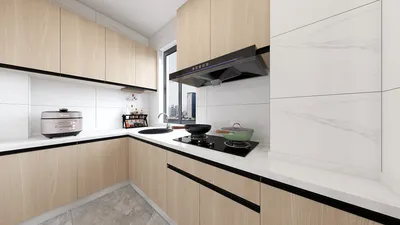


I view a pooja room as a sacred workspace where functionality takes precedence, followed closely by emotional resonance, and aesthetics serve the purpose of devotion. Selecting the appropriate photos of deities, considering their size, placement, and lighting, significantly influences your ability to feel focused, calm, and spiritually connected during rituals. In my designs, I emphasize respectful sightlines, glare-free lighting, and materials that gracefully age alongside incense and time, often utilizing tools like Homestyler for effective planning.
Making thoughtful design choices in a pooja room goes beyond mere style. The WELL v2 guidelines outline the importance of visual comfort and adequate lighting levels to minimize eye strain and foster a calm atmosphere for rituals. Task zones usually benefit from light levels of 150–300 lux with minimal glare, while focal points can be accentuated with higher lighting (WELL v2, Light concept). Research from Steelcase indicates a strong correlation between visual clarity, acoustic comfort, and reduced stress, enhancing the overall experience of devotional practices. These benchmarks help me fine-tune brightness, contrast, and the placement of sacred images with precision.
Choosing the Right Deity Images for Your Space
I start with a clear intention. Ask yourself whether this area is dedicated to a single ishta devata, a family of deities, or a collection of festival-specific images. A smaller selection of thoughtfully chosen images often promotes stronger focus. If you opt for various deities, maintain a clear visual hierarchy with one central image acting as the visual anchor and the supporting images arranged symmetrically or in a gentle ascending order to avoid visual chaos.
Optimal Placement and Orientation
Traditionally, pooja units are positioned so that the devotee faces east during prayers, with north being an acceptable alternative when facing east is impractical. Ensure that the central deity image’s focal point (eyes or crown) is positioned approximately 15–20 degrees below your natural eye line when seated on a low asana to promote a gentle visual angle and minimize neck strain. Avoid placing sacred images directly beneath stair treads, in high-traffic circulation areas, or behind doors where they may be unintentionally brushed against.
In space-challenged apartments, a dedicated niche or wall-mounted mandir can provide a sense of order. Before securing images, I assess clearances, kneeling space, and sightlines with a simple interior layout planner or room design visualization software like Homestyler to confirm adequate knee clearance, lamp positioning, and incense safety.
Scaling and Framing: Honoring the Image Size
The dimensions should complement the alcove or backdrop where they are displayed. Generally, allow the primary image to take up 60–70% of the altar width, while supporting images should occupy 40–50% of the primary image's width. Maintain a visual margin of at least 40–60 mm around frames so that decorative elements like garlands and lamps do not overwhelm the artwork. Frames made from untreated brass, teak, or matte black metal help minimize reflections and develop an appealing patina over time. Highly reflective frames should be avoided, as they can cause glare that distracts from the intended focal point.
Illuminating Sacred Images
A well-balanced, warm light creates an inviting ambiance in the pooja zone. Aim for a color temperature between 2700–3000K with a Color Rendering Index (CRI) of 90+ to ensure that colors like reds, marigolds, and metallic accents appear vibrant. Keep task lighting around 150–300 lux at reading level for mantras, while accent lighting on deity images should hover around 200–400 lux to establish a gentle hierarchy without harsh contrasts. I base my lighting decisions on the Illuminating Engineering Society’s guidelines focused on reducing glare and managing luminance ratios (IES standards).
Employ diffused LED strips along the mandir cornice to evenly wash the backdrop, complemented by one or two 15–25° spotlights for the main image, if the ceiling height permits. It is crucial to shield the light source from direct view to prevent glare—a common issue in compact spaces. Additionally, candle or diya flames create a beautiful effect against a matte or lightly textured backdrop while ensuring at least 150 mm clearance from flammable materials and a non-slip, heat-resistant base.
The Psychology of Color: Backdrops That Enhance Devotion
Color has a powerful impact on mood. Softer hues—such as gentle ivory, pale sandalwood, muted terracotta, or desaturated greens—minimize visual distractions and maintain focus on the deity. If adequate lighting is present, deep maroons or indigo can serve as effective accent colors for walls. Based on my observations, pairing a warm neutral backdrop with a contrasting halo panel, like teak veneer or hand-troweled lime plaster, effectively frames the deity image without overwhelming it. Resources on color psychology suggest that warm tones can uplift and energize, while cooler muted shades can foster a sense of contemplation (VerywellMind on color psychology).
Selecting Materials for Durability and Ritual Practice
Elements such as incense, oil, and flowers introduce moisture and fine particulate matter. It’s wise to choose finishes that are easy to clean, like sealed natural stone, dense wood varieties with oil finishes, or ceramic tiles for ledges. If opting for metal frames, select finishes like matte lacquer for brass or copper to slow down tarnishing while preserving tactile warmth. Delicate fabrics near lamps should be avoided, and washable cotton runners are preferable. A removable stainless or brass thali beneath diyas facilitates easy cleaning.
Vastu Considerations and Respecting Proportions
I honor local practices: ideally, orient the deity toward the west so the devotee faces east, or position the deity towards the east if the devotee faces west—select the arrangement that minimizes clutter and ensures a calm entry. Storage for matchboxes, incense, and prayer books should be discreetly placed below the altar line. The altar’s height should be between 750–900 mm for those who usually stand during aarti, and 450–600 mm for seated practices to maintain a comfortable viewing angle of the images.
Curating Images: Using Quality Photography, Prints, or Murals
My preference is for high-quality prints on archival paper with matte lamination, which are low-glare, color-accurate, and resistant to humidity. Hand-painted miniatures or Tanjore-style artwork provide a rich focal point. If you prefer photographs, choose ones with clear eyes and well-balanced contrast, steering clear of overexposed highlights on crowns and decorations. Consistency in the editions’ styles is vital; mixing hyper-realistic photos with flat-iconic prints can create a disjointed appearance unless intentionally arranged in a two-tier composition with a strong central anchor.
Layering Offerings Without Creating Clutter
I adopt a three-plane strategy: background (image and halo panel), mid-plane (a small shelf for lamps or flowers), and foreground (prayer mat or chowki). This design keeps offerings visible without obscuring the deity. Allocate a slim vertical niche for incense to prevent smoke from staining the imagery. If the pooja room also serves as a passageway, employing sliding lattice doors can define a tranquil moment while allowing for ventilation.
Acoustic Considerations for Serenity
Even a modest pooja zone can benefit from measures that absorb sound—thin cotton drapes, a jute runner, or an upholstered bench help to soften echoes and create an intimate atmosphere for prayers. Steelcase findings show that reducing ambient noise can lead to better focus; in my experience, a tranquil acoustic environment also stabilizes flame movement, making it feel more symbolic rather than chaotic.
Regular Maintenance and Image Rotation
Dust frames weekly with a soft brush, and use a microfiber cloth to wipe glass surfaces and avoid streaks that catch the light. Rotate flowers daily and artworks seasonally if you observe festival cycles. When rotating deity images, keep each stored in acid-free folders; introducing them again with seasonal garlands forms a living calendar without the need to acquire new pieces each time.
Key Mistakes to Avoid
Quick Planning Checklist
FAQ
Position the main image so the deity's eyes or crown are slightly below your natural eye level in your typical prayer stance. For standing aarti, this generally places the frame center about 1400–1500 mm from the ground; for seated prayers, position it lower to mitigate neck strain.
Common practice suggests orienting the space so the devotee faces east. When the architecture impedes this, select the quietest wall with the least glare and foot traffic. Ensure that the area remains respectful, avoiding locations under stairs or near restrooms whenever possible.
Maintain warm white lighting between 2700–3000K with a CRI of 90+ to preserve the vibrant colors of marigolds, kumkum, and metallic decorations. Task lighting should remain around 150–300 lux, while accent lighting for images can be in the 200–400 lux range to cultivate a comfortable focus that aligns with WELL v2 principles of light comfort.
If smoke or oil exposure is expected, opt for low-iron, matte or museum glass to diminish glare and protect the print. When reflections cannot be avoided, consider high-quality matte lamination instead of glass for the print.
A singular central deity image accompanied by one to three supporting images maintains a composed and readable altar. For those with more deities, rotating images seasonally helps prevent visual overload and retains respect for each representation.
Matte brass, teak, or powder-coated metal frames are durable and reduce reflections. While ornate bright-gold frames may be beautiful, they can also create glare unless carefully managed with appropriate lighting.
Position incense in a lower forward shelf or side niche to ensure smoke rises away from the image plane. Maintain a clearance of 150 mm from flammable surfaces and choose washable, non-porous materials for ledges.
Not necessarily. A concealed LED strip providing a soft wash of light on the backdrop, paired with one focused accent, may suffice. If ceiling height is limited, prioritize soft, diffused, glare-free lighting over sheer intensity.
Utilize a compact wall-mounted mandir with hidden storage, using an interior layout planner like Homestyler to ensure knee clearance and door swings avoid collisions with movement areas.
Lime plaster, teak veneer, or fine-textured paint in warm neutral tones offer a gentle halo effect without reflective disruptions. Avoid installing mirror panels directly behind the image as they can amplify visual clutter and detract from the target focus.

Nov Trending Search Model-Bookshelf 41

Nordic Simple Resin Ceiling Lights, Modern Flush
QEEIG Bathroom Shelves Over Toilet - Wall Mounted
Discover the creative possibilities with Homestyler, an exceptional online home design platform. Its user-friendly design tool, stunning 3D renderings, and a wealth of DIY video tutorials make it easy to bring your interior design dreams to life—perfect for any skill level!
지금 무료로 디자인하세요
































