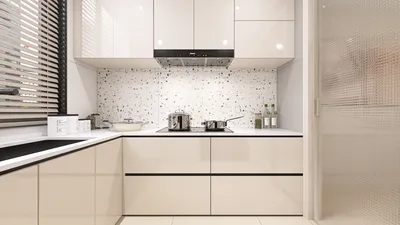


I have designed and constructed pooja rooms in various south-facing homes, taking into account diverse climates and cultural backgrounds. The fundamental components remain consistent: honoring traditional orientation, adjusting light and sound, and harmonizing materials and colors to foster a serene atmosphere. Even with a south-facing main entrance, an auspicious pooja room setup is achievable; simply integrate Vastu principles with measurable comfort standards to create a tranquil and grounded space.
When evaluating pooja room design through a human-centered perspective, managing light and sound is equally vital as the cardinal direction. According to WELL v2 guidelines, it's essential to ensure visual comfort by reducing direct glare and offering appropriate task lighting; general task areas usually function best with 300 to 500 lux, while accent lighting can be set lower to prevent glare (v2.wellcertified.com). Research conducted by Herman Miller indicates that minimizing background noise and controlling sound reverberation significantly improves perceived well-being and focus, essential for prayer and chanting (hermanmiller.com/research). These measurable factors can be incorporated into your Vastu-compliant room while maintaining traditional aesthetics.
Color also plays a crucial role in creating the right mood. According to insights from Verywell Mind, cooler shades like blue and soft green are known to alleviate stress and induce calmness, while warmer hues like muted gold evoke warmth and respect (verywellmind.com/color-psychology). It's important to combine this with ergonomic seating: whether you opt for a floor mat or a low asana stool, make sure to maintain neutral spine alignment and knee comfort. Careful consideration of light, sound absorption, and a restrained color palette can make Vastu principles feel more integrated into daily life rather than merely ceremonial.
Essential Vastu Orientation for South-Facing Homes
For the pooja room or altar placement, the northeast (Ishan) corner is ideal, even when your home boasts a south-facing entry. If the northeast is not available, the east or north sectors would be your next best options. Position the idol or sacred focus so that you can face east during prayers; the north can serve as a secondary direction. It’s advisable to avoid the southwest for primary worship as it typically accommodates heavier functions such as master bedrooms or storage areas, making the energy feel dense.
Lighting Environment: Illumination, Color Temperature, and Glare
I prioritize a layered approach to lighting: a soft ambient glow (about 200–300 lux), directed task lighting at the altar (300–500 lux), and warm accent lighting such as diyas for enhancing ritual ambiance. Maintain a color temperature between 2700–3000K during evening prayers for warmth and intimacy, while morning prayers can allow for 3000–3500K if there is ample natural light. To mitigate glaring points, shield exposed LEDs and employ frosted diffusers or lantern-style enclosures. For metallic finishes on your altar, angle the lighting to avoid bright reflections on brass or gold surfaces.
Sound Comfort: Quietness, Reverberation Control, and Clarity in Chanting
A pooja room thrives on minimal background noise and controlled sound reverberation. I prefer using a variety of surfaces—soft rugs, fabric wall hangings, and wooden ceiling panels—to lessen echo without completely dampening chant resonance. If your pooja room shares a wall with a bustling corridor, consider incorporating a double-layer gypsum wall with mineral wool insulation. Also, conceal a small, quiet fan or HVAC ducts with acoustic baffles to prevent distracting sounds. This cultivates a soothing environment where bells and mantras resonate clearly without harsh reflectiveness.
Materials and Finishes: Purity, Upkeep, and Sustainability
Natural materials are best suited for ritual spaces, including hand-crafted wood, stone such as marble or Kota, and breathable lime-based paint. It's wise to seal marble in areas near oil lamps to avert staining and select low-VOC finishes to ensure better indoor air quality. Extremely glossy floors beneath diyas should be avoided; a honed surface is safer and helps reduce glare. If daily use of incense is part of your practice, consider adding a discreet ventilation system or operable window nearby to mitigate any residual particles.
Spatial Ratios and Visual Equilibrium
Proportion is key in spatial design. I prefer an altar wall that occupies 30–40% of its width, complemented with symmetrical shelving for idols and puja items. Ensure a minimum depth of 900–1000 mm is allocated for kneeling or seated prayers. Keep vertical aspects uncluttered; the main idol should be positioned at eye level when seated, with smaller deities or yantras arranged neatly either below or alongside. Avoid overcrowding the space; allow for natural sightlines that settle peacefully at a central focal point.
Entrance and Flow within a South-Facing Home
With a south-facing main door, it's important to position the pooja room ideally towards the northeast or east part of the overall layout. Keep the entrance modest and aligned with a clean axis—preferably an east-facing door that allows for a seamless transition towards the altar. If space is limited, explore options using a room layout tool like Homestyler to evaluate approach paths, seating arrangements, and door swing considerations for comfort.
Storage Solutions, Ritual Utilities, and Fire Safety
Incorporate concealed storage for incense, kumkum, matchboxes, and cloths. Provide a fire-safe area for diyas that includes a non-combustible tray and a low, shielded mantle above. It’s also wise to position electrical outlets away from the altar, ideally to the side, featuring surge protection for any lamps or speakers. Keeping a small basin just outside the room for daily rites will help maintain dryness and readiness for rituals.
Color Psychology and Symbolic Elements
Establish the color palette using calming neutrals such as soft cream, sand, or dove gray, and then infuse sanctity with muted saffron textiles, deep maroon runners, or pale gold accents. Blues and greens can help alleviate stress; thus use them judiciously in prayer-related textiles or wall niches to maintain warmth in the space. Metallic finishes work best when brushed to minimize glare, though polished brass can be stunning if light is carefully managed.
Managing Daylight and Shade
Natural east light is optimal for morning practices. Utilize sheer blinds or jali screens to diffuse direct sunlight and prevent glaring spots across polished idols. In cases where the pooja room lacks windows, ensure a consistent circadian rhythm with warm lighting in the evening and cooler tones during the day. A dimmer switch can be advantageous for transitioning effortlessly from preparation to meditation.
Ergonomics of Seating and Ritual Posture
Offer firm floor mats with slight cushioning for comfort. If kneeling is uncomfortable, a low stool (250–350 mm in height) can help maintain a neutral spine. Consider setting the altar platform height between 750–900 mm for easy accessibility during aarti. Ensure that edges are rounded to prevent snags on garments and provide gentle tactile feedback during use.
Scent, Ventilation, and Maintenance
Position incense holders away from direct airflow to minimize ash dispersion. Ensure smoke can vent outdoors through an operable window or a low-noise exhaust fan. Store oils and ghee in airtight containers; wipe down surfaces post-ritual to prevent residue accumulation. A small brass or copper urn for flowers can help retain water and prevent stains on surrounding areas.
Guidelines for South-Facing Homes
Do prioritize the pooja room in the northeast or east sections whenever possible, face east during prayers, and keep the altar area uncluttered. Do implement warm, low-glare lighting and sound dampening methods. Avoid placing the altar underneath staircases or near a toilet wall, and refrain from combining heavy storage above the shrine or positioning noisy equipment nearby. Maintain a respectful quiet adjacency; bedrooms and study areas typically complement one another better than kitchens or laundry spaces.
Typical Layout Scenarios and Adjustments
For small apartments: create a recessed niche along the northeast wall equipped with sliding tambour doors and integrated storage beneath. For larger homes: set aside a compact room featuring a balanced axis and a clearly defined prayer area; utilize an interior layout planner like Homestyler to ensure good clearance during circulation.
Frequently Asked Questions
Q1: Is it feasible for a pooja room to be located in the northeast part of a south-facing house?
A1: Absolutely—northeast remains the optimal zone regardless of the orientation of the main entrance. Ensure you face east while praying to align with traditional practices.
Q2: What are the recommended lighting levels for pooja rooms?
A2: Aim for about 200–300 lux of ambient light and 300–500 lux for task illumination at the altar. Maintain warm color temperatures (2700–3000K) to enhance serene focus, aligning with the visual comfort guidelines prescribed in WELL v2.
Q3: How can I minimize glare from diyas and brass idols?
A3: Consider using frosted diffusers, positioning accent lights at angles, and selecting brushed metal finishes. Recessing the diya niche slightly can also shield direct flame visibility.
Q4: Does having a south-facing main door negatively impact pooja practices?
A4: Not necessarily. Focus on positioning the pooja room within the northeast or east sector and maintaining a serene environment. The orientation of prayer, facing east, tends to have greater significance than that of the entry direction.
Q5: What are the best materials to use?
A5: Favor natural materials like wood, stone (such as marble or Kota), lime-based paints, and low-VOC finishes. Choose honed surfaces for floors near lamps to ensure safety and minimize glare.
Q6: What strategies can I implement for sound management?
A6: Incorporate both soft and rigid surfaces—such as rugs, fabric wall panels, and timber elements—along with insulation for noisy walls. Keep mechanical systems quiet; a low-noise exhaust or baffle can enhance tranquility.
Q7: Are there ergonomic suggestions for elderly users?
A7: Provide a low stool (approximately 250–350 mm high), ensure the altar’s reach is comfortable (750–900 mm height), and use firm mats to support the knees. Maintain clear and organized paths for easy movement.
Q8: Is it acceptable to incorporate technology such as speakers or smart lighting?
A8: Yes—conceal cables, utilize dimmable warm LEDs, and opt for quiet speakers. Position outlets away from the altar and keep controls straightforward to prevent distractions during prayer.
Q9: What color schemes are best for promoting serenity?
A9: Use a base of soft neutrals paired with accents of muted saffron or gold to evoke reverence; integrate gentle blues or greens sparingly into prayer textiles or wall niches to maintain warmth.
Q10: How can I effectively deal with incense smoke?
A10: Ensure proper ventilation through an operable window or low-noise exhaust, utilize ash trays for disposal, and store incense in airtight containers. Wipe surfaces clean after rituals to avoid buildup.
Q11: Where should I position storage solutions?
A11: Utilize drawers beneath the altar or side cabinets with concealed mechanisms. Steer clear of bulky overhead storage above the shrine to keep the vertical area light and respectful.
Q12: What if the northeast sector is not available for placement?
A12: Utilize east or north zones, maintain clean lines and acoustic balance, ensuring that a well-composed room in an acceptable sector outweighs a compromised space positioned in the southwest.


Homestyler is your go-to online home design platform, perfect for both beginners and seasoned designers. With its user-friendly design tool, stunning 3D renderings, diverse design projects, and helpful video tutorials, you can effortlessly create your dream home just the way you envision it!
Design jetzt kostenlos
































