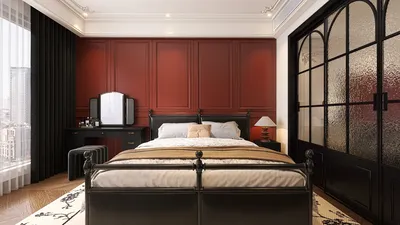


At one point, I worked with a pastor who aimed to create an office atmosphere that resembled a cozy living room, a functional study, and a supportive counseling area all in one. He even wanted a designated corner for a sleeping cot, just in case he needed to rest. This unique challenge taught me how to prioritize tranquility and practicality within limited ministry settings. If you aim to design a multi-purpose church office, crafting a clear layout plan can save you countless hours and numerous late-night trips to the hardware store, especially when using smart tools like Homestyler.
1. Establish a Warm Entry Area
My first step always revolves around the visitor experience — the moment someone steps inside should convey, "You’re welcome here." A small bench or a couple of comfortable chairs, combined with a warm lamp and an inviting rug, can create a welcoming atmosphere without consuming too much space. The trade-off is that you might sacrifice floor area for comfort, so I recommend using slim, multifunctional furniture — a storage bench can be a game-changer in these settings.
save pin
2. Designate a Focused Desk Area
Your desk acts as the office's central hub: position it so you can maintain eye contact with visitors while having your back against a wall for better focus. I prefer desks equipped with built-in cable management and a modesty panel — it presents a neat appearance for meetings and minimizes distractions during video calls. Balancing the need for privacy during counseling sessions and access to natural light can be tricky; a sheer curtain or frosted film on nearby windows offers a soft compromise.
save pin
3. Create a Versatile Meeting Space
Your office needs to cater to various functions, including small group meetings, one-on-one counseling, and casual youth gatherings. I suggest using foldable chairs that can be easily stored away, a small round table for intimate discussions, and wall hooks for coats and bags. When clients seek quick layout mockups, I demonstrate how AI-driven design tools, like Homestyler, can expedite their decision-making and help visualize different setups before making purchases. This digital preview often reduces the likelihood of returns and second-guessing. To complement the tech aspect, I also include fabric samples and perform real-world lighting evaluations.
save pin
4. Intelligent Storage for Sacred Items
A church office typically contains not just paperwork but also hymnals, communion supplies, and personal belongings — it’s essential to conceal what needs concealing while showcasing comforting items. Tall cabinets with adjustable shelves and labeled baskets enable easy access to everything. My practical suggestion: designate a visible shelf for community items (like a Bible, a guest book, or a rotating devotional), while keeping a secure cabinet for sensitive documents; this approach maintains order and humility. Although custom cabinetry might inflate expenses, modular units offer a similar aesthetic on a budget.
save pin
5. Implement a Soothing Color Scheme and Thoughtful Art
The colors you choose set moods more swiftly than furniture can. I often opt for soft neutrals paired with one accent color drawn from church branding or stained glass. A single meaningful piece of art displayed at eye level can make a significant impact, while minimizing wall clutter is essential for a contemplative atmosphere. When clients wish to ensure their choices resonate well, I recommend generating high-quality 3D renderings to visualize finishes and lighting conditions; this kind of realism helps obtain collective agreement before painting begins.
save pin
Tips 1:
Always measure twice and purchase once. Additionally, ensure to test rug and paint samples in the actual office lighting. Carrying a small kit with quick-fix items (like command strips, felt pads, and a small level) has proven invaluable during late-night installations. If budget constraints exist, I suggest focusing initially on seating and lighting; they provide the most significant psychological uplift for minimal expense.
save pin
FAQ
Q1: What color schemes work best for a pastor’s office? Soft neutrals combined with a single calming accent color tend to be the most effective; they foster concentration and warmth. It’s best to avoid overly vibrant or trendy colors to prevent quickly dated aesthetics or overstimulation during counseling sessions.
Q2: How can I create an illusion of space in a small office? Utilize vertical storage solutions, strategically placed mirrors (but avoid placing them directly opposing a prayer area), and consistent flooring to foster a sense of flow. Ensure that furniture is appropriately scaled and that circulation paths remain clear.
Q3: What lighting arrangement do you recommend? A layered lighting approach — combining ambient overhead light, a cozy desk lamp for reading, and a soft floor lamp near seating for counseling — creates both a flexible and comforting environment. Dimmable lighting can assist in transitioning from administrative tasks to reflective meetings.
Q4: How to balance professionalism with a homely touch in the office? Blend organized storage and a tidy desk with personal elements: a few textiles, a meaningful artwork, and a plant. This balance will create an inviting atmosphere while maintaining a professional appearance for meetings and recordings.
Q5: Are there any accessibility features to consider? Absolutely — ensure clear pathways, seating at appropriate heights, and unobstructed sightlines for those who are hearing impaired. If feasible, include an area that accommodates wheelchairs and non-slip rugs to minimize trip hazards.
Q6: Can technology and intimacy coexist in the office? Definitely — position screens away from primary seating areas so they are accessible for presentations without dominating conversations. Wireless charging stations and concealed cables can contribute to a visually tidy environment while keeping functionality intact.
Q7: Where can I find resources regarding church office design norms? The American Institute of Architects (AIA) and similar organizations provide valuable guidelines for designing worship and community spaces; consulting their materials can aid in understanding ergonomics, accessibility, and safety best practices (American Institute of Architects).
Q8: How should I allocate my budget for refreshing a pastor's office? Begin with key priorities: seating, lighting, and storage; allocate roughly 50% of your budget to these aspects, 30% towards finishes and textiles, and 20% for decorative details. Phasing the project effectively allows you to spread costs while progressively enhancing functionality.
save pin
Discover your design potential with Homestyler! This user-friendly online platform offers a powerful design tool, stunning 3D renderings, and a plethora of inspiring projects and video tutorials. Whether you're a beginner or a seasoned pro, Homestyler makes it easy to create your dream space!
Design Now for FREE
































