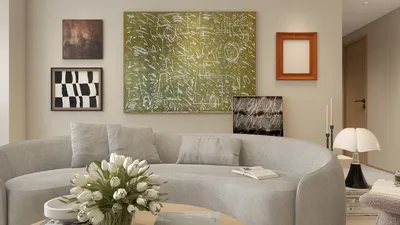


Creating a modern mandir within your living room can elevate the space while maintaining a serene atmosphere. I envision it as a gentle architectural interlude characterized by harmonious lighting, tactile materials, and unobstructed pathways, ensuring that the altar serves as a calming focal point. Recent research in workplace and residential settings suggests that people thrive in environments that offer layered lighting and minimized glare. The WELL v2 standard underscores the need for visual comfort and circadian-friendly illumination, essential for supporting mental well-being. Steelcase's findings further reveal that carefully lit spaces with designated purpose areas can lessen cognitive stress, harmonizing perfectly with the idea of a dedicated prayer or meditation space using tools like Homestyler for optimal layout visualization.
Two essential guidelines shape my approach to lighting and spatial layout. Firstly, I target an ambient light level of approximately 100–300 lux in the seating area and aim for 300–500 lux concentrated on the mandir or deity area. This aligns with standard IES recommendations, ensuring clarity without harshness. Secondly, I apply the WELL v2's principles of glare reduction and even luminance—favoring matte surfaces and diffused lighting surrounding reflective elements—to enhance visibility for rituals while ensuring a visually comfortable experience. Observing these guidelines makes worship areas noticeably soothing, especially when harsh overhead lighting is avoided around reflective idols.
Defining the Mandir’s Position in the Living Space
Placement is crucial in designing the mandir area. I recommend positioning it against a wall or within an integrated cabinet, away from high-traffic zones. It's essential to maintain a clear circulation space of about 900–1000 mm in front for kneeling or sitting during prayers. When the living room serves as an entertainment area, orient the mandir away from the TV to minimize visual distractions. In compact living spaces, a corner mandir with a full-height panel can create a subtle division. Tools like Homestyler can be used for planning and quickly visualizing various layouts to test proportions and sightlines.
Light: Soft, Layered, and Respectful
To achieve the desired ambiance, use three distinct lighting layers: (1) ambient ceiling or wall wash for mood setting; (2) hidden cove or backlit panels to accentuate the deity; and (3) a gentle accent light to highlight textures like stone or wood carvings. Opt for a color temperature range of 2700K to 3000K for a warm atmosphere, only adjusting to 3500K if your aesthetic leans towards cooler tones. Dimmable drivers are essential for evening rituals, allowing the flame to stand as a principal source of illumination. Proper fixture placement avoids harsh reflections on metallic surfaces; often, a soft wash from above the lintel proves more effective than centered downlights. For glare mitigation and visual comfort, refer to the WELL v2 lighting quality guidelines at wellcertified.com.
Material Selection: Pure, Tactile, and Easy to Maintain
The choice of materials greatly impacts acoustics, upkeep, and symbolism. I prefer warm options like oiled oak or ash, rhythmically patterned solid wood or MDF, and honed marble—such as Makrana, Carrara, or Thassos—for the plinth or backdrop. Honed finishes minimize glare and hide fingerprints effectively. If incense or oil lamps are used, select easy-to-clean quartz or stone surfaces, complemented by a discreet stainless steel drip tray. For a contemporary touch, combine matte brass accents with linen-textured laminates or microcement. It’s best to avoid busy-veined materials if your idols are intricately detailed; prioritize visual focus on the deity rather than its backdrop.
Harnessing Color Psychology for Tranquility and Focus
Color can significantly influence the emotional tone of a space. Soft neutral shades such as bone, warm gray, and muted sand establish a contemplative atmosphere. If you enjoy color, consider adding it within an inner niche using shades like terracotta, saffron, or muted teal, which are often linked to warmth and spirituality. According to Verywell Mind's insights on color psychology, warm colors tend to invigorate, while blues and greens instill calmness; in the context of the mandir, I prefer to keep saturation levels subdued to foster a serene environment.
Joinery and Storage Solutions: Discreet and Ritual-Ready
For daily rituals, thoughtful storage solutions are vital. Integrate concealed drawers to hold incense, matches, bells, and textiles. If scriptures are displayed, safeguard them behind ribbed glass or perforated wooden doors. A shallow ledge (60–90 mm) in front of the deity can accommodate lamps while preserving circulation space. Proper cable management for backlighting should be coordinated with a maintenance hatch, as ritual spaces warrant the same meticulousness as a modern kitchen.
Ensuring Privacy with Doors and Screens
Consider using sliding lattice doors or reeded glass panels to adjust visibility. In compact apartments, a pocket door that can be closed during rituals enhances privacy and mitigates visual distraction from the living area. For a contemporary alternative, perforated metal with a powder-coated finish is an excellent choice, allowing for ventilation post-incense use.
The Importance of Acoustic Comfort
To better resonate the sounds of small bells and chants, controlled acoustics are essential. Introduce fabric wall panels or a low upholstered bench across from the mandir to soften reverberation. A plush rug placed in the adjacent seating area will help further diminish echoes, ensuring the sound remains warm rather than harsh.
Proportionality, Rhythm, and Visual Harmony
Use a third-based thinking approach for balanced visuals. A comfortable proportion follows a 1:1:0.5 ratio for the base, idol zone, and upper frieze or baffle. For instance, if the idol stands at 300 mm, a niche width of 600–700 mm will generally appear balanced. Vertical rhythms—achieved through fluting, batten spacing, or step details—should draw the eye upward toward the idol. Always choose decorative objects in odd-numbered sets (1 or 3) to reduce the cluttered appearance.
Contemporary Details That Convey Sacredness
- Concealed LED cove lighting behind a pierced stone or CNC-crafted wood panel, creating a soft halo effect.
- A floating plinth with a recessed shadow gap for a levitating visual catch.
- A slender brass inlay marking the periphery of the niche—a nod to traditional borders with a modern twist.
- An incense drawer with an integrated ash catcher and ceramic insert, simplifying cleaning tasks.
- A motion-sensor low-level nightlight (very dim) to illuminate the path during early morning rituals.
Safety Considerations for Diyas and Incense
Ensure a clearance of 200–300 mm above open flames. If pets or children are present, consider using tempered glass hurricane shades. Always maintain at least 300 mm distance between any flammable decorative items and lamps. Providing a small lidded metal container for used matchsticks can contribute to overall safety.
Applying Vastu Principles in Modern Spaces
For those adhering to Vastu, a northeast orientation (Ishan) is preferred. However, for smaller homes where this isn't feasible, prioritize a clean environment, good airflow, and high-quality lighting. A peaceful, well-maintained altar used daily holds more significance than a perfectly oriented one that may appear cluttered visually.
Creative Solutions for Small Spaces
- A wall-mounted mandir box featuring a foldable aarti shelf.
- A corner niche with a curved back panel that conserves space while feeling expansive.
- A full-height cabinet with pocket doors that open revealing the altar during rituals, with storage underneath for media.
- Leverage an interior layout planner to visualize clearances and sightlines effectively: interior layout planner.
Insights from Recent Projects
In a 14-foot wide living space, I installed a 1.1 m wide mandir against an end wall, encased in fluted oak with a honed white quartz backdrop. We employed 3000K cove lighting dimmed to 30% for evenings, complemented by a patterned, perforated metal screen to shield the altar from the TV. The outcome was a softly illuminated presence that naturally drew family members to it after a long day at work.
Long-Term Maintenance and Durability
Choose materials that age gracefully, such as oil-rubbed wood which can be refreshed annually. Steer clear of high-gloss finishes near flames or oils. When selecting LED strips, aim for a CRI of 90+ to ensure that the colors of textiles and flowers appear vibrant and true. Adequate ventilation after incense use is necessary to prevent residue build-up on stone and metal surfaces.
- Placement should avoid the TV line of sight with 900–1000 mm clearance in front.
- Lighting color temperature should range from 2700K to 3000K, with 300–500 lux at the backdrop, and must be dimmable.
- Material choices should include honed stone, matte wood, and metal surfaces that are easy to clean.
- Storage solutions ought to incorporate concealed drawers and cable-managed backlighting.
- Safety considerations include maintaining flame clearance and using tempered glass shades if necessary.
- Acoustics can be managed through textiles or upholstered benches to achieve softer sound quality.
- Proportion should follow the 1:1:0.5 vertical ratio guideline.
Common Questions
Q1. What lighting temperature is ideal for a living room mandir?
A1. I recommend a temperature range of 2700–3000K for warmth and tranquility, coupled with dimming options for evening rituals. Ensure backdrop levels are around 300–500 lux to maximize clarity without glare.
Q2. How can I minimize glare on metallic idols?
A2. Employ matte finishes surrounding the mandir and use wall washes or concealed cove lighting instead of direct downlights. The glare reduction guidelines from WELL v2 support the use of diffused, balanced lighting.
Q3. Which materials hold up best when using oil lamps and incense?
A3. Opt for honed stone (either quartz or marble) for shelves, matte wood for cabinets, and consider a stainless or ceramic insert for catching residue beneath the lamp. Avoid high-gloss finishes near flames.
Q4. Is it possible to incorporate the mandir into a media wall?
A4. Absolutely—use pocket or lattice doors to segregate functions, orient the altar away from the TV, and add acoustic softening elements to maintain a calm soundscape around the altar.
Q5. How much space should be allocated in front of the mandir?
A5. Aim for approximately 900–1000 mm of clear space for kneeling or seated prayers, ensuring at least 600 mm in particularly tight areas.
Q6. What color schemes are most appropriate?
A6. A base of neutral tones (warm grey or bone) paired with subdued accents in the niche—like terracotta, saffron, or teal—keeps the focus on the deity while preserving serenity, reflecting color psychology principles regarding warm versus cool shades.
Q7. How can I ensure the space is safe for children and pets?
A7. Maintain a clearance of 200–300 mm above flames, use tempered glass shades for protection, store matches in a lidded metal container, and secure all cabling behind closed panels.
Q8. What should I do if I can’t position the mandir in the northeast?
A8. Focus on maintaining cleanliness, frequent usage, and quality lighting. A thoughtfully arranged and softly lit altar nurtures a sacred vibe, irrespective of its orientation.
Q9. Are warm or cool metals preferable?
A9. Utilize warm metals like brass that offer a blend of traditional and contemporary aesthetics with matte finishes. Balance these with cooler stone elements to prevent visual heaviness.
Q10. How can I manage incense smoke staining?
A10. Use ventilated doors or perforated screens, clean stone surfaces weekly, and employ ceramic inserts to catch any residue from incense sticks or lamps.
Q11. What CRI rating is necessary for LED strips?
A11. Opt for strips that offer a CRI of 90+, ensuring that the colors of fabrics and flowers appear vivid and true, contributing to the overall reverence of the niche.
Q12. Any advice for rental spaces?
A12. Consider a freestanding mandir cabinet that utilizes plug-in, dimmable LED tape, command-fixed artwork, and a removable rug to enhance acoustics without making permanent modifications.
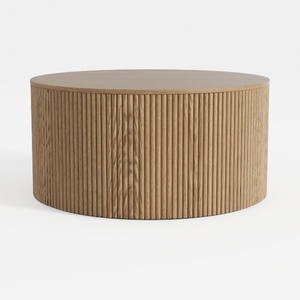
Minimalist Fluted Solid Oak Round Coffee Table 3D Model
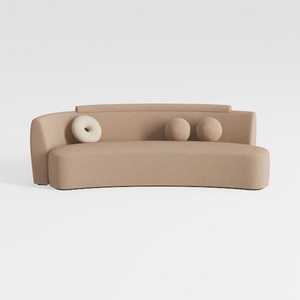

Yozma Curved Chenille Sectional Sofa Beige, Dual D

Minimalist Solid Wood Fabric L Shape Sectional Sofa 3D Model
Homestyler is your go-to online platform for effortless home design. With an intuitive design tool, stunning 3D renderings, and a wealth of DIY video tutorials, you can easily create beautiful spaces, no matter your experience level. Transform your ideas into reality with Homestyler!
立即免费设计
































