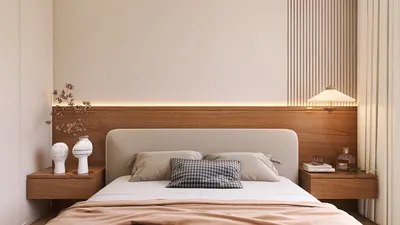


Creating a modern Amirthavalli Hall requires a thoughtful integration of cultural heritage, adaptable spaces, and adherence to contemporary building standards. My design philosophy emphasizes the importance of rituals and community gatherings while thoughtfully incorporating aspects like lighting, acoustics, circulation, and material usage. This ensures that the hall not only serves as a central gathering place but also as a location that is ready for diverse events, seamlessly achieved with tools like Homestyler for spatial visualization.
Performance metrics are crucial in my design approach. The WELL v2 framework suggests that ambient sound levels should remain below 40 dBA to enhance focus and clarity of speech, while optimal lighting conditions recommend a glare-free environment with circadian-friendly illumination in the 2700–5000K spectrum, tailored according to the function. According to Steelcase’s insights, spaces that accommodate flexible postures and movement not only boost cognitive performance but also alleviate physical strain—this principle informs my layout of seating and transitional areas to enhance comfort during lengthy ceremonies.
When dealing with events expected to draw large crowds, I consult the Illuminating Engineering Society (IES) guidelines for general assembly setups, advocating for lighting levels between 300–500 lux in multipurpose spaces, and raising that to 750–1000 lux at spots where detailed visual tasks or live broadcasting are involved. Such considerations are essential in halls that shift from devotional use to cultural activities, workshops, or weddings. To ensure dynamics in use, I evaluate seating arrangements and line of sight utilizing technology like room layout tools, including Homestyler for planning.
Spatial Planning: Flow of Movement and Unobstructed Views
I strategically map out processional paths leading from entry points to the sanctum or stage, maintaining a 1:3 ratio between the primary aisle width and the depth of seating. This design choice facilitates smooth movement while retaining visual engagement. Aisle sizes of 2.0–2.4 meters allow for bi-directional traffic, while secondary aisles of 1.2–1.5 meters ensure quick access to facilities. The seating layout employs a gentle slope or staggered arrangement, providing at least a 12° vertical viewing angle towards focal points, minimizing direct overlap of sightlines by adjusting row positions by 150–200 mm.
Illumination Strategy: Diverse Lighting and Glare Reduction
The hall benefits from a multi-layered lighting strategy that includes ambient, accent, and task lighting tailored for ceremonies, educational sessions, and performances. Ambient lighting, with levels of 350–450 lux, encourages mingling and movement, while accent lighting with beam spreads of 15–25° highlights cultural designs, altars, or proscenium features. Task lighting around the lectern or ritual spaces can reach up to 750–1000 lux with a high color rendering index (CRI 90+) to maintain the vibrancy of fabrics, flowers, and skin tones. For different events, I select warm white (2700–3000K) for devotional settings and neutral (3500–4000K) for versatile functions, with cool whites (4000–5000K) aiding in daytime productivity. Utilizing baffles, microprismatic diffusers, and controlled glare cutoffs, I comply with lighting guidelines from ies.org/standards and WELL to optimize the visual comfort of the space.
Acoustic Effectiveness: Ensuring Clarity and Minimizing Echo
Achieving clear speech relies on an optimal reverberation time (RT60) of around 1.0–1.4 seconds in medium-sized halls. I incorporate a mix of broadband sound absorbers (NRC 0.7–0.9) on rear walls and ceilings while utilizing diffusers on sidewalls, preserving a lively sound field that remains intelligible. Textiles like carpets or modular area rugs placed under seating can help dampen noise from foot traffic, while fabric-wrapped panels positioned behind the stage prevent echo effects. For events with amplification, I ensure that the Speech Transmission Index (STI) is at least 0.6 while controlling ambient sound levels to a background noise criteria (NC) of 25–30. The mechanical systems include lined ductwork and variable-speed fans to minimize tonal noise.
Color Influence: Tranquil Shades and Revered Highlights
The strategic use of color can evoke specific emotions and facilitate movement within the hall. Calm neutrals such as warm sands, gentle ivories, and soft stone grays establish a serene backdrop, while accent colors—like marigold, vibrant vermilion, or deep teal—highlight sacred or focal points without overwhelming the viewer. Insights from Verywell Mind illustrate how warm hues energize and encourage social interaction, whereas cooler tones foster calm; I integrate both to guide attendees through the hall’s journey from arrival to focus and reflection.
Seating Comfort and Ergonomics: Sustaining Comfort for Extended Use
The design of seating modules takes into consideration human ergonomics with dimensions of seat height ranging from 450–480 mm and seat width from 480–520 mm, complemented by lumbar support that promotes a neutral posture. Arm rests at aisle positions assist elderly guests in transitioning from seated to standing. The generous row pitch of 850–900 mm facilitates legroom during prolonged ceremonies. Additionally, I position quiet benches near the perimeter for individuals requiring a break or nursing space. Flexible seating arrangements allow the hall to transition smoothly to configurations suitable for banquets or classrooms, enhanced by quick-change dollies and organized storage systems—possibly aided by design tools like Homestyler.
Adaptable Floor Plans: Zones Designed for Versatility
The hall is organized into three distinct functional zones: the focal area (stage/sanctum, occupying 20–25% of the floor space), the congregation area (seating, covering 55–60%), and the support zone (entrance, cloakroom, audiovisual, greenroom, and storage, making up 15–20%). Mobile partitions with an STC rating of 40–45 create adaptable rehearsal or workshop environments without the need for permanent walls. While exploring alternative arrangements for banquets, theatres, or classrooms, I simulate foot traffic, emergency egress, and service pathways utilizing layout visualization tools like those provided by Homestyler.
Material Choices and Sustainability: Resilient, Easy to Maintain, and Authentic
The materials selected must withstand heavy use and regular cleaning. I prioritize low-VOC finishes, FSC-certified wood for structural components, and mineral-based paints for their stability. The upholstery is chosen for its bleach-cleanable properties and its high durability for everyday use; natural stone or terrazzo is selected for high-traffic areas, while rubber or linoleum provides a comfortable surface in transit routes. Use of LED lighting fixtures with dimmable options enhances energy efficiency, while extensive daylight harvesting through effective glazing and shading measures helps regulate interior temperature and lighting levels.
Lighting Control and Technology Integration
The design incorporates scene-based control systems that allow transitions from ritual to educational to performance settings with a single touch. I install control panels at the audiovisual booth and near the stage, as well as wall stations at entry points for quick adjustments. Through networked DMX or DALI connections, theatrical and architectural lighting systems are unified for a seamless experience. Additionally, I ensure that the audiovisual racks and cable pathways remain acoustically isolated, contributing to a cleaner visual experience in the hall. For streams, camera setups are strategically planned at a 30–35° angle over the audience, avoiding direct shots of attendees during sacred segments.
Circulation, Entry Points, and Navigation
Entryways should evoke a sense of ceremony while being welcoming. I design a compressed vestibule (2.0–2.5 meters deep) leading into a more spacious area to enhance the arrival experience. Wayfinding merges bilingual signage, visual icons, and discrete floor patterns to support intuitive movement without overwhelming cues. Maintaining slip resistance (with a wet pendulum rating ≥ P3) and rounded edges on steps ensures accessibility for elderly individuals or those barefoot. If a mezzanine exists, safeguarding is achieved with balustrades at a height of 1100 mm with visual accessibility that does not hinder views.
Cultural Aspects: Weaving Heritage into Design
Amirthavalli Halls often celebrate heritage through intricate design elements like icon panels, kolam patterns, or traditional brass lighting. I prefer using motifs as evolving elements—incorporating laser-cut screens, artisanal lintels, or fabric banners—allowing for periodic updates while retaining cultural significance. Soft, low-glare lighting over these features ensures the materials are protected while maintaining a sense of reverence in the space.
Outdoor Areas and Entrances: Enhancing the Experience
Exterior public spaces function as overflow areas on busy days. I integrate shade trees, permeable paving, and seating options to create inviting social settings. The entrance, sheltered from the elements with a clearance of 2.4–3.0 meters, facilitates waiting and ritualistic preparations. Including water stations and a designated area for shoe storage within a ventilated corridor helps uphold the dignity of the main hall.
Operational Efficiency and Upkeep
Smooth operations within the facility depend on well-organized storage solutions and spacious service pathways, along with easy-to-clean surfaces in high-contact areas. I ensure that seating stacks are clearly labeled, wall surfaces are protected with dado rails, and I specify discrete floor boxes to support versatile power arrangements. The inclusion of removable aisle runners facilitates quick post-event cleanup while preserving acoustic performance.
Frequently Asked Questions
For spaces designed for multiple purposes, aim for ambient lighting levels of 300–500 lux, increasing to 750–1000 lux at the stage or speaking areas. Utilize high CRI (90+) sources alongside glare control to achieve comfort and accurate color representation.
A warm white color temperature (2700–3000K) enhances the spirituality of the setting; neutral temperatures (3500–4000K) cater to presentations and workshops; cooler temperatures (4000–5000K) assist in sustaining alertness during the day.
For optimal RT60 around 1.0–1.4 seconds, use a combination of sound-absorbing materials on rear and ceiling structures paired with side wall diffusion, while also managing background noise to maintain an NC of 25–30 for clear sound amplification.
Make sure seating specifications include heights of 450–480 mm, widths of 480–520 mm, and a row pitch of 850–900 mm, combined with lumbar support. Aisle seats should have arm rests to assist guests during transitions.
Employ adaptable seating banks, moveable partitions (with STC ratings of 40–45), efficient labeling for storage, and pre-tested electrical layouts. Utilize interior layout planners for traffic simulations and egress assessments.
Select low-VOC paints, FSC-certified wood, stone or terrazzo flooring and easy-to-clean textiles boasting high durability. Consider rubber or linoleum for comfort in active circulation pathways.
Aim for an STI of at least 0.6 for speech clarity. Keep ambient sound levels within 35–40 dBA. Use lined ducts and variable speed systems to minimize mechanical acoustic disturbances.
Implement motifs as layered, changeable components—such as screens, banners, or artistic carvings—illuminated with warm, dimmable lights. Avoid rigid, heavy ornamentation that could inhibit future design flexibility.
The WELL v2 framework provides recommendations on lighting and acoustic comfort, while IES Standards guide illuminance levels, glare management, and visual performance needs, helping to balance ambiance with functionality.
Control systems should be placed within the AV booth, near stage entrances, and main entryways for instant adjustments. Integrate DMX or DALI technologies to harmonize both theatrical and architectural lighting aspects for cohesive transitions.
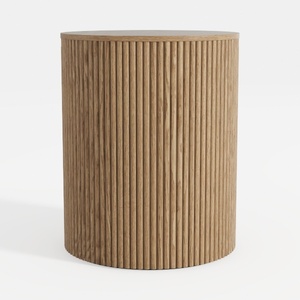
Minimalist Fluted Oak Round Side Table 3D Model
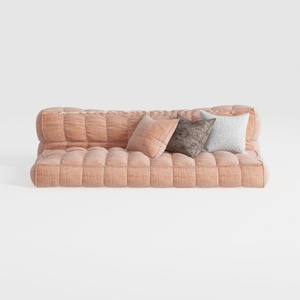

Minimalist Blush Fabric Tufted Contemporary Sofa 3D Model
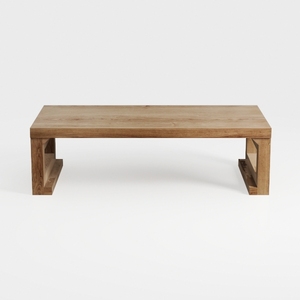
Bed Table Bed Desk Living Room Simple and Creative
Discover your inner designer with Homestyler! This user-friendly online platform offers a powerful design tool, stunning 3D renderings, and a wealth of DIY video tutorials. Whether you're starting from scratch or refreshing your space, Homestyler makes home design fun and accessible for everyone!
立即免费设计
































