

A hall soaring to 40 meters can evoke both excitement and a sense of challenge. Such grandeur necessitates precise attention to proportionality, thoughtfully layered lighting, acoustic design, and seamless movement planning to ensure visitors feel oriented and at ease instead of overwhelmed. In expansive interiors, achieving perceived harmony typically arises from consistent spatial ratios, clear edges, and gradual focal points that connect monumental spaces to human dimensions. Through numerous civic and corporate initiatives, I've discovered that effective design should consider three scales simultaneously: the overall area (40m), the mid-range space (8–12m), and the human level (0–3m), where tools like Homestyler can assist in visualizing these dynamics.
Research underpins this stratified methodology. Gensler's workplace studies indicate that a mix of spatial options and clear navigation is linked to enhanced effectiveness and satisfaction scores. Employees who work in environments with varied settings report improved concentration and collaboration compared to those in homogenous spaces (Gensler Research Institute, 2023). On the topic of ergonomics and comfort, the WELL v2 framework highlights glare management, light balance, and controlling reverberation as vital factors contributing to occupant wellbeing, affirming the necessity to tune both light and sound to the surrounding scale (WELL v2 features for Light and Sound). For more insights into the relationship between space types and performance, explore Gensler’s research database and the WELL v2 documentation at wellcertified.com.
Establishing Proportions and Visual Hierarchy
In a 40-meter space, the vertical aspect prevails. I devise a proportional system that segments the height into distinguishable tiers: 0–3m for human engagement, 3–12m for mid-size elements such as balconies and suspended features, while the upper tiers (12–40m) are reserved for more monumental structures. It's essential to incorporate horizontal breaks into tall verticals through features like friezes, catwalks, clerestories, and layered cornices to maintain a harmonious visual rhythm. Incorporating large-format wall design every 4–6m helps mitigate scale distortion while providing a rhythm that comfortably fills the space.
Planning Circulation with Distinct Layers and Clear Sightlines
Large halls thrive on intuitive navigation. I align primary axes to create compelling views of key elements such as main entrances, art pieces, or natural light sources and determine secondary pathways to reduce congestion. For those experimenting with different configurations of furniture, stages, or queue arrangements within such an expansive area, a layout simulation tool, like an interior layout planner, proves invaluable for ensuring effective sightlines and flow management. In very tall environments, positioning wayfinding devices at eye level and replicating them at heights of 6–8m aids in visual recognition from afar.
Designing the Lighting as a Multilayered System
For high-bay spaces, distinct genres of lighting are necessary: ambient (canopy/clerestory), task (human-level), and accent (mid-height). The level of illuminance should be catered to the tasks performed rather than the dimensions of the volume itself. The Illuminating Engineering Society (IES) suggests maintaining ambient levels between 200–300 lux for public areas, with task areas needing between 300–500 lux; accent lighting can be elevated for emphasis. It is critical to manage glare effectively: use uplights with broad distributions to illuminate the upper canopy and downlights with precise optics to prevent distracting reflections on shiny surfaces. Warm to neutral light temperatures (3000–3500K for hospitality; 3500–4000K for corporate spaces) keep the hall vibrant without being overly harsh. Implement dimmable sections and utilize daylight from upper clerestories to ensure visual comfort throughout the day.
Utilizing Daylight Without Causing Overexposure
In a 40-meter hall, high openings can excessively flood the space with light. I employ top lighting through elements like clerestories, sawtooth skylights with a north orientation, or light scoops to redirect daylight onto the upper areas. Vertical glazing at occupant eye level is outfitted with external shading to manage glare and solar heat. I combine low-transmittance glazing positioned high with internal baffles or micro-louver systems for diffusion. It's crucial to fine-tune the daylight factor to lessen the contrast between sunlit areas and shaded spaces, keeping light levels within WELL’s recommended comfort limits to protect visual clarity.
Acoustic Management: Controlling Echo
Large spaces tend to amplify reverberation. I establish a balanced reverberation time suitable for the program at hand—speech-based venues typically aim for a range between 1.2 to 1.8 seconds, while ceremonial or exhibition spaces may accommodate longer reverberation tails. The approach involves absorbing sound at the top, diffusing it in mid-zones, and absorbing once more in the human interaction areas. High canopies with micro-perforated or mineral fiber elements conceal sound absorption at scale; mid-section baffles, fins, or artistic installations serve to diffuse sound, while perimeter draperies, padded seating, or acoustic plaster help to diminish initial reflections. Isolation of mechanical equipment and the use of low-Sones diffusers contribute to maintaining an acceptable noise level.
Creating Human-Scale Anchors
The flooring must evoke a sense of occupancy and relatability. I group activities into distinct areas—reception, lounge, gallery, or café—each designed to have a 2.8–3.2m visual height through the use of lighting canopies, partitions, or trellis-like structures. Incorporating planters with taller understory plants, art displays at 1.0–1.2m, and high-backed seating at 1.1–1.3m creates protective boundaries. Visitors naturally gravitate toward these elements; it's essential to offer them defined edges and inviting micro-spaces to linger.
Understanding Color Psychology and Material Choices
In very high halls, certain saturated tones can either compress or skew the perception of vertical space. I tend to favor a neutral, light-reflective shell (LRV 50–70) to manage brightness levels while applying saturated accents at the human zone to capture attention. Warm wood tones, textiles, and bronze accentuate perceived warmth, whereas stone or terrazzo can anchor the ground level. For emotional cues, cooler hues may evoke calmness, while warmer shades can create an inviting and energetic atmosphere—matching the color palette to behavioral objectives. Surfaces must be robust and easy to maintain on a larger scale; I select components with established maintenance protocols and sustainability certifications whenever relevant.
Incorporating Vertical Features: Art, Catwalks, and Dynamic Elements
A void of 40 meters naturally demands a defining vertical feature that ties the spaces together. Options such as suspended kinetic artworks, layered light installations, or an articulated staircase within a transparent lantern can serve as narrative focal points. Ensure that the maintenance walkways are purposefully integrated and aesthetically pleasing—using darkened steel with finely wrought railings, concealed access points, and neat cable management to maintain a polished back-of-house appearance.
Structural Visibility and Safety
Exposing trusses, mega-columns, or diagrid patterns can create a compelling visual identity. When these elements are showcased, it’s important to maintain consistent design language while coordinating with lighting and acoustic features from the onset. Safety provisions in elevated areas need to be both subtle and omnipresent: handrails at mezzanines, tactile markers at edges, and visible exit indicators between 2.1 and 2.4m to ensure awareness amidst crowds while maintaining a clean sightline.
Managing Environmental Controls and Occupant Comfort
Efficiently conditioning a 40-meter space requires detaching occupant comfort from the entire volume. Displacement ventilation or underfloor air distribution methods for occupied areas, alongside radiant heating or cooling systems, contribute to comfort where it matters most. Avoid excessive mixing of air to save energy and embrace stratification; integrating sensor-controlled systems allows for tailored adjustments to lighting and HVAC based on usage patterns.
Furniture Configuration and Adaptability
Expansive halls often accommodate varying functions. Utilizing modular furniture arranged on defined grids, including power access points at 6–8m intervals, allows for flexibility. Keep main aisles open at widths of 1.8–2.4m to manage crowd flow. Prior to finalizing the layout, testing various seating arrangements, stages, and exhibit areas using a room design visualization tool will validate sightlines and escape routes.
Lighting Upkeep and Accessibility
In a 40-meter setting, every lighting fixture should be accessible for service. Opt for ground-aimable uplights, pendants that can be lowered, or high-life LED fixtures with remote drivers that are reachable from maintenance walkways. Organizing maintenance zones strategically reduces the need for lifts. Ensure to calibrate the lighting correctly; slight aiming inaccuracies become more pronounced at great heights.
Wayfinding and Behavioral Indications
Individuals navigate spaces through visual cues and sequences. Utilize light areas, material changes, and variations in ceiling density to guide behavior—employ brighter, denser textures in active zones, and softer palettes in relaxation areas. Pair large-scale indicators (like art pieces, trees, or sculptural lighting) with easily readable signage positioned at eye level, repeating those cues at mid-height for visibility from afar.
Ratios Based on Experience That I Rely On
- Canopies in the human zone: 2.8–3.2m perceived height for comfort under a 40m structure.
- Visual rhythm along major walls: design features every 4–6m.
- Minimum aisle width for major access routes: 1.8–2.4m for event spaces.
- Lighting standards: aim for 200–300 lux for ambient settings, with 300–500 lux in active zones (as per IES recommendations).
- Reverberation treatment: absorb sound at high levels, diffuse in mid-regions, absorb at lower areas to ensure clarity of speech.
Frequently Asked Questions
Create layered spaces: build human-scale canopies and furniture clusters, incorporate mid-height elements like balconies or artistic displays, and articulate expansive walls at 4–6m intervals. Illuminate the higher areas softly while focusing brighter task lighting within the occupied zones.
For civic or corporate structures, a color temperature of 3500–4000K provides neutrality; for hospitality contexts, lean towards warmer tones at 3000–3500K. Maintain high color rendering (90+ CRI) in areas showcasing art or natural skin tones, while rigorously managing glare through the use of cut-off lighting.
Light levels should correspond to task requirements rather than just volume dimensions. My objective is to achieve approximately 200–300 lux for ambient lighting and 300–500 lux for areas where interaction occurs, in accordance with IES-referenced guidelines. Accents can be positioned higher to underline hierarchy.
Alternating absorption and diffusion is key. Conceal sound absorption in the ceiling (using acoustic panels or coffers), implement diffusors in the mid-level, and introduce textile finishes and acoustic plaster in human interaction zones. Aim for a reverberation time suited to the specific program, with shorter durations favored for spoken-word-focused spaces.
Prioritize conditioning for people over the empty space. In the occupied zones, use displacement ventilation or underfloor air systems, and radiant solutions to enhance comfort, while allowing for thermal stratification at higher levels to preserve energy.
Create focal points with landmarks and natural light, position signage at eye level, with repeat markers at 6–8m heights, while lighting contrasts help indicate directions. Maintain clear main pathways and intuitive line formations.
Select durable, easy-to-clean surfaces with consistent color under varying lighting conditions: stone or terrazzo at lower levels, acoustic plasters and perforated panels overhead, and warm woods or textiles in human areas for optimal comfort. Ensure maintenance access is factored into the design of every elevated element.
Indeed, utilizing modular furniture on set grids, integrating power and data access points, designing movable stages, and pre-planning storage solutions are vital. Validate various configurations and escape routes using a layout visualization tool before making final decisions.
Incorporate one or two standout vertical elements to unify the heights, supported by smaller human-scale artworks. Ensure that adequate lighting, access for maintenance, and acoustic neutrality surround reflective art installations.
Maintain a balanced light reflectance value (LRV) between 50 and 70 to regulate brightness, reserving vibrant accents for areas of interaction. Employ warmer tones to create an inviting atmosphere and cooler tones to provide serenity, adhering to principles of color psychology.
Equip the space with catwalks, winch mechanisms for lighting fixtures, remote drivers, and collective maintenance zones. Opt for long-lasting LED systems and ensure components are accessible to minimize the need for lifts during maintenance tasks.
Integrate unobtrusive safety lines, tactile indicators at edges, and clearly visible exit markers. Coordinate the design of guardrails, emergency illumination, and signage from the outset to prevent visual clutter in the final design.

Minimalist Marble Coffee Table 3D Model
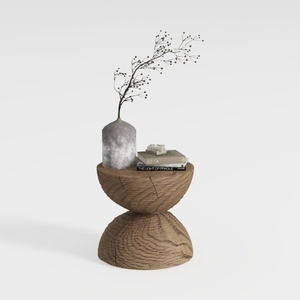
Minimalist Solid Oak Wood Side Table Unique Hourglass Shape 3D Model

Minimalist Fabric L Shaped Sectional Sofa with Metal Legs 3D Model
Homestyler is your go-to online home design platform! With its user-friendly design tool, stunning 3D renderings, and a wealth of DIY video tutorials, you can effortlessly create beautiful spaces. Discover inspiring design projects and transform your home effortlessly, no experience needed!
立即免费设计
































