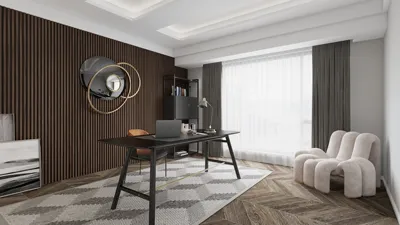


Designing a couple's bedroom that reflects personal styles while maintaining a cohesive atmosphere starts with a carefully considered painting strategy. It’s essential to select colors that evoke tranquility, enhance connectivity, and accommodate daily activities—from the energizing morning light to the soothing evening ambiance. The chosen color palette shouldn’t just cater to personal preferences; it should also take into account light quality, room dimensions, and material textures, ensuring the space feels intimate yet inviting. Utilizing Homestyler can assist in visualizing these elements effectively.
Choice of colors significantly impacts mood and emotional well-being. Research published by Verywell Mind indicates that soft blues help in lowering heart rates and anxiety levels, while warm neutrals boost feelings of warmth and comfort. Furthermore, studies by Steelcase show that well-thought-out color schemes and lighting in environments can lessen cognitive load and promote relaxation—insights that apply perfectly to bedrooms, where restfulness is vital. It's also crucial to balance hues and brightness: IES standards recommend optimal task and ambient lighting to avoid eye strain and glare, ensuring the paint colors are experienced positively throughout the day.
Creating design agreements in shared spaces is simplified when anchored in collective goals: enhanced sleep quality, a serene ambiance, and mutual comfort. Guidance from the WELL Building Standard suggests using circadian-friendly lighting and low-VOC materials to enhance both sleep and health, emphasizing that the chosen paint should harmonize with warm, dim lighting in the evenings while remaining consistent during daylight hours. These relevant insights transition discussions from merely selecting ‘favorite colors’ to choosing designs backed by evidence that facilitates both rest and intimacy—especially when employing tools like Homestyler to visualize concepts.
Begin Your Color Scheme with Soft Neutrals
For the foundational surfaces—walls, ceiling, and trim—I opt for warm neutrals such as light taupe, oatmeal, or gentle greige. These colors naturally bridge the gap between cool and warm tones, helping to blend different preferences seamlessly. A neutral foundation is also essential in maintaining consistent color perception as daylight changes. It’s best to keep finishes subtle (eggshell or matte) to avoid glare and foster a snug, restful environment.
Soothing Blues and Balanced Greens
When one partner leans towards cooler shades, muted blue-greens offer an excellent compromise. Soft teals, sea-salt blues, or silvery sage provide a peaceful vibe without feeling frigid. Studies indicate that soft blues can reduce stress responses (Verywell Mind), while greens create visual equilibrium and adapt well to both artificial and natural lighting. These shades complement materials like natural oak, linen, and brushed brass beautifully.
Add Romance with Warm Accents
Introduce warmth through hues such as blush, terracotta, or soft clay used as single accent walls or in painted millwork. These tones add emotional depth without veering into overly vibrant reds, which might overstimulate the senses. Maintain subdued saturation and incorporate texture—limewash, micro plaster, or brushed matte—for visual richness at lower luminance levels.
Low-Contrast Designs for Better Sleep
While high-contrast color combinations can create visual dynamism, they may feel overwhelming at bedtime. I prefer using tonal designs—depicting walls, the headboard wall, and ceiling within two shades of the same color. This approach decreases edge contrast and encourages relaxation. If subtle graphic interest is desired, consider painting the ceiling a shade darker than the walls to create a cocooning effect without making the room feel cramped.
The Importance of Light: Color Under Daylight and Artificial Lighting
Changes in color temperature can alter how we perceive these hues. Morning daylight (cool) can give warm neutrals a sharper appearance, while evening lamps (2700–3000K) enrich their warmth. To avoid unexpected outcomes, it's advisable to test paint in three different areas and observe its behavior at various times throughout the day. Strive for a layered lighting setup: ambient, reading sconces that minimize glare, and soft night lighting for safe movement—adhering to IES recommendations regarding glare management and brightness.
Strategic Placement for Accent Color and Proportion
Position accent colors behind the headboard or opposite the entrance, avoiding narrow walls that can make the space feel confined. If you're contemplating whether to orient the bed against the wall or the window, utilizing a room design tool can effectively visualize both color choices and furniture arrangements before finalizing your decisions: interior layout planner like Homestyler can facilitate this process.
Material Choices for Sensory Harmony
Paint forms just part of the story. Aligning color with materials ensures a grounded palette: think warm off-whites paired with walnut or smoked oak; dusty greens complementing rattan and linen; soft blush alongside bouclé and brass. This harmony prevents one partner's preference from overshadowing the other’s, creating a more sophisticated, layered design.
Strategies for Ceilings and Trim
To cultivate a sense of intimacy, consider painting ceilings a shade lighter than the walls, especially in rooms with higher ceilings—this can create a cozier atmosphere. Trim can either blend in (using a tone-on-tone approach) or elegantly highlight the room (by choosing tones that are two shades lighter or darker than the walls). In smaller spaces, it’s advisable to steer clear of black trim, as it tends to increase edge contrast and visual clutter.
Color Psychology for Daily Rituals
Reflect on daily routines: opt for soft blues and greens around reading spaces, warmer neutrals in dressing areas, and subtle mauves or clay near the vanity. Verywell Mind’s research on color psychology underscores these mood-oriented placements; building micro-zones can allow each partner to claim a corner reflecting their personal needs without fragmenting the space.
Durability, Paint Finishes, and Indoor Air Quality
Opt for low-VOC or zero-VOC paints to enhance air quality during the night—this aligns with WELL standards. In high-touch areas (like doors and trim), a washable eggshell finish offers durability while minimizing glare. For feature walls, select matte or mineral finishes to reduce glare from bedside lamps and to bring depth under soft lighting.
Testing, Adjusting, and Reaching Consensus
I recommend that couples live with paint samples in their bedroom for a week. Track their responses in the morning and evening, then make modifications as needed. Keeping a shortlist of three palettes—neutral, cool, and warm—maintains focus and helps prevent decision paralysis.
Sample Color Palettes Suitable for Two
• Soft Neutral Foundation: Oatmeal walls, ivory ceiling, pale greige trim; accents in brushed brass and oatmeal linen.
• Cool and Calm: Silvery sage walls, white ceiling, pale ash trim; accents in sea-salt blue textiles and oak.
• Warm and Romantic: Dusty blush headboard wall, warm beige walls, cream ceiling; accents in terracotta ceramics and bronze.
Color Coordination and Space Planning
Color should guide furniture layout and flow. Darker shades work well to anchor the wall behind the bed while lighter tones can be used near storage areas to keep the room feeling airy. If you're considering alternative furniture arrangements, visualize both the paint and layout together using a design visualization tool, like Homestyler, to prevent the need for repainting post-move.
• IES Standards: Guidelines for optimal lighting and glare reduction for comfort.
• WELL v2: Recommendations aimed at enhancing human-centric environments with circadian lighting and low-VOC materials.
• Steelcase Research: Insights on environmental factors that alleviate cognitive load and support rejuvenation.
• Verywell Mind: User-friendly summaries and insights about the psychology of color and its effects on mood.
Tips for Merging Two Preferences
Establish a two-axis color palette: one for warm shades (beige–blush) and one for cool tones (sage–blue). Keep saturation low and find convergence in neutral shades for expansive surfaces.
Tips for Managing Variances in Natural Light
Rooms that face north work well with warmer neutrals; those with southern exposure can accommodate cooler colors. East-facing spaces will have bright, crisp light—steer clear of stark whites that can cause glare at sunrise; west-facing rooms warm up—balance this with greens to avoid yellow tones.
Tips for Creating a Headboard Wall Focal Point
Apply the most romantic color behind the headboard, keeping adjoining walls serene. Incorporate textures (limewash or suede-like finishes) for a soft, inviting backdrop that looks great under bedside lighting.
Tips for Maintaining Manageable Contrast
Restrict your palette to three primary colors along with one accent. Strive for a contrast ratio that is gentle on the eyes at night—consider using light-medium shades against medium-dark ones rather than stark white and black.
Tips for Coordinating Textiles with Color Schemes
Use textiles to introduce minor contrasts and patterns, keeping the wall colors peaceful. Choose bedding that is two shades deeper than your walls for visual grounding and adaptability over time.
Tips for Design in Smaller Rooms
Implement a continuous color flow from wall to ceiling to visually enlarge the space. Keep trim minimal or use a tone-on-tone approach to minimize visual separation.
Tips for Personal Touches without Clutter
Paint the interior of niches, the backs of shelves, or a subtle strip above the headboard to infuse personal touches of color without overwhelming the space.
Tips for Durability and Maintenance
Select easy-to-clean matte or eggshell finishes for walls and test-clean with a microfiber cloth. It’s wise to keep a quart of each color handy for touch-ups after seasonal furniture shifts.
Frequently Asked Questions
Q1: What color paints are most conducive to rest for couples?
A: Soft neutrals, muted blues, and gentle greens are ideal choices. These colors promote calm and are widely acceptable, in line with research on color psychology that indicates reduced stress levels.
Q2: How does light influence paint selection in bedrooms?
A: Color temperature affects how we perceive colors. It's important to consider warm, dim evening lighting (2700–3000K) alongside balanced daylight; adhering to IES guidelines on glare control will ensure colors read soft and soothing rather than harsh.
Q3: Is it possible to have an accent wall without making the room appear smaller?
A: Absolutely—position the accent wall behind the headboard or on a longer uninterrupted wall. Maintain moderate saturation and avoid high-contrast trim adjacent to the accent to keep the room feeling spacious.
Q4: What to do if partners want warm versus cool shades?
A: Establish a neutral base and incorporate warm accents through fabrics and a single feature wall, while allowing cooler tones to emerge in secondary walls or artwork. Utilizing low-saturation colors simplifies compromise.
Q5: Which finishes are optimal for bedrooms?
A: Matte or eggshell for walls minimizes glare; eggshell or satin for trim offers durability. In intimate areas, high gloss should be avoided unless applied sparingly on select décor elements.
Q6: Are low-VOC paints a worthy investment?
A: Definitely. Choosing low- or zero-VOC paints improves indoor air quality and enhances nighttime comfort, in alignment with WELL recommendations for healthy materials.
Q7: How many colors should be used in a room?
A: Employ three primary colors plus one accent to maintain cohesion. Stick to tonal steps to foster a serene, unified aesthetic rather than harsh contrasts.
Q8: Any layout tips to enhance the color palette?
A: Use darker hues on the headboard wall while maintaining lighter shades near storage to keep the space airy. Experiment with arrangements and colors using a layout simulation tool like Homestyler before painting begins.
Q9: What colors are effective in smaller couple's rooms?
A: Continuous light neutrals with gentle warm undertones work best. Paint ceilings in a lighter shade than the walls to maintain an airy feel without becoming sterile.
Q10: How can you prevent a room from feeling too chilly with blue tones?
A: Balance soft blues with warm materials such as oak, brass, and linen, while incorporating blush or clay accents to maintain a serene yet warm environment.
Built on technology originally developed at Autodesk, Homestyler empowers anyone to design beautiful, realistic spaces in minutes. Join over 18 million users who have already discovered a smarter way to plan, visualize, and bring their dream homes to life — all from the comfort of a browser.

Minimalist Scalloped Fabric Solid Wood Storage Bed 3D Model


Modern Walnut Brass Accent Nightstand With Mesh Front 3D Model

Minimalist Japandi Oak Rattan Nightstand 3D Model
Homestyler is the ultimate online platform for home design, perfect for any skill level. Its easy-to-use design tool, stunning 3D renderings, and vast collection of DIY video tutorials empower you to create your dream space effortlessly. Unleash your creativity today!
تصميم الآن مجانا
































