


The design of a pharmacy clean room is crucial for ensuring safe drug compounding, controlling infections, and adhering to regulatory standards. Whether you are setting up a new pharmacy or modifying an existing one, the way you approach clean room design significantly impacts not just patient safety, but also the efficiency of your staff and compliance with USP 797, USP 800, and similar regulations. Each element—from air filtration to the organization of workflows—plays a vital role. How then can you create a pharmacy clean room that achieves a balance between compliance, efficiency, and durability? Here’s valuable insight from industry experts that can guide you through the process.
In the initial month after opening, the advantages of a professionally designed clean room become apparent. Factors such as regulatory inspections, staff confidence, and the quality of compounded medications heavily rely on careful planning and consistent maintenance. If you want to know what steps are critical or how to incorporate high-quality standards on a restricted budget, keep reading for essential tips and strategies that can help secure the future of your pharmacy’s clean room.
Keeping abreast of regulatory changes, local laws, and clinical workflow requirements can be challenging. Nevertheless, facilities that emphasize excellence in clean room design witness fewer medication errors, reduced contamination risks, and enhanced team morale. Are you ready to elevate your clean room from just adequate to truly outstanding? Let’s delve into the foundational elements of exceptional clean room design.
Comprehending and Implementing Clean Room Standards
Today’s clean rooms in pharmacies are expected to meet multiple overlapping standards. USP 797 pertains to sterile compounding, while USP 800 focuses on the management of hazardous drugs. These regulations reference ISO 14644-1, which involves environmental classification—generally, ISO Class 7 or 8 is required for pharmaceutical environments. Additionally, specific local Board of Pharmacy regulations introduce further requirements for space segregation, gowning protocols, and record-keeping (USP). Adhering to these guidelines is essential; failures can lead to medication recalls, substantial fines, or facility closures. Many pharmacies engage third-party certification organizations, such as the Controlled Environment Testing Association (CETA), to certify ongoing compliance (CETA).
Conduct a gap analysis early in your design phase—utilize audit checklists, flowcharts, and comparative assessments against the current local/state regulations. Don’t overlook the potential costs associated with rework, particularly if compliance issues arise later in the process!
Space Configuration: Layout, Zoning, and Workflow Efficiency
An effective clean room is characterized by the clear separation of functions: ante room, buffer room, and distinct hazardous/nonhazardous compounding areas. Each zone necessitates specific air pressure (positive for sterile, negative for hazardous) and unique entry protocols. Implement unidirectional flow so that personnel transition from the least to the most controlled areas, minimizing backtracking. Incorporate pass-through chambers, hands-free door systems, and clear signage to manage traffic and lower the risk of cross-contamination (ASHP).
Ergonomics are key, especially in limited spaces. Consider modular benches, wall-mounted storage solutions, and ceiling-integrated lighting to optimize counter areas. Clearly marked floor zones for “clean” and “dirty” areas can improve organization. Additionally, enabling direct sightlines from workstations to supply storage can enhance oversight and expedite access.
Material Choices and Finishes: Balancing Durability and Hygiene
Every surface, joint, and fixture within a clean room should prevent microbial growth and allow for rapid, repeatable disinfection. Recommended materials include:
Select adhesives and caulks containing antimicrobial properties. Steer clear of wood and porous plastics, as they tend to harbor contaminants. Choose materials designed to withstand hydrogen peroxide vapor and bleach for thorough cleaning procedures.
HVAC, Air Management, and Environmental Regulation
Maintaining high air quality in a clean room is non-negotiable. Important factors include:
Integrate Building Management System (BMS) sensors for real-time tracking of pressure differentials, HEPA filter status, and climate conditions. Remember, HVAC design is the most common failure point in pharmacy clean rooms—schedule regular preventive maintenance every quarter and biannual certifications by CETA-accredited professionals.
Operational Procedures: Gowning, Cleaning, and Continuous Compliance
Personnel must adhere to rigorous protocols to limit contamination stemming from human sources. Essential procedures include:
It's vital to foster a clean room culture focused on continuous enhancement—promote the reporting of “near misses,” and conduct frequent training on both regulatory and procedural updates. This mindset shifts compliance from being a burden to a shared responsibility.
Maintenance, Enhancements, and Future-Proofing Your Clean Room
Ensure that your investment remains valuable over time. Implement proactive maintenance plans to safeguard both compliance and financial investment. Key aspects to consider include:
Annual third-party audits can uncover subtle wear or procedural discrepancies that self-inspections may overlook. Research shows that pharmacies implementing a five-year master plan for upgrades spend 25% less on rectifying non-compliance issues (Harvard JCHS).
Tips 1: Achieving Success in Small Pharmacy Clean Rooms
Maximize space efficiency in constrained environments:
Tips 2: Technological Solutions for Clean Room Management
Leading pharmacies make use of the following tools:
Investing in the appropriate technology not only minimizes human error but also ensures documentation that keeps you prepared for audits at all times. Furthermore, utilizing platforms like Homestyler can aid in visualizing and optimizing your clean room layout efficiently.
Frequently Asked Questions
Q: What distinguishes an ISO Class 7 clean room from a Class 8 clean room in a pharmacy?
A: Both classifications manage airborne particle levels; however, Class 7 imposes stricter limits (≤352,000 particles/ft³ versus ≤3,520,000 for Class 8 at ≥0.5μm). Class 7 is typically required for buffer rooms where sterile compounding occurs (ISO 14644-1).
Q: How often should the HVAC filters in a pharmacy clean room be replaced?
A: HEPA filters should be tested and potentially replaced every 6 to 12 months, or as indicated by the differential pressure sensors and environmental monitoring results.
Q: Are the training requirements for clean rooms different for hazardous as opposed to nonhazardous compounding?
A: Yes, hazardous compounding under USP 800 demands more stringent personal protective equipment, negative pressure systems, and specialized training for spill and emergency responses that goes beyond those for nonhazardous compounding.
Q: What is the most significant compliance issue for pharmacy clean rooms?
A: Inadequate documentation—especially regarding environmental monitoring, cleaning processes, and staff training. Comprehensive and easily accessible records are vital during audits.
Conclusion
Establishing and maintaining a pharmacy clean room is an ongoing effort, not a singular task. By concentrating on regulatory clarity, disciplined workflows, effective air management, and a proactive upgrade strategy, pharmacies can realize elevated safety and efficiency standards—even with limited resources. Ultimately, fostering a culture of compliance and open communication is the most effective safeguard against costly mistakes and compliance gaps. Make informed investments, maintain thorough documentation, and your pharmacy’s clean room can serve as a benchmark of excellence within the healthcare sector.
What will be your next move—a design refinement, enhanced staff training, or improved documentation? Begin now; the safety and reputation of your pharmacy rely on these steps.
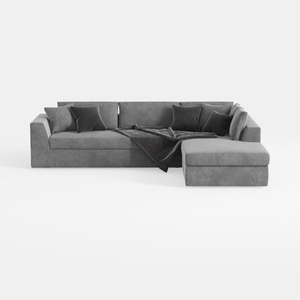
Minimalist Gray Fabric Sectional Sofa with Throw Pillows and Blanket 3D Model
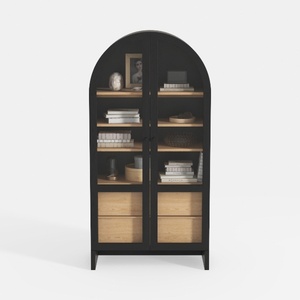
Modern Black Oak Arched Glass Display Cabinet 3D Model
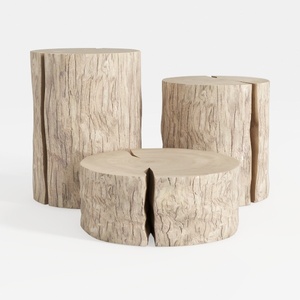

Rustic Solid Wood Stump Side Tables Set 3D Model
Homestyler is an incredible online home design platform that empowers you to create stunning spaces with ease. With its user-friendly design tool, breathtaking 3D renderings, and an array of DIY video tutorials, you'll find inspiration and guidance to transform your home into a dream space!
Projete agora para LIVRE
































