


When it comes to designing a compact Shankarda hall—whether for a small community function, temple gathering, or multipurpose events—the key lies in meticulous planning, ergonomic considerations, and maintaining a serene visual flow. In limited spaces, every inch is essential, ensuring versatility for activities ranging from prayer to dining and meetings. I start by identifying fundamental activities and positioning, then establish a direct sightline to the main focus (be it an altar, stage, or community platform) so visitors feel oriented. Leveraging Homestyler can simplify this design process, aiding in visualizing layouts that enhance comfort and functionality.
Research supports the notion that adaptable spaces with a defined spatial hierarchy and comfort features yield better results. Studies from Gensler suggest that environments accommodating varied work styles (focusing, socializing, learning) enhance productivity and satisfaction; this concept is equally applicable to event spaces where the atmosphere shifts from attentive listening to collective engagement. Regarding ergonomics, data from Herman Miller indicates that changing postures promotes comfort and focus, informing the choice of stacking chair systems that can be configured for smaller venues. Additionally, the IES recommends suitable vertical and horizontal lighting levels for optimal visibility and safety, maintaining ambient illumination between 300 to 500 lux in multifunctional areas to help reduce eye strain, with spotlighting used to highlight focal points.
Color choice and psychology play a significant role in small venues. Verywell Mind explains that warm neutral tones create a friendly, less sterile environment, while calming hues like blues and greens can alleviate stress—vital for small halls needing to prevent overstimulation. I combine these insights with WELL-focused strategies, addressing issues like glare and sound comfort: excessive reflective surfaces can quickly lead to user fatigue in confined spaces. Minimizing shiny finishes at eye level and incorporating sound-absorbing materials ensures clear communication during discussions or announcements, enhancing the overall experience for all attendees.
Plan the Room Around the Focal Point
Begin with a robust alignment to the altar or stage. In narrower halls, arrange seating in compact, well-spaced rows (ideally 800–900 mm between rows for legroom) and place aisles at the sides to maintain a focused, unobstructed view. If your hall also serves dining or workshops, maintain a circulation width of 900–1200 mm along one side, enabling quick layout transitions. During initial sketches, I frequently experiment with three seating densities—ceremonial, standard, and standing—to gauge capacity and egress options. Utilizing a lightweight layout tool like Homestyler facilitates simulations of chair counts, sightlines, and transition times before making any furniture investments.
Use Modular Seating and Stowable Stages
In compact hall settings, achieving flexibility quickly is crucial. Opt for robust stacking chairs with a seat width of 450–500 mm and a supportive back angle. A low, modular riser platform (150–300 mm in height) can either serve as a stage or be disassembled into benches. Designate a storage area or alcove beneath the stage for carts, lecterns, and extra seating, thereby minimizing visual disorder. If ceremonies involve bare feet, ensuring safety with non-slip materials for the dais is essential.
Light Layers: Ambient, Task, and Accent
I target an ambient lighting baseline of 300–350 lux in seating areas, increasing to 500 lux for more active setups. Integrate dimmable, warm-to-neutral LED lights (2700–3500K) for ceremonies, with slightly cooler task lighting (3500–4000K) for classes or paperwork. Maintain a low Unified Glare Rating (UGR < 19 in audience-facing zones) and mitigate reflections from glossy surfaces. Gently wash the focal wall with soft lighting features to create depth without harsh spots. Discreet emergency lighting and aisle markers are also crucial for ensuring safety and compliance.
Color Psychology and Visual Calm
In smaller halls, adopting a restrained color palette minimizes visual distraction. Warm off-whites or light taupe serve as the foundation, with a carefully selected accent color—like muted terracotta, sage, or midnight blue—used in textiles or backdrop elements. This strategy aligns with widely recognized color psychology insights: blue-green tones can promote relaxation and focus, while warm neutrals provide an inviting atmosphere. Brighter colors should be reserved for portable features—such as banners, garlands, or seasonal decorations—to maintain a timeless architectural feel without constraining visual space.
Acoustic Comfort in a Small Volume
Controlling reverberation is paramount. For halls with flat ceilings, consider installing acoustic clouds or high-NRC baffles (25–40 mm thick) above the audience. Attractive wall treatments can enhance both beauty and function: options include textile-wrapped panels, decorative timber diffusers behind the dais, and perforated panels in the rear. Aim to reduce flutter echo between parallel walls by alternating absorptive and diffusive features. Additionally, under-seat pads and heavier draperies at entryways can help mitigate noise without overcrowding the environment.
Material Choices: Resilience, Cleanability, and Ritual
Selecting materials that withstand heavy use while allowing for quick turnover is crucial. For flooring, high-density rubber or acoustic-backed vinyl work best in congregation areas, while durable timber or stone composites are suitable for the dais. In spaces that accommodate barefoot rituals, prioritize smooth, warm materials that are easy to clean. Upholstery fabrics for seating and wall panels should resist stains and be rated for over 100,000 double rubs. Furthermore, ensure edges are chamfered and hardware is recessed to prevent snags during rapid transitions between events.
Storage and the Art of Disappearing
Nothing diminishes the perception of space in a small hall more than clutter. Incorporating full-height storage adjacent to the stage for instruments, audio equipment, folding tables, and mats is essential. Utilize sliding doors that are acoustically damped to minimize noise during transitions. Opt for uniform container sizes and clearly label them; in my designs, a dedicated 'fast-flip' cart for holding microphones, cables, gaffer tape, and spare power strips profoundly reduces setup time.
Circulation, Safety, and Human Factors
Movement within the hall should be as thoughtfully planned as seating arrangements. Maintain a minimum clear path of 900 mm around clusters, ideally 1200 mm near entries. Prevent pinch points in the foyer area and position shoe storage or donation counters off the main path to avoid blocking entry. For older guests, include arm-cap chairs or options to add arms in at least two rows, and ensure ramps leading to platforms comply with safety slopes (1:12 or gentler) and have sturdy handrails with visible contrast strips at their edges.
Natural Light, Ventilation, and Ritual Atmosphere
If windows are available, utilize dual-layer treatments: sheer curtains to soften glare during daytime activities and opaque layers for evening focus. Ensure cross-ventilation with high and low openings for optimal comfort; when using HVAC, position supply diffusers away from microphones to prevent rumble, with returns located high to expel warm air during crowded functions. Implementing a subtle scent strategy—either by using natural incense sparingly or placing dedicated exhaust near the altar—can help manage lingering odors in the small space.
Technology Integration: Clear Sound, Clean Sightlines
Enhance audio clarity with compact column arrays or coaxial speakers positioned at ear level alongside the dais, angled for optimal sound distribution. Conceal cable paths in floor raceways or baseboards. Projectors or short-throw displays should align with the axis of the room; if ceiling height is limited, use ultra-short-throw varieties placed on a credenza to avoid casting shadows. Provide intuitive control presets for ceremonies and multipurpose events, enabling volunteers to switch functions seamlessly.
Layout Scenarios You Can Flip Fast
- Ceremony Focus: Arrange 4–6 seat rows with a central aisle and warm lighting for the dais. Maintain a clear perimeter path of 1200 mm. - Community Dining: Position folding tables perpendicular to the stage for efficient service; ensure circulation lanes are 900 mm. - Workshop/Class: Chevron seating optimizes sightlines for discussions, alongside a portable whiteboard adjacent to the dais. - Open Floor: Chairs can be stacked and stored, modesty panels can be set aside, using the dais as a focal point for musicians or speakers. By planning these scenarios, employing digital tools for spatial testing can reduce uncertainties. Utilizing an interior layout planner, like Homestyler, allows for rapid adjustments to seating arrangements, aisle access, and storage locations.
Trends for 2024–2025 That Fit Small Halls
- Soft Tech: Implement warm, user-friendly interfaces—simple scene controllers, low-profile microphones, and cord-free stages. - Calm Palettes: Earthy tones and matte surfaces to minimize glare and enhance the atmosphere. - Hybrid Ritual: Install discreet cameras for remote participants at eye level, incorporating sound-treated zones to eliminate echo. - Sustainable Choices: Employ low-VOC finishes, use FSC-certified timber, and select recyclable seating options that withstand regular use.
References Worth Exploring
For guidelines on lighting standards and glare mitigation, refer to IES recommended practices. To learn about ergonomic seating strategies, consult Herman Miller’s research publications. For insights on behavior-driven multi-mode environments, Gensler’s studies offer valuable information.
FAQ
Aim for an ambient light level of 300–350 lux for general seating, with task levels reaching 500 lux for reading or workshops. Control glare using diffused sources and ensure a UGR of less than 19 near the focal area.
Utilize short rows with 800–900 mm between chair backs, with either a central aisle or paired side aisles. For confined spaces, side aisles help maintain a stronger alignment toward the dais while enhancing sightlines.
Base color choices should include warm off-whites or light taupe, supplemented with a single muted accent (such as sage, terracotta, or midnight blue). Cooler blue-green accents can promote calmness, while vibrant hues should remain portable.
Integrate a ceiling acoustic cloud or baffles alongside wall treatments that alternate between absorption and diffusion. Heavier curtains at entrances and under-seat pads can diminish unwanted noise.
For flooring, low-gloss timber, cork-backed engineered wood, or acoustic-backed vinyl with rounded edges are ideal. Prioritize materials that are easy to maintain and provide a warm underfoot experience.
Utilize stacking chairs on dollies, with folding tables stored in full-height closets, and a labeled 'fast-flip' cart equipped with AV and cable necessities. Maintain a clear perimeter path of 900–1200 mm.
Position compact column speakers flanking the dais, ensuring cables are routed through floor raceways or baseboards, and keep mixers stored in a cabinet or credenza with adequate ventilation.
For ramps, maintain a slope of approximately 1:12 with sturdy handrails, contrasting edge strips, and aisles at a minimum width of 900 mm (1200 mm preferred near entries). Provide arm-cap chairs in at least two rows for accessibility.
Utilize dual-layer window treatments: sheer fabrics to soften daylight during daytime events and opaque drapes for focused evening sessions. Direct accent lighting to avoid reflections facing the audience.
Install modular risers at heights of 150–300 mm that either stack or can be stored in alcoves. Select finishes that are non-slip and have low gloss, incorporating cable pass-through points.
Yes—using a layout simulation tool like Homestyler to model chair arrangements, aisle sizes, and sightlines can quickly validate a hall's capacity and flow.
Plan for full-height storage complete with adjustable shelves and labeled bins. Sliding doors with acoustic cores can conceal clutter while helping reduce room noise.
For warm, intimate ceremonies, set lighting to 2700–3500K; for tasks and classes, use 3500–4000K. Ensure all layers have dimming capabilities to allow smooth transitions between setups.
By integrating principles of spatial hierarchy, effective acoustic management, balanced lighting, and flexible furnishings, even a modest Shankarda hall can foster a feeling of composition, generosity, and readiness for any gathering—demonstrating the power of design tools like Homestyler in achieving such results.
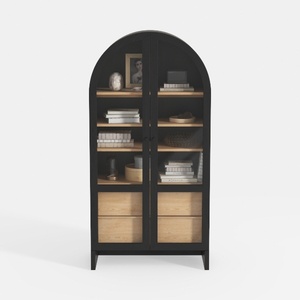
Minimalist Black Oak Arched Glass Display Cabinet 3D Model
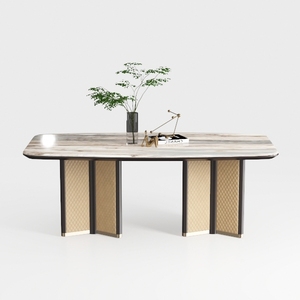

Modern Marble Top Metal Frame Luxury Dining Table 3D Model
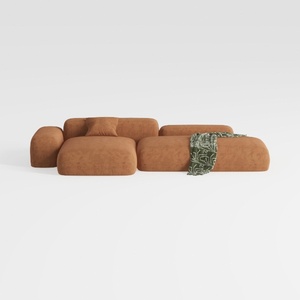
Minimalist Brown Fabric Modular Sectional Sofa 3D Model
Homestyler is your go-to online platform for creating stunning home designs effortlessly! With its user-friendly design tool, impressive 3D rendering features, and a wealth of design projects plus DIY video tutorials, you can bring your creative visions to life in no time.
지금 무료로 디자인하세요
































