

Creating an efficient and compact association hall in Karnataka requires thoughtful decision-making rather than focusing solely on the size. I emphasize the significance of proportion, sequencing, and versatile solutions that respect Kannada culture while maintaining a cohesive design. In smaller venues, aspects such as circulation, sightlines, and acoustics play a crucial role in determining whether a gathering exudes dignity or feels cramped. Research suggests that the WELL v2 Light concept recommends maintaining a lighting level of 200–300 lux in general areas, with increased illumination for tasks, which alleviates visual fatigue in crowded spaces. Furthermore, according to Steelcase's findings, flexible and multimodal environments significantly enhance perceived usability and engagement—essential attributes for a vibrant community hall that remains active throughout the week.
Factors like noise and comfort also significantly impact user experience. The WELL v2 Sound concept indicates that reverberation and background noise strongly affect cognitive performance and speech clarity, which is vital when hosting speeches, classical music, or folk performances in a shared space. To manage this, I incorporate acoustic wall treatments along with carefully positioned soft furnishings to regulate the reverberation time (RT60), targeting around 0.6–0.8 seconds in smaller halls. Additionally, for scheduling flexibility to accommodate cultural classes, meetings, pooja, and music rehearsals, I opt for modular furniture and zoning indicators, allowing the same space to fulfill various functions seamlessly. I frequently consult Steelcase’s extensive research library for insights into user behavior patterns that can effectively translate to communal environments.
Respecting Cultural Identity Through Thoughtful Design
I strive for a balanced base palette complemented by precise cultural details. Imagine warm neutral tones that reflect daylight, accented with Karnataka-inspired motifs—think red-ochre trims, dark teak elements, and patterns reminiscent of Channapatna or Kasuti embroidery. Color theory suggests that warm colors can enhance sociability and create a sense of welcome; thus, combining terracotta shades with cooler grays achieves visual equilibrium while preventing color saturation. Instead of overcrowding every surface, I suggest creating a focal wall behind the stage adorned with a hand-painted design or textile panel.
Designing a Versatile Stage with Clear Sightlines
For compact venues, a retractable or modular stage between 300 and 450 mm high provides presence without being permanent. I align its width with the main row of seating, ensuring a clear viewing angle of 7–10 degrees for those seated in the back. Storage spaces alongside the stage effectively conceal AV equipment and foldable furniture. When examining seating arrangements—whether for banquets or theater setups—utilizing an interior layout planner allows for quick modeling of aisle widths, escape routes, and distance calculations for projectors, making adjustments easier before finalizing designs.
Optimizing the Seating Configuration
For theatrical performances, I recommend chair widths of 500–550 mm with an 850–900 mm spacing between rows for short sessions; this can expand to 950–1000 mm for ceremonial events. Regarding community meals, traditional round tables (1520–1830 mm) take up considerable space, leading me to prefer narrower rectangular tables (600–750 mm) with wheels for flexibility while adhering to egress regulations. I design for two lateral aisles and one central aisle to ensure unimpeded evacuation and catering access, carefully orienting chair backs toward the stage to maintain visual coherence.
Lighting that Enhances Performance and Rituals
Small halls can seem more spacious with a well-thought-out lighting hierarchy: using ambient ceiling illumination (200–300 lux), focused lighting on stage (750–1000 lux for performers), and gentle task lighting over registration or prasada areas. I aim for 3000–3500K temperature for overall warmth and 3500–4000K for stage clarity, while implementing baffles and angled trims to minimize glare. During classical music or devotional sessions, considering dimming curves with fade times of 3–5 seconds can enhance the experience. Using standards from IES for lighting in general and performance areas ensures consistent visual comfort.
Acoustic Solutions Without Overcrowding the Space
Smaller rooms can amplify sound echoes. To counter this, I integrate discreet acoustic panels (fabric-covered mineral wool, with NRC around 0.8) on side walls along with heavy curtains that can be drawn for sound absorption or opened for a brighter atmosphere during performances. Suspended acoustic clouds above seating areas help regulate RT60 without losing ceiling height. Upholstered chairs with slightly elevated backs provide sound absorption while fitting a formal aesthetic. Arranging loudspeakers ahead of microphones and using cardioid subs proves effective, especially if music events require significant bass support to prevent undesirable reverberation.
Maximizing Storage for a Versatile Floor Plan
I consider storage as a vital spatial enhancer: a 600–750 mm deep built-in cupboard along a less visible wall can accommodate folding chairs, lecterns, tablecloths, cables, and pooja supplies. Each section should be labeled according to usage frequency. Low-depth drawers for AV accessory storage help minimize last-minute preparations before events. Additionally, having a small janitorial closet by the entrance reduces clutter in the main area.
Stage-Ready AV and Subtle Infrastructure Planning
Strategically planning cable layouts from the beginning is crucial. Employing flush floor boxes near the stage edge keeps wires off the aisles, while a ceiling-mounted projector lift retains valuable headroom. For optimal speech clarity, moderate line-array systems or evenly distributed wall speakers outperform singular, loud sources. I suggest a small technical niche at the rear with a clear line of sight to the stage, along with a dedicated power supply to prevent interference.
Choosing Materials: Durability Meets Cultural Familiarity
In frequently used halls, I emphasize durable and easy-to-clean finishes: sturdy textile weaves, high-pressure laminates with wood-like aesthetics, and engineered stone or porcelain tiles in high-traffic areas. Whenever budget allows, opting for sustainably sourced teak provides a regional touch without the need for extensive wood paneling. Ensuring slip resistance (particularly during busy festival periods) and ease of cleaning after events or rangoli designs are essential. I maintain a calm palette, introducing colors through removable fabrics, floral arrangements, and seasonal decorations.
Intelligent Zoning for Multi-Functional Events
I create three designated zones that can be interconnected or separated: reception/transition, main area, and service. A designated threshold area near the entrance accommodates footwear when necessary and includes a compact welcome counter. The main zone stays tidy and adaptable, while the service area (water station, prasada distribution, or catering access) is positioned laterally to the seating layout to prevent congestion. For efficient reconfiguration, I prototype various setups using interior layout planning tools to analyze traffic flow and safety clearances effectively.
Ensuring Natural Ventilation and Thermal Comfort
Cross-ventilation serves an important purpose in community halls; I pair operable windows with ceiling fans designed for lower RPM and wider blades to facilitate quieter airflow. Where air conditioning is necessary, I prefer zoned mini-splits or VRF systems with CO2-based fresh air management to control energy consumption effectively. Implementing vestibules helps minimize temperature fluctuations at entries during busy events.
Navigating with Accessibility and Ritual Considerations
Providing clear signage at eye level, potentially bilingual, assists visiting attendees in finding their way. It’s essential to maintain a minimum aisle width of 915–1000 mm and designated accessible seating with companion chairs. If specific rituals require temporary barriers, I suggest lightweight folding screens that can be easily stored. Any transitions in flooring should be subtle to minimize tripping hazards during crowded gatherings.
Small Budget, Significant Design Enhancements
- A prominent backdrop with integrated lighting on the stage wall.
- A movable arch or toran frame that establishes a festive ambiance without permanent clutter.
- Dual-level lighting control: presets for meetings, performances, and dining events.
- Stackable, upholstered chairs in timeless neutral tones.
- Diverse storage solutions and effective cable management to maintain organization in the room.
Frequently Asked Questions
Q1: What are the ideal lighting levels for a compact hall?
A: Aim for ambient lighting at 200–300 lux, 300–500 lux in task zones, and 750–1000 lux on stage for optimal visibility of faces. Color temperature should hover around 3000–3500K for general warmth and 3500–4000K to enhance clarity during performances, ensuring effective glare control.
Q2: How can I enhance speech clarity without extensive renovations?
A: Incorporate fabric-covered acoustic panels on sidewalls, use heavy curtains that can be adjusted behind the audience, and add ceiling clouds above seating areas. Position speakers slightly forward of microphones and ensure evenly distributed sound levels at low to moderate volume.
Q3: What is the most space-efficient seating arrangement for events?
A: Narrow rectangular tables (600–750 mm deep) on casters optimize space better than large round tables. For theater-style seating, use chair widths of 500–550 mm with 850–900 mm row pitches, increasing to 950–1000 mm for longer ceremonies.
Q4: How do I maintain a culturally expressive yet uncluttered space?
A: Start with a neutral base and focus Karnataka-specific elements on one or two focal points—such as a stage backdrop or textile panels—to prevent a scattered appearance.
Q5: What are some cost-effective strategies for improving acoustics?
A: Consider upholstered chairs, area rugs placed at the stage front, and adjustable curtain tracks for versatile deployment. Even adding bookcases or display units along the side walls can help mitigate flutter echoes.
Q6: Can small halls accommodate music and dance performances?
A: Absolutely. Install a low, modular stage, integrate flexible lighting with dimming options, and implement targeted sound absorption techniques. Ensure backstage paths stay accessible while providing discreet storage for instruments and cables.
Q7: How can I effectively manage crowd flow during festivals?
A: Clearly define entry and exit paths, a lateral lane for food or prasada serving, and create a reception threshold for shoe storage and welcoming without obstructing circulation.
Q8: What materials balance durability with a sense of cultural warmth?
A: Use porcelain or engineered stone in entrance areas, along with resilient textile weaves and wood-toned laminates offset by select solid wood accents. Opt for slip-resistant, easy-to-clean surfaces to manage high traffic effectively.
Q9: Where should I allocate storage space in a compact hall?
A: Incorporate a wall-mounted storage unit measuring 600–750 mm deep along a non-visible wall, organized by purpose—such as chairs, AV equipment, and ritual items—to streamline setup and keep the main area tidy.
Q10: How can I evaluate layouts before making furniture purchases?
A: Utilize a versatile room design visualization tool to simulate different seating configurations, aisle measurements, and stage dimensions, ensuring that egress paths and sightlines are effectively integrated for various event types.
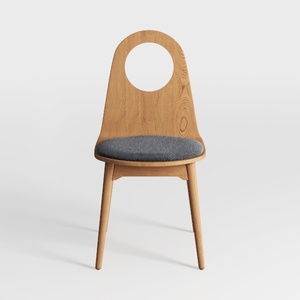

MILCIL Swivel Accent Chair Living Room Chair with
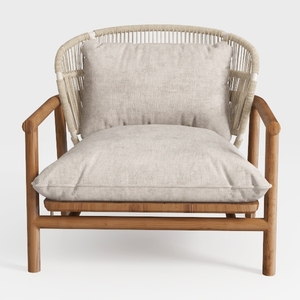
ANJ Modern Arm Chair, Mid-Century Modern Accent Ch
Looking to transform your space? Homestyler offers an intuitive online design tool that makes it easy to create stunning interiors. With its impressive 3D rendering features, diverse design projects, and comprehensive video tutorials, you’ll find inspiration and guidance every step of the way!
Design jetzt kostenlos
































