

Small homes and apartments should embrace a welcoming atmosphere just like their larger counterparts. A thoughtfully designed bar counter serves as the centerpiece for social interactions, supports daily rituals, and fits comfortably within limited spaces. In my design endeavors, the most effective small-space bars prioritize human-scale dimensions, emphasize high-quality lighting, and utilize multi-functional features to ensure clear pathways and efficient storage solutions, enhancing the user experience with tools like Homestyler for better visualization.
When it comes to comfort, scale is essential. For seated bar counters, heights ranging from 36 to 38 inches, coupled with 24 to 26 inches of knee space and 10 to 12 inches of overhang, typically meet the ergonomic requirements for most adults. These measurements align with industry standards upheld by NKBA members and manufacturers. Additionally, lighting plays a critical role; task lighting of approximately 300 to 500 lux at the bar aids in food preparation, reading labels, and precise measurements, consistent with IES guidelines for residential task areas. When hosting frequently, it’s advisable to maintain aisle widths near 36 inches for safe movement behind the counter.
Behavior and ambiance are equally important as dimensions. Studies in color psychology reveal that warmer colors enhance sociability, while cooler shades promote calm concentration. According to an overview by Verywell Mind, warm tones like red and orange can energize conversations, whereas blue hues evoke serenity and trust. When applying these insights to materials, I balance vibrant colors with neutral cabinetry and toned-down wood finishes, avoiding visual chaos in compact spaces. For an inviting bar atmosphere, a warm white light at 2700 to 3000K with a CRI of 90+ helps retain the natural colors of beverages and ingredients, creating a pleasant ambiance.
Deliberate Planning: Micro-Zones for Efficiency
I categorize compact bar counters into three functional areas: prep/service, storage, and seating. Each zone is strategically allocated space to maintain balance in the room. The prep/service zone requires an uninterrupted 18 to 24 inches of workspace. Storage solutions can ascend vertically, utilizing under-counter drawers for tools, narrow pull-outs for bitters and syrups, with shelves above for glassware. Seating arrangements should consider circulation; typically, one or two stools suffice in studio apartments to prevent congestion. To visualize your layout before finalizing decisions, employing tools like Homestyler can help showcase clearances and sight lines effectively.
Selecting the Ideal Layout
• A straight counter against a wall maximizes storage potential with a minimal footprint. I often incorporate a 12-inch deep, full-height shelving panel at one end for storing bottles and glassware.
• A peninsula design, extending at a right angle from existing cabinetry, offers seating without the need for a full island, enhancing circulation.
• A fold-down leaf can provide additional serving space as needed, allowing it to retract to maintain open pathways.
• For open-plan kitchens, a narrow island measuring 20 to 24 inches deep with a waterfall edge can elegantly serve as a refined bar while preserving spatial clarity in living areas.
Ergonomics: Heights, Overhangs, and Seating
Comfort while seated is essential. For counter-height stools (24 to 26 inches seat height), aim for a counter height of 36 inches. When using bar-height stools (29 to 31 inches seat height), target 42 inches. Adjust overhangs accordingly to 12 to 14 inches. Footrests positioned 8 to 12 inches off the ground prevent dangling legs, and stool widths of 16 to 18 inches accommodate two seats in compact setups. I suggest placing stools so that each person has approximately 24 inches of space between them to avoid elbow clashes.
Lighting: Multilayered and Without Glare
Incorporating layered lighting can invigorate small bar areas. Ambient light creates the overall environment, task lighting guarantees safe food preparation, and accent lighting highlights bottles or textured tiles. I recommend avoiding hanging bulbs at eye level to minimize discomfort; instead, opt for shielding, frosted diffusers, or angled narrow-beam tracks to divert light away from guests' faces. To manage glare, pendants should be hung 28 to 34 inches above the counter, with matte or satin finishes on shades to soften reflections, promoting an intimate setting as the light transitions from 3000K to 2200K in the evening.
Materials: Durable, Eco-Friendly, and Textured
Compact bars thrive with sturdy surfaces that improve with age. Engineered quartz is resistant to the acidity of citrus, while sealed porcelain slabs are impervious to staining. If you prefer wood, select tight-grain species such as white oak treated with hardwax oil for enduring durability. I prioritize sustainable options, using FSC-certified timber and low-VOC finishes. Metal accents in brushed brass or blackened steel contribute significant contrast without cluttering visuals. Limiting the palette to 3 to 4 colors plus one accent prevents fragmentation in smaller designs.
Storage Solutions: Innovative and Discreet
I focus on stacking vertically rather than spreading out to maximize storage. Slim racks on walls for stemware keep glasses safely stored and maintain counter space. A narrow pull-out adjacent to the counter can hold syrups, mixers, and smaller bottles. Should plumbing allow, incorporating a compact bar sink (12 to 15 inches) with a gooseneck faucet enhances cleaning and preparation efficiency. I recommend reserving the highest shelves for seasonal or specialty bottles, keeping frequently used items within easy reach at shoulder height.
Sound and Social Warmth
Hard surfaces may amplify sounds in small environments. To counterbalance this, I integrate fabric stools, a small rug, or acoustic wall panels, effectively reducing echo. Maintaining background noise levels at a comfortable range allows conversations to flow without needing to raise voices; utilizing soft-close hardware and felt-covered pads on stools can make a significant difference.
Color Psychology: Crafting the Atmosphere
For an energetic atmosphere, warm neutrals, amber glass, and walnut tones provide inviting warmth without overwhelming the space. For bars that also serve morning coffee, opting for desaturated colors—cool greys and matte blues—promotes focus and tranquility. Introducing vivid elements judiciously—such as a vibrant tile niche or vintage artwork—creates a focal point while maintaining a serene environment.
Smart Integrations for Compact Bars
• Under-counter refrigerator drawers conserve space compared to traditional models.
• Compact ice makers or induction warmers blend in seamlessly, avoiding bulky appliances.
• Installing motion sensors for under-counter lighting facilitates hands-free activation during service.
• Power strips integrated below the counter allow for the use of appliances like blenders or kettles without adding visual clutter.
Positioning and Visual Flow
In tight quarters, I align the bar with architectural elements like a window frame, a structural pillar, or the edge of kitchen cabinetry. This alignment contributes to a more expansive feel in the room. For open-concept layouts, it’s beneficial to arrange the bar so that guests face scenic views or communal spaces, rather than the traffic flow. Corner bars offer excellent design opportunities when complemented by tall storage on one side and a lower counter on the opposite, creating a visually appealing 'L' shape.
Streamlined Workflow: Entertaining with Ease
I organize the bar intuitively: glassware should be placed above, tools to the right for right-handed users, mixers to the left, and accessible bottles at eye level. A simple tray positioned on the counter can hold the essentials for the evening. Storing cleaning supplies in a shallow drawer directly beneath allows for quick resetting between guests.
Focusing on essential touchpoints—quality hardware, a striking pendant light, and a resilient counter surface—enhances impressions more than widespread renovations. Options such as repainting or refinishing existing cabinets, adding a straightforward backsplash in a classic pattern (like stacked 2x6 tiles or thin bricks), and implementing a dimming circuit can significantly enhance mood and functionality across varied uses.
Frequently Asked Questions
Q1: What is the most suitable bar counter height for compact apartments?
A: A counter height of 36 inches pairs perfectly with counter-height stools, while a taller option at 42 inches accommodates bar-height stools. A 10 to 12-inch overhang for comfort is recommended.
Q2: How much space should be maintained behind the bar?
A: Leave a minimum of 36 inches for safe movement and service. In particularly tight spaces, a clearance of 30 inches can suffice for single-user operations but should be avoided for regular high-traffic scenarios.
Q3: What lighting levels should I aim for?
A: Target a lighting level between 300 to 500 lux on the counter for comfortably reading labels and measuring pours, consistent with IES recommendations for residential areas.
Q4: Which color schemes create a welcoming atmosphere in small bars?
A: Warm whites, amber tones, and medium wood colors enhance sociability; cool greys and blues lend tranquility for morning routines. According to Verywell Mind's findings, warm tones tend to increase energy levels while blues are calming.
Q5: How many stools can fit comfortably at a small bar?
A: Plan for around 24 inches of space per stool. In compact settings, two stools support comfort while maintaining free flow.
Q6: What materials are best suited to withstand spills?
A: Engineered quartz and porcelain surfaces are stain and acid-resistant. If opting for wood, choose tight-grain species and robust finishes for easy cleaning.
Q7: Is it feasible to include a sink in a small bar?
A: Absolutely—compact sinks (ranging from 12 to 15 inches) streamline workflow. If plumbing is challenging, consider utilizing a nearby kitchen sink along with a dedicated cleaning drawer for maintaining order.
Q8: How can I minimize glare from pendant lights?
A: Select diffusers or matte shades, hang pendants 28 to 34 inches above the counter, and angle accent lights away from eye level to enhance visual comfort.
Q9: What storage options maximize utility?
A: Utilize vertical racks for stemware, narrow pull-outs for mixers, and shallow drawers for tools to keep essential items accessible without taking up valuable floor space.
Q10: Are there any smart features I should consider for my bar?
A: Yes—motion-activated under-cabinet lighting, built-in power strips, and refrigerator drawers enhance service efficiency while minimizing visual chaos.
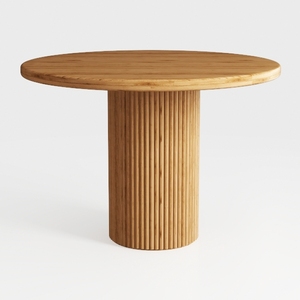
Minimalist Solid Oak Fluted Base Round Dining Table 3D Model

Mid Century Solid Wood Leather Lounge Chair and Ottoman 3D Model

Minimalist Solid Wood Cane Armchair 3D Model
Homestyler is your go-to online home design platform! With an easy-to-use design tool, stunning 3D renderings, inspiring design projects, and helpful DIY video tutorials, you can effortlessly create and visualize your dream spaces, regardless of your design experience. Dive in and unleash your creativity!
立即免费设计
































