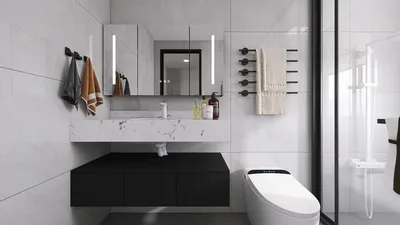


Ensuring comfort in a sperm donation facility isn't just about aesthetics—it significantly impacts the donor's experience, the reliability of the outcomes, and the overall reputation of the clinic. My design projects have shown that the most effective spaces harmoniously combine privacy, ergonomics, and subtle behavioral prompts. Research supports this approach: Gensler’s Workplace Survey reveals a strong correlation between acoustic privacy and employee performance, while Steelcase studies indicate that individuals who feel in control of their surroundings are 88% more engaged. These principles are equally applicable in sensitive clinical environments, where donor comfort relies heavily on the perception of control and privacy, which can be effectively enhanced using tools like Homestyler for optimal layout planning.
The role of lighting in such settings cannot be overstated. The Illuminating Engineering Society (IES) suggests maintaining a brightness of 300–500 lux for typical tasks, while glare control and a warm-to-neutral color spectrum of 3000–3500K foster a calming, non-clinical atmosphere. The WELL v2 framework reinforces the importance of visual comfort, circadian lighting, and acoustic measures as critical elements of occupant well-being. My routine approach aims for an ambient lighting level of 350–400 lux, supplemented by 200–300 lux for accent lighting with dimming capabilities, ensuring that the Unified Glare Rating (UGR) stays below 19 to minimize discomfort. Softer rounded edges and warm hues help ease anxiety for donors, while adjustable task lighting caters to clinical staff necessities. For further lighting comfort standards, refer to guidelines outlined on wellcertified.com.
Design Goals: Ensuring Privacy, Dignity, and Behavioral Ease
Privacy is the cornerstone of my design philosophy. To achieve this, I implement layered solutions such as spatial separation from waiting areas, solid-core doors equipped with drop seals, entry vestibules, and sound transmission class (STC) partitions rated at ≥ STC 50 to minimize conversational leakage. Additionally, behavioral ease is accomplished through intuitive room layouts, straightforward light controls, and easily cleanable finishes that feel less clinical. The path for donors should be discreet—from check-in to a private room via a short corridor, then to an exit that sidesteps the main waiting area.
Room Layout and Zoning Strategy
In designing the room, I typically delineate three distinct zones: Entry/Preparation (featuring a coat hook and handwashing station), Comfort/Seating (incorporating a lounge chair or compact sofa), and Media/Work Surface (providing a desk-height area for sample handling, discreet storage, and potentially a screen). It is essential to maintain a circulation space of 36–42 inches, ensuring at least 5 feet from the door to the seating area to promote a sense of privacy. For those planning multiple rooms or refining spatial relationships, utilizing a room layout tool like Homestyler can greatly aid in visualizing the necessary acoustic buffers, door movements, and flow before commencing construction.
Enhancing Acoustic Comfort and Sound Masking
Prioritizing acoustic isolation is critical. I advocate for resilient channel assemblies, mineral wool insulation, and door gaskets to achieve this. A background noise level of 35–40 dBA contributes to minimizing the perception of intrusion. Incorporating sound masking techniques like pink or white noise in corridors is essential to protect the rooms from outside noise. Fabric-wrapped acoustic panels in neutral tones enhance absorption while avoiding a clinical feel. The objective here is to create a comfortable auditory environment rather than complete silence, which effectively dampens corridor activity and surrounding mechanical sounds.
Effective Lighting Strategy: Soft, Dim, and Glare-Free
Utilizing indirect LED coves or wall washers can significantly soften shadows, combined with dimmable downlights featuring 3000K LEDs and a Color Rendering Index (CRI) of ≥ 90 for precise color representation, ensuring glare is minimized. It is advisable to avoid flicker by adhering to IEEE 1789 standards where feasible. A layered lighting approach allows donors to adjust the ambiance: dimming lights can reduce arousal levels, while a small table lamp may add localized comfort. Controls should be user-friendly, categorized into two to three scenes labeled “Soft,” “Neutral,” and “Bright.”
Color Psychology and Material Selection
The impact of color on comfort and emotional response is significant. Research by Verywell Mind suggests that shades of blue and green are associated with calmness and stability, while vibrant reds can provoke stress. My preference leans towards desaturated greens, slate blues, and warm neutrals with matte finishes to minimize glare. The choice of materials must balance hygiene with tactile warmth, employing antimicrobial and easy-to-clean vinyl for wall coverings, high-pressure laminate for work surfaces, and upholstered seating made from wipeable, PVC-free coated textiles. Flooring should be discreet, opting for rubber or low-pile carpet tiles that offer moisture barriers to prevent echo and enhance acoustic insulation.
Ergonomics and Human Factors Consideration
To cater to donors, it is essential to provide versatile seating solutions with a seat height ranging from 17 to 19 inches, a moderate back angle of 100 to 110 degrees, arm support, and a stable base. A small adjustable table surface at a height of 28 to 30 inches for personal items is also necessary. Controls should be easily accessible from a seated position, allowing a single movement to dim lights or manage volume. Clear signage helps to reduce ambiguity and accelerates the onboarding process; thoughtfully designed instructions positioned at eye level (48 to 60 inches) with minimal steps enhance the perception of control, reinforcing the insights from Steelcase regarding the importance of environmental autonomy and comfort.
Technology, Media, and Distraction Management Techniques
In the event that media is available, it is important to isolate audio-visual systems to create simple controls and ensure content appropriateness. I recommend wall-mounted screens with remote lock capabilities, low-latency streaming, and discreet cable management. Should personal devices be permitted for use, it is beneficial to install USB-C and traditional power outlets near the seating area, fitted with tamper-proof covers. Ensuring comprehensive Wi-Fi coverage without intrusive splash pages is critical to maintain donor comfort. Sound levels must be contained within the rooms; utilizing directional speakers or allowing personal headphones can be effective where policy permits.
Thermal Comfort and Ventilation Strategies
A flexible setpoint for temperature is vital. Aim to maintain a range between 72 and 74°F with local control available where appropriate. It is best to avoid ventilation diffusers that blow directly onto seating; instead, consider using laminar diffusers or sidewall supply with low air velocity. Proper odor control through dedicated exhaust systems and activated carbon filtration is fundamental in keeping the environment neutral. The WELL v2 framework emphasizes ventilation rates, filter efficiency, and contaminant management—clinics must collaborate with MEP engineers to achieve or exceed healthcare standards while ensuring quiet operation (NC 25–30).
Assuring Safety, Hygiene, and Discretion
Surfaces should be designed for easy sanitization without appearing harsh. I recommend rounded corners, sealed edges, and minimal crevices to facilitate cleaning. Providing discreet and lockable storage for kits and materials is essential. Though a handwashing station or sanitizing area should be prominent, it shouldn't dominate the space. Waste bins ought to feature soft-close lids and odor-sealing mechanisms, strategically hidden from immediate view. Clear directional signage to sample pass-throughs or transfer windows can prevent uncomfortable encounters.
Managing Spatial Ratios, Rhythm, and Visual Balance
Smaller rooms demand careful control of proportions. I prefer ceiling heights of 9 feet to avoid feelings of confinement. Utilizing rhythm with vertical elements—such as slatted panels or fabric baffles—can enhance the room's ambiance, alongside symmetrical sightlines from seating to a focal wall. Avoid overly busy artwork; opting instead for a singular calming piece or subtly textured panels. Mirrors are effective tools for enhancing perceived space but should be positioned thoughtfully to avoid causing self-consciousness.
Prioritizing Sustainability and Material Health
Choosing low-VOC paints and adhesives helps in diminishing unwanted odors. Utilizing PVC-free coated textiles, Greenguard-certified flooring, and FSC-certified wood products ensures a balance between durability and health considerations. Integrating occupancy sensors for lighting and HVAC systems allows for energy conservation without sacrificing comfort. Making sustainable choices not only promotes health but also communicates professionalism and care, reinforcing trust among donors.
Operational Workflow and Maintenance Guidelines
A seamless operational flow greatly enhances the perception of dignity within the clinic. Staff should adhere to clear protocols regarding timing, cleaning, and privacy measures. Implementing scheduling buffers can prevent overlapping of hallway traffic. Regular maintenance schedules must include quarterly inspections of door seals, sound masking systems, and lighting dimmers to avoid any potential compromise to comfort.
Practical Layout Planning Checklist
- Location distanced from waiting rooms or staff break areas
- A vestibule or offset corridor to reduce direct sight lines and noise exposure
- STC 50+ rated partitions with sealed doors to enhance privacy
- Dimmable lighting maintained at 3000–3500K to reduce glare
- Comfortable, easily cleaned seating accompanied by a small side table
- User-friendly and clearly marked controls for lights and media devices
- A calming color palette accented with neutral blues and greens
- Proper ventilation and temperature regulation without drafts
- Discreet storage solutions, pass-throughs, and effective waste management strategies
- Thoughtfully selected artwork that minimizes visual distractions
- Documented cleaning and maintenance procedures to ensure hygiene
Frequently Asked Questions (FAQ)
Aim for ambient lighting at 350–400 lux complemented by dimmable options with a color temperature ranging from 3000 to 3500K. It’s crucial to manage glare while providing effective task and accent lighting of 200–300 lux.
Utilize STC 50+ partition assemblies, incorporating mineral wool, resilient channels, sealed doors, and corridor sound masking to achieve a 35-40 dBA background noise level.
Desaturated tones of blues and greens are widely recognized for their calming effects, while it's prudent to avoid high-intensity reds that may elevate stress levels according to psychological studies.
Offering a lounge chair or compact sofa with a seat height of 17–19 inches, a back angle of 100–110 degrees, arm support, and cleanable upholstery can provide optimal ergonomic comfort.
If media is available, it should be maintained as optional. If present, ensure controls are user-friendly, content is suitable, and sound remains contained to prevent leakage; consider providing headphones or directional speakers as needed.
Use finishes that are antimicrobial and easy to wipe down with soft textures, rounded edges, and concealed storage. Visible yet unobtrusive handwashing or sanitizing stations should align with the overall palette.
Maintain an ambient temperature of 72–74°F using localized low-velocity air distribution wherever possible. Odor control through effective exhaust and filtration is crucial to uphold a neutral environment.
Plan for discreet pathways utilizing vestibules or offset corridors, dedicated samples pass-throughs, and scheduling buffers to assure minimal overlaps.
While not an absolute requirement, maintaining a ceiling height of 9 feet can aid in reducing feelings of suffocation and help facilitate balanced lighting layers in confined spaces.
Implement quarterly maintenance checks for door seals, dimming devices, sound masking systems, and HVAC filters. Keeping a log of these inspections can proactively address potential issues before they impact privacy or atmosphere.
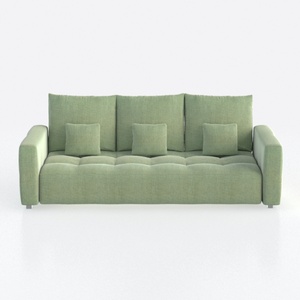
Minimalist Green Fabric Tufted Three Seat Sofa 3D Model

Minimalist Sage Green Fabric Tufted Three Seater Sofa 3D Model
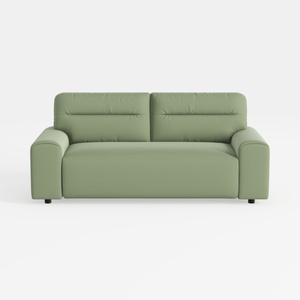
Minimalist Sage Green Fabric Loveseat Sofa 3D Model
Homestyler is your go-to home design platform, perfect for all skill levels. Enjoy its user-friendly online design tool and stunning 3D renderings, alongside a wealth of DIY video tutorials and design projects to inspire your creativity. Transform your space today!
Design Now for FREE
































