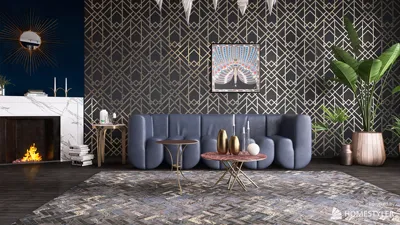


When designing a small room for an uncle, who may be a mature or elderly individual, I take a practical approach focused on optimizing circulation, maximizing comfort, and creating a space that adapts to changing needs. In compact areas, each square inch must be utilized effectively, from the arrangement of the bed and storage solutions to the quality of light and sound.
The importance of good lighting and thoughtful ergonomics often outweighs the appeal of extravagant decor. The WELL v2 standards advocate for a combination of ambient, task, and accent lighting to cater to circadian rhythms and enhance visual comfort; reading is best supported with task lighting levels between 300-500 lux, while ambient lighting can be softer for relaxation. Research by Steelcase shows that elements such as lighting, ergonomics, and noise have a direct impact on wellbeing and performance, a principle I always apply in residential designs, not just in office environments. For a small room suited for an uncle, this translates into a glare-free reading nook, dimmable ambient lights, and unobstructed pathways. For more insights on multi-layer lighting and occupant health frameworks, explore resources available on wellcertified.com.
Utilizing color psychology can significantly improve mood and restfulness. VerywellMind highlights that shades of blue and soft greens are linked to calmness and stability, whereas warm neutrals provide a comforting atmosphere. I usually select a low-saturation wall color, like a muted blue or dusty sage, paired with warmer lighting (2700-3000K) to foster a soothing nighttime environment. It’s best to choose matte finishes to minimize glare, especially for individuals who wear reading glasses.
Optimizing the Layout for Comfort and Mobility
In small spaces, circulation is key: aim for at least 30-32 inches of unobstructed path from the entrance to the bed and from the bed to an en-suite bathroom. Arrange the bed with the headboard against a solid wall, leaving a gap of at least 18-24 inches on one side for easy access. If considering different setups—like a single bed against the wall versus a small double centered—using a room layout tool like Homestyler can effectively visualize clearances and furniture arrangements.
Selecting the Appropriate Bed and Mattress Size
In compact bedrooms, a twin XL (38" x 80") mattress allows for maximum floor space while accommodating taller individuals. A full-size bed (54" x 75") is feasible only if you ensure safe circulation space is maintained. Choose sleeker bed frames over bulky styles; simple upholstered or wooden headboards are more suitable. Consider using lift-up storage bases or drawers under the bed to keep seasonal items organized without needing additional cabinetry.
Ergonomics: Seating Height and Comfort
If your uncle enjoys reading, incorporate a comfortable lounge chair with a seat height of 17-19 inches, a supportive cushion, and armrests for added assistance. The side table should ideally be 1-2 inches lower than the chair’s arms for optimal ergonomic access. Position reading lamps so that the bottom of the lampshade aligns with eye level when seated. For writing or hobbies, a compact desk at a height of 28-30 inches coupled with a task chair featuring lumbar support is ideal.
Lighting Layers and Glare Reduction
Incorporate three types of lighting: ambient (from ceiling fixtures or cove lights), task (for reading or working), and accent (for highlighting artwork or soft backlighting behind the headboard). Utilizing dimmable warm-white LEDs (2700-3000K) can aid in evening relaxation; look for bulbs with a 90+ CRI to ensure true color representation and minimize visual fatigue. Consider adding light-filtering window shades if the room has a window to better regulate daylight.
Calming Colors and Durable Materials
Selecting wall colors in soft blues, greens, or warm taupe encourages a sense of tranquility. Integrate durable and tactile materials; wool blends for throws provide warmth, an upholstered headboard adds comfort, and round-edged furniture minimizes injury risks. Using low-VOC paints and formaldehyde-free plywood can enhance indoor air quality. Ensure a medium-pile rug is placed for acoustic comfort and soft touch, secured with non-slip backing.
Effective Storage Solutions
Vertical storage is key to maintaining clear floors. Consider installing a narrow wardrobe (20-22 inches deep) with full-extension drawers. Floating shelves positioned above desk level create an illusion of space while keeping depth limited to 8-10 inches for books and minimal decor. Utilize pull-out baskets for items like medications or hobby supplies, clearly labeled and easily accessible at waist height.
Ensuring Acoustic Comfort and Privacy
Sound control in small rooms is frequently understated. Incorporating upholstered furniture, area rugs, fabric curtains, and wall-mounted acoustic panels can help to minimize echoes. Install solid-core doors and weatherstripping to diminish sound transfer, especially in shared living situations. Using a white-noise machine or a low fan can help mask disruptive noises at night.
Safe Pathways and Nighttime Support
Place nightlights along the corridor leading to the bathroom, preferably motion-activated with a gentle light output to avoid disturbing sleep. Ensure electrical outlets are positioned within easy reach and steer clear of placing extension cords in walking paths. Utilize furniture with rounded edges and tuck away loose cabling behind desks and beds for safety.
Personalizing While Avoiding Clutter
In small settings, curation is crucial. Select a few significant photographs, travel keepsakes, or framed items to display on one wall. A picture ledge offers a way to rotate art without damaging the walls. Keep small trinkets contained on a tray to reduce visual chaos.
Window Treatments for Thermal Comfort
Layer window coverings with sheer shades to diffuse light during the day and blackout curtains for restful sleep. Choose thermal-backed drapes if the room faces harsh sunlight or cold drafts. Position the bed away from direct drafts, as a solid wall headboard enhances both thermal comfort and psychological reassurance.
Integrating Small Tech Convenience
Consider incorporating a USB-A/C charging hub within the nightstand; you might also add a smart plug for lamps that can be controlled via voice or mobile app. Dedicate a charging tray for hearing support devices or smartphones to keep cables organized and untangled.
Examples of Small-Room Layouts
Layout A (twin XL against wall): position the bed along the longest wall, place the wardrobe opposite, situate the desk near a window for natural light, and a chair in the corner next to a task lamp. Layout B (full bed centered): maintain 24-inch clear pathways on either side, opt for wall-mounted sconces to maximize nightstand space, position the wardrobe on the shorter wall, and set up a compact desk with a floating shelf above.
Final Touches
Introduce greenery with a low-maintenance plant such as a ZZ or pothos to enhance air quality and add visual freshness. Thoughtfully select fragrances—like lavender pillow mist at night and citrus scents during the day. A soft throw at the foot of the bed can also provide warmth as needed.
Frequently Asked Questions
Q1: What is the best bed size for a very small room?
A twin XL (38" x 80") maximizes floor space while providing extra length. If selecting a full bed, verify that at least 24 inches of clearance is maintained on either side for ease of movement.
Q2: How bright should reading lights be?
Typically, a focused task lamp that achieves a brightness of 300-500 lux is suitable for reading, complemented by dimmable ambient lighting for overall relaxation (per WELL v2 guidelines).
Q3: Which paint colors aid in enhancing restfulness?
Soft hues of blue, green, and warm neutrals are associated with calmness and emotional stability; opting for matte finishes helps to minimize glare.
Q4: What can I do to enhance acoustics in a small room?
Incorporate a rug, upholstered furniture, fabric drapes, and potentially wall panels with soft textures. Utilize weatherstripping on doors to decrease noise transfer from other areas.
Q5: What is the safest type of storage for older occupants?
Position frequently accessed items at waist to chest height in drawers or baskets, avoiding overhead storage. Full-extension drawers help ensure that items are easily identifiable and reachable.
Q6: Are wall sconces preferable to table lamps in small rooms?
Absolutely; wall sconces free up valuable nightstand space and provide regulated, glare-free illumination. Opt for adjustable shades and warm-white bulbs (2700-3000K) for optimal results.
Q7: How can I efficiently plan the layout?
Begin with establishing clear pathways—aim for 32 inches if feasible from the door to the bed—and utilize a layout simulation tool such as Homestyler to ensure furniture fits comfortably within the space.
Q8: What chair style assists with standing for older occupants?
A lounge chair with arms, a firm cushion, and a seat height of 17-19 inches promotes ease of standing, beneficial for aging individuals.
Q9: How can I incorporate personal touches without clutter?
Utilize a picture ledge for displaying rotating photos, confine small keepsakes to a curated tray, and limit decorative items to a select few meaningful pieces on each surface.
Q10: What kinds of window treatments effectively balance light and sleep?
Combine sheer shades for diffused light during the day with blackout curtains for nighttime use. Thermal-backed curtains increase comfort against temperature fluctuations.
Q11: Is warm or cool lighting more advantageous?
Warm-white lighting (2700-3000K) is ideal for evening relaxation; during the day, neutral or slightly cooler light near the workspace is beneficial, provided glare is minimized.
Q12: What quick improvements can I make if I’m renting?
Install plug-in sconces, high-CRI LED bulbs, a non-slip rug pad, and modular storage solutions. These enhancements are reversible and efficient space savers.


Giantex Twin Over Twin Bunk Bed, Solid Wood Bunk B

Minimalist Corduroy Upholstered King Size Platform Bed 3D Model
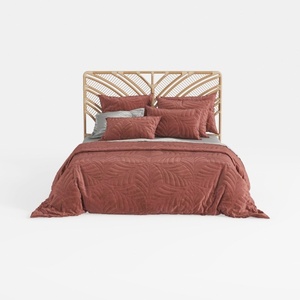
Rattan Boho Bed with Velvet Bedding 3D Model
Homestyler is your go-to online platform for home design! With its user-friendly design tool, stunning 3D renderings, and a plethora of DIY video tutorials, transforming your space has never been easier. Explore innovative projects and unleash your creativity today!
지금 무료로 디자인하세요
































