

Designing an air-conditioned convention hall requires a careful balance where capacity goals do not compromise comfort, efficient circulation, or acoustic clarity. From my extensive experience in planning large venues, three key metrics are vital for success: effectiveness of air distribution, the ratio of seating to circulation space, and the clarity of speech. The WELL v2 Air standard highlights the importance of keeping CO₂ levels between 800 and 1000 ppm and ensuring sufficient ventilation, both of which are crucial for optimal cognitive performance and overall attendee satisfaction. Additionally, the Illuminating Engineering Society (IES) recommends maintaining an illuminance level of 300 to 500 lux in multi-functional assembly spaces while providing glare control to facilitate note-taking and enhance stage visibility. These parameters inform many design decisions ahead.
On the human aspect, the design of layout and ergonomic seating significantly influences attendee behavior and comfort. Research by Steelcase shows a strong link between the variety of postures available and the ability to move freely, which enhances focus during lengthy sessions. Implementing an aisle strategy of 36 to 48 inches can provide a sense of autonomy and reduce fatigue during transitions. For areas focusing on the stage, it is advisable to maintain a 30 to 35-degree vertical viewing angle to ensure optimal sightlines without causing neck strain, a guideline backed by commonly accepted auditorium ergonomics. When evaluating seating capacities, I aim for clearances of 0.5 to 0.6 meters per seat in theater configurations and 1.5 to 1.8 meters per attendee for workshop settings, ensuring comfort and safe egress.
Establishing Spatial Intentions First
To begin the design process, I define the main functional modes such as keynote presentations, breakout sessions, expos, banquets, and hybrid events. Each function necessitates unique ratios concerning audience circulation, stage area, and support spaces. For keynote events, the seating footprint should comprise 65 to 70%, circulation areas 20 to 25%, and staging along with technical support approximately 10 to 15%. If breakout sessions are anticipated, more flexible zones and wider corridors are essential to manage foot traffic efficiently. Before finalizing furniture selections, using a room layout tool like Homestyler for a quick simulation can help validate seating arrangements, circulation routes, and other spatial elements, ensuring an effective design.
HVAC Design to Complement Occupancy Trends
Creating an efficient space is not just about the density of seating; it is equally important to guarantee comfort levels during peak attendance. I typically advocate for displacement ventilation or low-velocity diffusers situated at floor level within large halls, as these methods help minimize draughts and improve air stratification, especially important when stage lights generate additional heat. It is prudent to aim for temperature settings between 20 to 24°C and a relative humidity of 40 to 60% for optimal thermal comfort. Moreover, positioning return grills away from the stage area aids in preventing noise interference. For venues with ceiling heights exceeding 8 to 10 meters, destratification fans can help balance temperature differences. Implementing demand-controlled ventilation linked with CO₂ sensors is wise to maintain acceptable concentration levels without oversupplying air during less attended sessions.
Seating Layouts that Acknowledge Human Factors
For keynote-style seating, I implement a row spacing of 900 to 1000 mm with a seat width range of 500 to 560 mm, ensuring that the main aisles are at least 1100 to 1200 mm wide for efficient two-way movement. To facilitate egress and minimize disruptions caused by late arrivals, the row should include cross-aisles every 8 to 10 seats. In workshop formats, providing 1500 to 1800 mm between table centers allows for comfortable navigation and effective cable management. Banquet rounds typically cater to 8 to 10 people, but in more tightly arranged rooms, capping this at 8 helps maintain an organized spatial flow and aids serving access. To maintain clear sightlines and crisp acoustic quality, the first row should be positioned 2 to 2.5 times the stage height from the front edge of the stage.
Stage, Audio-Visual, and Sightline Strategies
When determining stage height, it is essential to consider the eye level of the furthest viewer. For a larger venue with a throw distance of 25 to 30 meters, a stage height between 600 to 900 mm usually provides clear visual access without uncomfortable viewing angles. It is advisable to avoid screens with widths exceeding 1/6 to 1/7 of the viewing distance per screen, maintaining a bottom image height of 1.2 to 1.5 meters above the finished floor. If cameras are in use, reserve a tech platform that is 2 to 3 meters deep and centered two-thirds back from the stage. It is also important to isolate projectors or LED walls from return air paths to reduce the risk of dust and heat recirculation. Finally, preplanning cable pathways in-floor boxes set at 4 to 6 meter grids is crucial for organization.
Lighting for Versatility: Illuminance, Color Temperature, and Glare
A well-layered lighting strategy accommodates various programming needs. It is recommended to maintain house lighting around 300 to 500 lux on horizontal surfaces used for note-taking during sessions, allowing for dimming to 30 to 50 lux during presentations to help keep audience focus without the risk of trips. Lighting for the stage should ideally reach 750 to 1000 lux with a color temperature between 3000 and 3500°K to enhance natural skin tones. Back-of-house and preparation areas may run at cooler temperatures (3500 to 4000°K) to ensure good visibility. To reduce direct glare, keep the Unified Glare Rating (UGR) low by using shielded downlights with appropriate beam spreads. Implementing separate circuits for aisles and steps with low-level lighting markers, as well as DMX or DALI control systems for seamless transitions, can greatly enhance the atmosphere. Additionally, integrating high-CRI fixtures (90+) is beneficial for showcasing products effectively.
Acoustic Comfort: Clarity Without Echo
In venues with hard surfaces and high volumes, speech intelligibility can suffer dramatically. I aim for an RT60 of 1.0 to 1.5 seconds for events emphasizing speech, utilizing a blend of acoustic ceiling clouds, wall panels designed for frequencies of 500 to 2000 Hz, and sound-absorbing seating finishes. Employing distributed line arrays helps achieve even sound levels throughout, while delay speakers aligned with the mains minimize issues arising from comb filtering. Keeping mechanical noise below NC 30 to 35 is crucial for comfort. If partitions are being used for breakout sessions, adding seals and mass-loaded vinyl to operable walls can greatly improve sound isolation, and designing buffer zones such as storage or technical areas can further mitigate sound transfer.
Circulation, Wayfinding, and Behavioral Flow
The efficiency of a space is significantly affected by how smoothly people can move through it. I design primary corridors to accommodate 1:50 of the occupant load, with a minimum width of 1800 to 2400 mm for two-way traffic. Separate service pathways for catering and AV help to keep equipment trolleys from intersecting guest routes. Entrances should facilitate the distribution of attendees to multiple aisles, preventing overcrowding in a single central path. Thoughtful use of color psychology can also help; cooler tones like blue and green in transition areas can create a sense of spaciousness, while warmer accents near food and beverage points encourage lingering. Clear visual hierarchy is essential: establishing visible entry portals, numbered aisle markers, and high-contrast signage positioned at 2 to 2.2 meters above floor level greatly enhances navigation.
Durable and Efficient Furniture and Material Selections
Opt for stackable, lightweight seating that incorporates ganging features and silent glides, and select tables that feature flip-tops and casters for fast transitions. Choosing low-VOC materials and finishes can help meet wellness standards and minimize odor accumulation in climate-controlled areas. Use dense carpet tiles or hybrid acoustic underlays beneath vinyl to effectively reduce footfall noise while remaining easy to clean. Installing edge guards on stage platforms and protecting corners at entry points can extend the lifespan of furniture in high-traffic environments.
Power, Data, and Hybrid Event Preparedness
Prepare for extensive power availability through in-floor power boxes set at 4 to 6 meter intervals, perimeter power strips, and dedicated supply for cameras. For critical streaming, wired Ethernet connections surpass Wi-Fi in reliability; establishing a robust AV VLAN and alternative routes is advisable. Creating a back-of-house control room with a direct sightline to the stage and sound isolation is also vital. For hybrid events, ensuring dedicated rehearsal spaces that mirror the main stage's AV system can help to mitigate any surprises on the event day.
Energy and Operations: Intelligent Efficiency
Prioritizing energy efficiency complements attendee comfort. Implement occupancy sensors that can adjust ventilation and lighting in lesser-used areas. Zonal control allows for targeted pre-cooling, enhancing efficiency and comfort alike. Integrating high-MERV filtration in harmony with fan energy, along with regular maintenance of coils to ensure unobstructed airflow, is essential. Additionally, features such as automatic door closers can assist in preserving the controlled environment and reducing AC load.
Layout Testing and Visualization
Prior to finalizing procurement, I simulate various configurations—such as for keynotes, banquets, and expos—to verify capacities and sightlines. A capable interior layout planner, like Homestyler, allows for rapid modeling of seating density, aisle widths, stage setups, and even the effects of lighting, enabling efficient adjustments to the design.
Case-Based Design Ratios to Start With
- For theater-style keynotes: allocate 65-70% for seating, 20-25% for circulation, 10-15% for stage/back of house; utilize row spacing of 900-1000 mm with main aisles of 1100-1200 mm; position the first row at 2-2.5 times the stage height.
- For workshops: space tables at 1.5-1.8 m centers, maintain 1200-1500 mm aisles, and include acoustically absorbent pin-up zones.
- For expos: allow minimum aisles of 3-3.5 m, use a 6-9 m grid for booth power requirements, and maintain higher illuminance (500-750 lux) with cooler color temperatures for accurate color rendering.
- For banquets: use 60-inch round tables seating 8, with service lanes spanning 1.8-2.1 m; lower ambient lighting (200-300 lux) combined with warm accent lighting is recommended.
FAQ
Q1: What is the optimal illuminance level for a multipurpose convention hall?
A1: Maintain ambient lighting at around 300-500 lux for meetings (according to IES guidelines) but dim to roughly 30-50 lux during presentation times. Stage lighting should ideally be around 750-1000 lux with warm color temperatures for natural skin tones.
Q2: How can air quality be sustained during quick occupancy surges?
A2: Implement demand-controlled ventilation systems that respond to CO₂ levels to maintain concentrations within WELL v2 guidelines of 800-1000 ppm. Adequate outside air should be introduced, using low-velocity diffusers or displacement systems to prevent uncomfortable draughts.
Q3: What are the recommended aisle widths for efficient and comfortable transitions?
A3: Main aisles should be 1100-1200 mm wide for smooth two-way traffic; including cross-aisles every 8-10 seats supports easier access. For expos, expanding aisle widths to 3-3.5 m accommodates cart traffic and crowd fluctuations effectively.
Q4: How can reverberation be controlled for clear audio?
A4: Aim for an RT60 reverberation time between 1.0-1.5 seconds utilizing acoustic clouds, appropriate wall paneling tuned for speech frequencies, and sound-absorbing seating options. Utilize distributed speaker systems with time-aligned delays for consistent sound delivery throughout the venue.
Q5: What comfort-related seating dimensions should I consider?
A5: For theater layouts, plan on a seat width of 500-560 mm and row spacing of 900-1000 mm. In table settings, allow 1500-1800 mm between table centers to facilitate circulation and manage cables effectively.
Q6: How can color psychology assist with wayfinding and attendee behavior?
A6: Employing cooler colors like blue or green in corridors helps mitigate feelings of overcrowding, while warmer tones near food and networking areas encourage visitors to linger. Additionally, high-contrast signage positioned at 2.0-2.2 meters can enhance visibility and ease of navigation.
Q7: What precautionary steps can be taken to prepare for hybrid events?
A7: Invest in in-floor power and data grids, establish a dedicated AV VLAN, and ensure camera platforms afford clear sightlines. Providing a dedicated rehearsal area mimicking the main stage's AV layout helps reduce potential disruptions on the event day.
Q8: How should I determine stage height and screen positioning?
A8: For longer throw distances (up to 25-30 m), a stage height of 600-900 mm keeps sight lines clear. The bottom edge of the visuals should be positioned 1.2-1.5 m above the ground, with the screen width limited to approximately 1/6-1/7 of the viewing distance for optimal efficacy.
Q9: Which materials will support both acoustics and durability?
A9: Consider integrating dense carpet tiles, acoustic underlays beneath resilient flooring, fabric-wrapped wall panels, and low-VOC finishes. Additionally, using stackable chairs with quiet glides and protected-edge tables contributes to longevity.
Q10: How can I achieve a balance between energy efficiency and comfort?
A10: Implement zonal controls alongside occupancy sensing and CO₂ responsive ventilation to optimize resource usage. Maintain ambient conditions of 20–24°C and a humidity level of 40-60%, utilize high-MERV filters matched with appropriate fan settings, and ensure doors seal effectively to retain the conditioned air envelope.
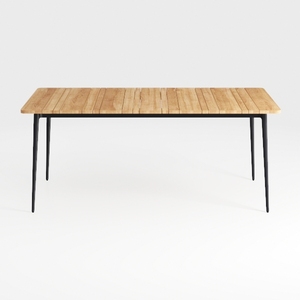
Branch Daily Desk - Functional at Home Office Desk
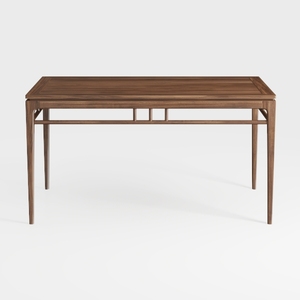
Minimalist Solid Walnut Wood Dining Table 3D Model
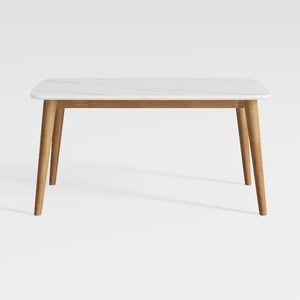

Modern Minimalist Faux Marble Solid Wood Dining Table 3D Model
Homestyler is your go-to online home design platform! With its easy-to-use design tool, stunning 3D renderings, and a wealth of design projects and DIY video tutorials, you can effortlessly create and visualize your dream spaces—even if you're new to home design!
Progetta ora GRATIS
































