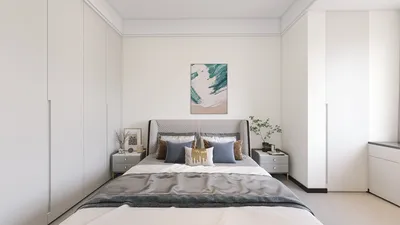


When designing a sperm donation room, I prioritize the same principles that guide my approach to any clinical setting: ensuring dignity, comfort, and a consistent quality of results. Every aspect of the design is centered around these goals. The environment must feel private, acoustically safe, calming to the senses, clinically efficient, and easy to clean. This translates into controlled lighting, a thoughtful layout, tactile comfort, and technology that operates quietly behind the scenes. Using a platform like Homestyler can aid in visualizing these elements effectively.
Two crucial data points inform my initial design decisions. Firstly, the WELL v2 standard highlights the importance of glare reduction and balanced lighting to enhance visual comfort and decrease stress levels; the Light concept of WELL v2 focuses on achieving the right illumination while minimizing circadian disruption for the well-being of individuals. Secondly, research from Steelcase indicates that auditory comfort is closely tied to perceived privacy; noise and a lack of privacy significantly detract from experiences in sensitive environments, affecting both stress and performance. These principles guide light specifications, acoustic treatments, and movement flow from the outset.
Design Goals and Spatial Considerations
My primary design goals are privacy, hygiene, and comfort. It’s essential that donors can move from the reception area to the donation room and back without feeling exposed or awkward. The room needs to be easy to clean, comfortable enough for a stay of 10 to 30 minutes, and devoid of irritating sounds or odors. Directional signs should be unobtrusive yet clear. If multiple donation rooms exist, I stagger the entries and employ offset corridors to prevent any two doors from facing each other, thereby minimizing social discomfort.
Layout Planning and Optimized Circulation
I design the room layout to alleviate anxiety: a short entry vestibule serves as a buffer from the hallway, complemented by discreet occupancy indicators. The pathway for the donor should be straightforward—providing storage for personal items, a comfortable seating option, a stable surface for handling specimens, and easy access to a pass-through cabinet leading to the lab or collection area. For clinics needing diverse room configurations, using a layout simulation tool, similar to an interior layout planner, enables effective testing of furniture arrangements, door orientations, and sightlines prior to construction—they can even incorporate tools like Homestyler for aesthetic decisions.
Acoustic Privacy and Sound Control Measures
True auditory privacy is paramount. I recommend wall assemblies rated STC 55 or higher whenever possible between rooms and common areas, employing acoustic seals for doors and incorporating sound-absorbing finishes within the room to minimize reverberation, targeting RT60 levels near 0.3 to 0.4 seconds for smaller spaces. A soft, broad-spectrum sound masking element in nearby hallways further enhances privacy. It’s also essential to place HVAC diffusers away from the walls to prevent sound flanking, while plumbing installations should be isolated to avoid disruptive pipe noise.
Lighting Strategy: Soft, Glare-Free, and Adjustable
Effective lighting design necessitates three levels: ambient, task, and optional accent lighting. My target for ambient light is around 150-200 lux with a warm-neutral color temperature between 2700-3000K to mitigate clinical harshness and avoid stimulating circadian rhythms during evening hours, aligning with WELL v2 guidelines. I also recommend a low-glare task light offering 300-500 lux at the counter, with a high color rendering index for accurate specimen labeling. Allowing donors to adjust brightness is crucial, as is avoiding direct downlighting directly over seating; instead, indirect wall-wash or cove lighting should be used to soften contrasts and prevent any feelings of self-consciousness.
Understanding Color Use and Material Selection
Choosing muted, desaturated colors like sage, warm gray, and soft blues helps foster calmness and minimize arousal. Any color accents should be intentionally limited and positioned lower on the walls to maintain a serene upper visual space. Opt for non-porous materials such as solid-surface counters, high-pressure laminates with antimicrobial finishes, and seamless resilient flooring for easy sanitation. Fabrics should either be bleach-cleanable or possess a soft touch through coating. To counteract clinical sterility, I add warmth through wood-look laminates or real wood finishes treated for hygiene.
Understanding Human Factors, Ergonomics, and Furnishing
Proportion is key. The room needs to feel balanced, neither cramped nor excessively spacious. A clear size of around 6-8 m² (65-85 ft²) is required for individual rooms with a vestibule; this can be expanded if a private restroom is incorporated. A comfortable lounge chair with armrests, with a seat height between 17-19 inches, is essential, along with a small table at 28-30 inches for paperwork and a higher counter (36 inches) for container handling and transfer. Hooks at varied heights accommodate various statures, and I also recommend a footstool for added comfort. Sightlines from the chair should create a feeling of control; mirrors should be avoided across from seating to reduce self-awareness. Good ergonomic design minimizes fidgeting and expedites the visit, appreciated by staff.
Odor Management, HVAC, and Comfort Levels
Thermal comfort targets a range of 22-24°C (72-75°F) while maintaining minimal air velocity to prevent drafts. Implementing a dedicated ventilation system or inline fan with low noise levels ensures fresh air circulation without audible disturbances. Utilize carbon filtration in the exhaust for spaces adjacent to sensitive areas. Neutral air is the preferred scent environment, and if a restroom is attached, ensure its ventilation is completely isolated and slightly negative in relation to the primary room.
Enhancing Workflow, Security, and Sample Handling
Design should facilitate a smooth and dignified transition from donor to lab. Incorporating a lockable dual-door pass-through cabinet with an occupancy indicator allows staff to retrieve samples without entering the room. Integrating a bar-code or QR labeling station, a wipeable writing surface, and a clearly marked drop area is essential. Task lighting with a CRI above 90 ensures accuracy in reading labels. Media displays or any optional tech should be electrically isolated on GFCI-protected circuits, employing a tamper-resistant outlet layout and organized cabling to keep clutter at bay.
Digital Solutions for Distraction Without Disturbance
If client policies permit, a small wall-mounted screen can provide distraction through headphone connectivity; prioritize personal devices to support user experience. Alternatively, for facilities that prefer to avoid screens, curated reading material stored in concealed niches can keep visual noise low.
Sanitation Practices and Minimizing Touchpoints
Implementing hands-free fixtures wherever feasible is critical: sensor-operated faucets in restrooms, lever handles, or low-torque privacy latches, along with touchless waste bins. Rounded edges and corners facilitate cleaning, and deep textures or unnecessary seams should be avoided. Cleaning supplies should be stored outside the room, keeping only disinfectant wipes inside for quick surface cleaning between donors, following clinic protocols.
Lighting Controls, Power Accessibility, and Safety Considerations
A straightforward three-scene preset is recommended: bright for entry, dim and warm for occupied status, and focused light for tasks at the counter. A wall control station with clear symbols minimizes cognitive load. Emergency egress requirements must be met while maintaining a visually easy experience through indirect illumination. Employ low-glare, sealed lighting fixtures rated for healthcare use to streamline maintenance.
Signage, Wayfinding, and Maintaining Discretion
Utilize neutral, coded signage in place of explicit labels. Corridor indications should be minimal, continually utilizing uniform door hardware and subtle occupancy indicators. The compact entry vestibule serves as both an acoustic and visual barrier, allowing donors to compose themselves before merging back into circulation.
Multi-Room Configurations and Staff Connectivity
For operations featuring multiple donation rooms, position them along a quiet corridor away from the reception area. Staff zones and processing labs should be closely adjacent yet acoustically separated. Offsetting door locations ensures there are no direct sightlines between donors. A compact staff area for specimen intake just behind the pass-through wall minimizes handling time and reduces the likelihood of errors.
Sustainability and Maintenance Considerations
Selecting durable, low-VOC finishes decreases the need for rework and enhances indoor air quality. Choose LED lighting with high efficiency and warm color temperatures, alongside replaceable driver systems for sustainable longevity. Whenever possible, incorporate rapidly renewable materials or recycled content that do not compromise cleanliness. Simpler constructions facilitate quicker transitions between donors while alleviating staff burden.
I reference the WELL v2 standard for guidance on visual comfort and occupant health in small, sensitive spaces and utilize Steelcase research on privacy and acoustic comfort to support investments in sound isolation. These foundational elements help stakeholders recognize that dignity and performance are closely intertwined with measurable design strategies.
Implementation Checklist for Design Objectives
- Privacy-first layout with entry vestibule and staggered door sightlines.
- Wall and door assemblies rated to STC 55+; door seals and corridor sound masking.
- Ambient lighting at 150–200 lux with 2700–3000K; dimmable lighting and a low-glare task light at 300–500 lux.
- Warm, muted color palette; surfaces that are non-porous and bleach-cleanable.
- Ergonomically designed seating (17–19 inches in height), multi-height hooks, and stable counters at 36 inches.
- Neutral air with a quiet exhaust system; target temperatures of 22–24°C, with minimal drafts.
- Lockable pass-through cabinet, labeled drop zone, and bar-code-ready surfaces.
- Hands-free fixtures where possible; rounded edges and simplified seams for easy cleaning.
- Discreet signage, occupancy indicators, and minimal cues in hallways.
- Sustainable and maintainable finishes; LED lighting with a high CRI and serviceable components.
Frequently Asked Questions
Q1. What is the ideal brightness level for a sperm donation room?
Aim for ambient lighting of 150–200 lux with a warm-neutral color temperature from 2700–3000K to minimize glare and stress, plus a focused task light in the range of 300–500 lux at the counter. This is consistent with the comfort guidance presented in WELL v2.
Q2. What are the critical acoustic benchmarks for privacy?
Design to achieve STC 55+ between the room and adjacent areas; seal doors acoustically and introduce sound masking. Maintain room reverberation around 0.3-0.4 seconds to avoid intelligibility.
Q3. Should a restroom be part of the design?
Inclusion can be advantageous for certain operations. If a restroom is added, ensure its exhaust is completely isolated and maintains slightly negative pressure concerning the main room, allowing for a direct and discreet handoff path to the pass-through cabinet, preventing circulation conflicts.
Q4. What colors help minimize anxiety without appearing overly clinical?
Calming shades such as muted greens, soft blues, and warm grays with low saturation can promote tranquility. Keep high-chroma accents to a minimum and ensure upper walls and ceilings remain visually quiet to lower arousal levels.
Q5. How do we select materials that are hygienic yet comfortable?
Utilize non-porous and bleach-cleanable surfaces (like solid surfaces, HPL, or coated fabrics) paired with warm textures such as wood-look laminates. Minimize seams and consider rounded edges to facilitate quicker cleaning.
Q6. What layout elements can enhance donor dignity?
Incorporate features like a small vestibule, staggered doors, subtle occupancy indicators, well-defined furniture zones, and a secure pass-through cabinet to eliminate potential awkward encounters and streamline workflow.
Q7. Are dimmable lights essential for the space?
Absolutely. Providing users with control over lighting contributes to a calming environment. Implement at least three light settings—bright for entry, dim for relaxation, and focused for tasks for easy operation.
Q8. How do we manage odors within the room?
Implement a quiet dedicated exhaust, aim for neutral scents, and isolate the restroom's ventilation. Employ carbon filters and effective dilution ventilation to ensure a fresh atmosphere without introducing unnecessary fragrances.
Q9. How can we integrate technology seamlessly?
Provide secure power sources for personal devices and consider a small display with headphone connections if permitted by policy. Ensure cable paths are concealed and that hardware is tamper-resistant.
Q10. What is the recommended size for the room?
A single-user room with a vestibule should ideally be around 6-8 m² (65-85 ft²) to accommodate seating, storage, counters, and pass-through. Increase the size for additional features like a restroom.
Q11. What standards or research can we present to stakeholders?
Utilize WELL v2 for guidance related to lighting and comfort, and reference Steelcase research concerning the significance of acoustic privacy and performance impacts. These serve as defensible, human-centered standards.
Q12. Can we prototype the layout prior to construction?
Certainly. Implement tools for room layout simulations to test furniture configurations, door swings, and sightlines. These tools, like interior planners or resources like Homestyler, facilitate effective visualization before construction.
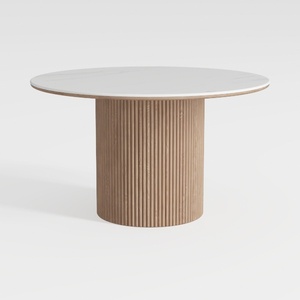
Minimalist Fluted Solid Wood Marble Top Round Dining Table 3D Model

Modern Cane Metal Frame Dining Chair 3D Model
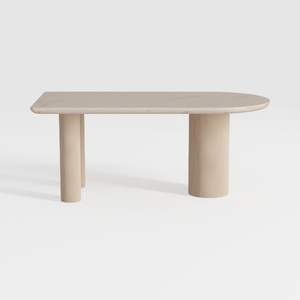

Minimalist Solid Wood Fluted Legs Asymmetrical Coffee Table 3D Model
Homestyler is an outstanding online home design platform perfect for all skill levels. With its user-friendly design tool, impressive 3D renderings, and a plethora of DIY video tutorials and design projects, transforming your space has never been easier or more enjoyable!
Design Now for FREE
































