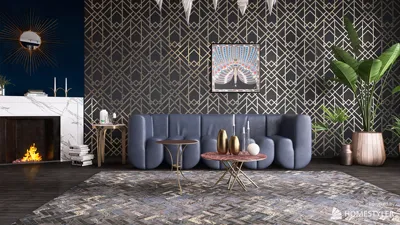


When designing a living room that exudes calmness while maintaining character, light blue is my go-to color choice. A light blue sofa acts as the centerpiece, bringing a refreshing and airy vibe that harmonizes beautifully with natural light and layered textures. Research in color psychology suggests that shades of blue foster relaxation and mental clarity; Verywell Mind reports that these hues are linked to serenity, helping to lower heart rates and reduce feelings of anxiety, thus making it a fantastic option for unwinding at the end of the day. This hue provides a visual breath of fresh air when paired with materials like wood or stone, promoting a curated look rather than an overly decorated space, and integrating tools like Homestyler can bolster your design vision.
Comfort is quantifiable, not just a subjective feeling. According to WELL v2, achieving proper brightness and control of glare is essential for promoting well-being. In living spaces, it’s recommended to maintain ambient lighting levels between 150–300 lux for general tasks and layer with task lighting set at 300–500 lux in reading areas to help prevent eye strain. Combining a light blue sofa with warm lamp temperatures between 2700–3000K achieves a balance between the coolness of the upholstery and a cozy ambiance. Dimmable circuits further allow the setting to transition from bright daytime light to a soft evening glow, aligning with the environmental quality benchmarks suggested by WELL v2.
Set the Palette: Achieving Calm without Coldness
While light blue feels fresh, it can also come off as cold in overly stark contexts. To create an inviting space, I use warm woods, off-white walls with a touch of cream, and various textural elements like boucle throws, nubby linen cushions, and hand-tufted wool rugs. Introducing a grounding accent, such as charcoal, espresso, or muted terracotta, adds depth and prevents the design from appearing flat. It's effective to keep patterns subtle—think pinstripes, micro-geometrics, or soft botanical prints in hues like sand and slate—which will allow the eyes to flow gently around the room.
Plan the Layout: Ensuring Flow and Comfort
A well-designed living room should facilitate easy movement. I recommend maintaining a circulation space of 30–36 inches around sofas and key pathways, with 16–18 inches between the sofa and coffee table to ensure comfort. It’s essential to keep main walkways unobstructed and orient seating toward focal points—be it a fireplace, large window, or media wall—while still maintaining angles conducive to conversation. To experiment with different arrangements, utilizing a room layout tool can help visualize distance, flow, and sightlines prior to selecting significant furniture pieces.
Lighting Strategy: Layering, Dimming, and Glare Control
Think of lighting as a layered composition: ambient (overhead lighting or sconces), task (floor or table lamps), and accent (picture lights or LED strips) all work together to craft the room’s mood. It’s vital to position light sources below eye level in seating areas to minimize glare and consider placing a shaded floor lamp next to your light blue sofa for focused reading. Should you have expansive windows, sheer drapes can softly diffuse daylight, while textured roller shades help control contrast. Choosing warm lamps (2700–3000K), high color rendering indexes (90+), and matte finishes on reflectors enhances the richness of the blue upholstery, avoiding any harshness in light based on quality practices highlighted in WELL v2.
Materials and Texture: Adding Warmth to Coolness
To balance the coolness of blue, I emphasize tactile warmth through the use of oak or walnut, natural fiber rugs like jute or wool blends, and plush upholstery in accent chairs. Opt for a sofa fabric featuring a subtle weave—such as heathered or basketweave—to effectively mask everyday creases. Incorporating matte ceramics, brushed brass, and aged leather provides a lived-in aesthetic. For sustainable choices, consider using FSC-certified wood along with water-based finishes, contributing positively to air quality and minimizing VOCs, all while adhering to wellness objectives without compromising on style.
Color Combinations that Always Work Well
• Soft neutrals like sand, cream, and mushroom for a gentle touch • Deep slate, charcoal, and ink accents to create contrast and depth • Warm muted terracotta or rust for added warmth • Biophilic green tones like sage or eucalyptus for a serene presence • Soft blush to add subtle warmth next to the cooler base tone Remember to keep metallics minimal, with brushed brass or aged bronze to ensure a soft glow against the light blue.
Proportions, Rhythm, and Visual Harmony
Proportionality plays a crucial role in aesthetic appeal. A 7–8 ft light blue sofa works well with a 48–54 inch coffee table; ideally, the table should be 1–2 inches lower than the sofa seat for ease of access. For spaces with lower ceilings, keep tall furniture narrow while emphasizing horizontal lines; in contrast, if ceilings are high, utilize taller bookshelves or oversized artwork to ground the vertical space. Establish rhythm through repetition: reflect the sofa’s color in a couple of smaller items—like pillows on an accent chair and a stripe in a rug—creating a cohesive look.
Acoustic Comfort: The Importance of Silence
Open floor plans can amplify noise levels. Soft materials, such as upholstery, curtains, and rugs, serve as sound absorbers, while bookshelves with staggered content can break up sound reflections. Position the sofa so that dialogue travels directly to the listener to minimize echo, and consider a fabric-lined console or upholstered ottoman to help absorb mid-frequency sound. Aim for a mix where around 30-40% of visible surfaces are soft or textured, especially in bustling households.
Styling the Sofa: Creating a Collected Look
Begin with a trio of pillows: one in a textured neutral, one featuring a subtle pattern, and a third in a deeper shade of blue or rust for visual interest. A weighted throw, such as a cashmere blend or chunky knit, draped over an arm adds coziness. A low-profile coffee table allows for unobstructed sight lines; keep it styled with a tray, a unique sculptural piece, and a collection of books to avoid clutter. Introducing greenery—such as an olive tree, rubber plant, or seasonal branches—injects life and complements the overall color palette.
Tactics for Small Spaces
Opt for a bench-seat sofa with slim arms to maximize seating space. Slightly float furniture away from the walls to create a sense of openness, and strategically place mirrors to reflect daylight while avoiding a congested feel. Transparent or light-toned tables help maintain visual flow, and wall-mounted shelves can free up floor space. Consider using an interior layout planner to assess the cleanest movement paths and the most open view lines.
Ensuring Longevity and Ease of Maintenance
Light blue upholstery performs best with fabrics that are both durable and easy to care for. For households with children or pets, consider performance weaves that resist stains. Regularly rotating cushions helps ensure even wear, and prompt spot cleaning with gentle solutions is advised as per manufacturer guidelines. To minimize fading from sunlight, UV-filtering sheers or films can help maintain color vibrancy over time. A yearly deep clean will rejuvenate the loft of the fabrics and keep the sofa feeling fresh.
• Coastal Calm: Combine the sofa with sand-hued rugs, whitewashed oak, and woven textures; adding rope or rattan details provides a breezy touch.
• Nordic Minimalism: Maintain clean lines with black accents and soft wool throws, while utilizing pale gray tones to accentuate the blue’s vibrancy.
• Modern Classic: Incorporate materials like brass, marble, and meticulously tailored drapery, pairing with art featuring structured geometric designs to create a refined look.
• Soft Contemporary: Blend low seating, organic ceramic pieces, and muted color blocks, ensuring that all hardware remains matte and streamlined for a cohesive aesthetic.
FAQ Section
Q1: How can I prevent a light blue sofa from feeling excessively cold?
A: Layer in warm neutrals (like cream or sand) and woven textures such as wool rugs and boucle pillows. Use lighting with warmth around 2700–3000K to balance the cooler tones with inviting illumination.
Q2: What size coffee table is ideal for a standard 7–8 ft sofa?
A: A coffee table measuring 48–54 inches usually pairs well; ensure it's about 1–2 inches below the sofa seat height and placed 16–18 inches away for comfort and ease of access.
Q3: Which colors can complement light blue without overwhelming it?
A: Soft neutrals, as well as dark slate or charcoal for contrast and warmth from muted terracotta. Gentle greens like sage, and small blush accents work effectively to soften the space.
Q4: What are the recommended lighting levels for a living room?
A: Aim for ambient lighting of 150–300 lux and task lighting around 300–500 lux in reading spots. Employ dimmers for added flexibility and consider shades to decrease glare, according to WELL v2 recommendations.
Q5: How can I enhance acoustics in an open living area?
A: Increase soft elements like upholstery, rugs, and drapery, and integrate bookshelves or fabric panels to disrupt sound reflections. Aim for approximately one-third of visible surfaces to be sound-absorbing.
Q6: Is a light blue sofa suitable for families with children or pets?
A: Yes, especially with performance fabrics, removable cushion covers, and regular minor cleaning. Consider UV-filtering window treatments to sustain color longevity.
Q7: How should I arrange seating for comfortable conversation?
A: Angle seating within a range of 8–10 feet for easy dialogue, ensure 30–36 inches of circulation space, and align sightlines to mutual focal points. Utilizing a layout simulation tool can help in testing designs before making purchases.
Q8: How do I style the sofa without creating clutter?
A: Use a trio of pillows in varying textures, along with a simple throw and a carefully curated coffee table featuring a sculptural object and a plant. Keeping it minimal enhances aesthetic appeal without noise.
Q9: Which materials are best paired with light blue for durability?
A: Durable options include oak or walnut, wool-blend rugs, matte ceramics, and brushed brass, which contribute warmth and textural variety while ensuring good wear over time.
Q10: Is a light blue sofa feasible in compact living spaces?
A: Certainly! Opt for sofas with narrow arms, use light-colored tables, and ensure furniture is slightly distanced from walls while strategically placing mirrors to optimize light and space perception.

Minimalist Light Blue Fabric Extra Large Sofa 3D Model

Colorful Fabric L Shaped Sectional Sofa Modern 3D Model
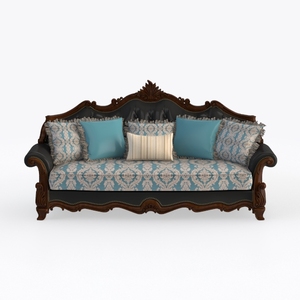
Vintage Solid Wood Leather Fabric Three Seater Sofa 3D Model
Homestyler is your go-to online home design platform! With its user-friendly design tool, stunning 3D renderings, and a wealth of interior decoration projects and DIY tutorials, transforming your space has never been easier or more enjoyable. Start designing your dream home today!
Design jetzt kostenlos
































