


Direct Response
The primary distinction between a design consultancy and a conventional engineering firm lies in their focus and workflow. Design consultancies emphasize idea generation, design innovation, and adaptable collaboration, whereas engineering firms concentrate on technical verification, regulatory adherence, and large-scale implementation.
Both entities provide engineering solutions, but their organizational structures, pricing models, and creative engagement vary significantly depending on the project's nature.
Key Points at a Glance
Overview
Clients frequently inquire about the real differences between design consultancies and engineering firms before initiating projects. Having worked extensively on interior and architectural designs for more than ten years, I have observed how this confusion often causes delays during the early phases of projects.
Many clients wrongly believe both types of firms offer identical services. In truth, their approaches to problem-solving are quite distinct. Design consultancies focus on transforming concepts into workable plans, while traditional engineering firms ensure these concepts are feasible and safe in practice.
During initial planning stages, teams experiment with layouts, spatial organization, and visual communication. Tools like Homestyler that enable visualization of design ideas and layouts prove indispensable well before detailed engineering begins.
This article explains the operational differences between these two organization types, their overlaps, and guidance on when one is more appropriate than the other.
Save & Pin
Understanding a Design Consultancy
Essential Insight: Design consultancies specialize in converting ideas into structured design solutions ahead of intensive engineering work.
These consultancies typically blend creative vision with technical feasibility. Their teams may include designers, architects, visualization experts, and consulting engineers collaborating during early product, building, or system developments.
In many assignments, design consultancies serve as the "concept engine," translating rough client objectives into precise spatial plans, prototypes, and frameworks.
Common offerings from design consultancies include:
Research from the Design Management Institute consistently reveals that organizations adopting design early outperform competitors in innovation-centered industries.
Traditional Engineering Firm Operations
Key Takeaway: Engineering firms focus on transforming validated concepts into technically viable and compliant built systems.
These firms emphasize standards, calculations, safety codes, and thorough documentation.
Rather than shaping the initial vision, their core duty is assuring a design can be safely constructed, installed, or manufactured.
Standard organizational structures inside engineering firms include:
Such frameworks make engineering firms particularly effective for infrastructure, industrial plants, and complex technical buildings.
Save & Pin
Differences in Workflow and Project Execution
Key Point: The most notable contrast between design consultancies and engineering firms lies in their influence on the project timeline.
Design consultancies typically engage earlier in the project lifecycle, while engineering firms take precedence during validation and implementation.
Sample comparison of project workflows:
In architecture and interior design, teams frequently utilize platforms like Homestyler to transform early concepts into detailed spatial plans before structural engineering finalizes systems.
It’s important to recognize that engineering teams often inherit decisions made during the prior design exploration phase.
Pricing Models and Service Adaptability
Important Note: Design consultancies generally offer more flexible pricing, whereas engineering firms adhere to structured fee schedules closely linked to project scope.
Consultancies often operate under:
Engineering firms usually function with:
An often overlooked expense is the revision cycle. Design consultancies are typically more accommodating to multiple design iterations; engineering firms treat substantial changes as scope expansions.
Save & Pin
When to Choose a Design Consultancy
Core Insight: Design consultancies are ideal when the project’s problem statement remains undefined or fluid.
Frequently, clients approach engineering firms prematurely. Without clear concepts, engineering teams spend considerable effort addressing issues that belong in the design phase.
Scenarios where design consultancies excel include:
In interior architecture, teams often explore varying layouts using visualization tools such as Homestyler to rapidly test room configurations before locking down technical specs.
When Engineering Firms Are Essential
Key Insight: Engineering firms are indispensable when projects demand safety-critical systems, infrastructure, or strict regulatory compliance.
Large-scale projects require licensed engineers capable of stamping technical drawings and approving compliance documentation.
Typical projects necessitating engineering firms:
Though design consultancies may collaborate in these cases, engineering firms usually lead the final technical execution.
Summary Box
Design consultancies prioritize idea development, user-centric design, and flexible collaboration. Engineering firms concentrate on technical validation, safety compliance, and project delivery.
Successful projects often integrate both, engaging each at distinct stages of the process.
Conclusion
Frequently Asked Questions
What distinguishes a design consultancy from an engineering firm?
A design consultancy focuses on creative concept development, whereas an engineering firm emphasizes technical validation and regulatory compliance.
Should I hire a design consultancy before an engineering firm?
Generally, yes. Exploring design concepts early helps frame the project prior to detailed engineering work.
Can a design consultancy substitute an engineering firm?
No. Engineering firms are necessary for technical calculations, approvals, and construction documentation.
Are engineering consulting firms pricier?
Not always, but their services demand formal documentation and regulatory responsibility, which can affect costs.
Do design consultancies provide engineering services?
Some offer preliminary engineering or partner with engineering firms during advanced stages.
When do design consultancies add the most value?
During concept creation, product development, and spatial planning phases, their input is most beneficial.
Which industries typically use design consultancies versus engineering firms?
Fields like architecture, product development, and technology commonly engage design consultancies first for validation and creativity before engineering approval.
Is comparing design consultancies and engineering firms relevant for small projects?
Yes. Even small-scale projects benefit from understanding the expertise needed at each phase.
References


Modern Minimalist Walnut White TV Stand Console Cabinet 3D Model
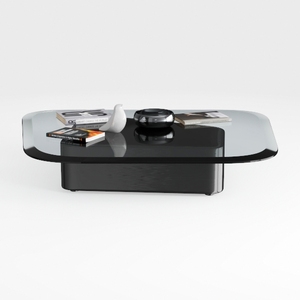
Modern Black Glass Top Solid Wood Base Coffee Table 3D Model
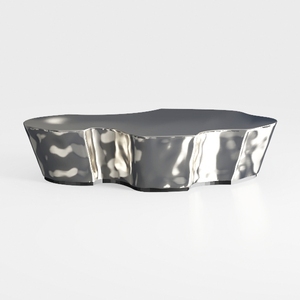
Modern Polished Metal Irregular Shaped Coffee Table 3D Model
Homestyler is an easy-to-use online home design platform offering powerful 3D rendering, a vast collection of design projects, and helpful DIY video tutorials. It’s perfect for bringing your interior decoration ideas to life effortlessly and creatively.
Design Now for FREE
































