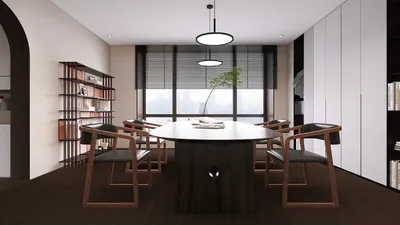


Decorative stools are essential for addressing three main challenges in living room design: they provide additional seating, serve as handy side surfaces, and add a splash of texture or color. Selecting the right stool allows it to be tucked beneath a console table, positioned alongside an accent chair, or placed near the coffee table without obstructing foot traffic. When thoughtfully designed with awareness of height, material, and location, these stools transform into powerful assets for compact spaces that feel intentional rather than haphazard.
How Decorative Stools Contribute to Living Spaces
These versatile stools fulfill three key roles: offering a place to sit, acting as surfaces for items, and contributing visually to the decor. The ideal seat height of 17–19 inches aligns well with standard sofa heights; backless versions can conveniently slide under side tables or window ledges, freeing up valuable floor space. In open-concept settings, it’s wise to opt for low-profile designs that maintain sightlines and provide visual weight without overpowering other furnishings. For instance, two drum stools can function as a makeshift coffee table, while a single ceramic stool works perfectly as a stand for plants or lamps once the gathering concludes.
Selecting the Appropriate Height, Width, and Proportions
It's crucial for seat heights to correspond with surrounding furniture. Aim for stools that are within ±1 inch of the seat height of nearby sofas or lounge chairs for seamless transitions. If a stool is going to double as a side table, heights between 18–20 inches work best to match most arm heights and avoid uncomfortable stretches. For ideal proportions, consider a diameter of 12–16 inches for smaller spaces, while larger diameters of 16–18 inches are suitable for more expansive areas. Ensure that at least 24–30 inches of clear space remains behind the stools along primary paths, so they are useful rather than obtrusive.
Material Considerations: Wood, Metal, Stone, and Fabric
I choose materials to complement the room’s color scheme and sound requirements. Wooden stools add a cozy, tactile element; options like oak or walnut with a matte finish help reduce glare from harsh lighting. Powder-coated metal lends a contemporary feel and durability—especially useful in family areas. Stone or ceramic stools provide significant visual weight and contrast plush rugs, although felt pads can improve acoustics on hard flooring. Upholstered stools enhance comfort and sound absorption; opting for durable fabrics protects against stains and ensures a comfortable experience without excessive bounce.
The Impact of Color in Moderation
Stools are excellent for introducing dipped tones into a room. Vibrant reds and terracotta shades promote conversation, while soothing blues and sages create a calmer atmosphere, supported by findings from color psychology research by Verywell Mind. I often pair a neutral foundation (like wood or linen) with one accent stool in a bold color, tying it to artwork or a decorative throw. In cooler-toned living areas, warm materials like brass or earthy wood help to maintain a balanced palette without overwhelming the senses.
Design Strategies for Seamless Living Rooms
Strategic placement significantly influences the functionality of stools. Positioning a pair under a console provides overflow seating for guests; placing one beside an armchair can expand the space available for drinks and books. In compact apartments, arrange a drum stool 14–18 inches away from the front edge of the sofa, allowing it to function as a movable side surface while keeping walkways clear. To visualize layouts prior to purchasing, consider using a room design tool which helps showcase clearances and flow.
Ergonomic Considerations and User Comfort
Comfort involves more than just cushion depth—seat curvature is key. Gentle curves reduce discomfort for short sitting stints. For longer seating needs, ensure at least one stool features a supportive edge or soft covering. In family settings where stools might be used for active play, stability is paramount: opt for wider bases, test for resistance against tipping, and keep heavier ceramic or stone styles away from play areas.
The Role of Lighting and Visual Flow
Stools can affect how light is perceived throughout a room. Shiny finishes may reflect light from accent lamps; they should be placed where glare is minimized. Matte surfaces absorb light, promoting a smoother visual transition between bright and dark areas. Employ layered lighting strategies—combine task lighting (such as reading lights set at 30–50 footcandles) with ambient lighting, and opt for low-profile stools that don’t generate shadows in high-traffic zones. Maintaining visual rhythm by matching stool heights with side tables or plant stands can prevent a jarring ‘sawtooth’ effect in design.
Sound Management in Open Spaces
In open living spaces, sound can bounce excessively. Combining hard-stool surfaces with softer elements—such as rugs, curtains, and textured upholstery—can help manage sound reflections. Upholstered poufs serve as versatile sound-absorbing solutions. If utilizing primarily hard stools, consider incorporating a woven basket or felt pads to mitigate vibrations on wooden floors. This simple adjustment can greatly enhance the experience during movie nights or social gatherings.
Sustainability and Longevity
Being mindful of materials is essential. Look for solid wood from certified sources, low-VOC powder coatings, and textiles designed for longevity. Favor designs that allow for repairs, such as replaceable tops or slipcovers. If ceramic is your preference, select pieces from responsible studios; for metals, prioritize those with recycled content when possible. The focus should always be on durability—stools that can adapt from living rooms to bedrooms or entry areas over time will make a lasting impact.
Pairing Styles: From Modern to Classic
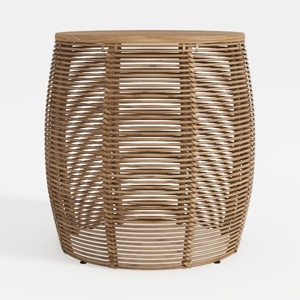
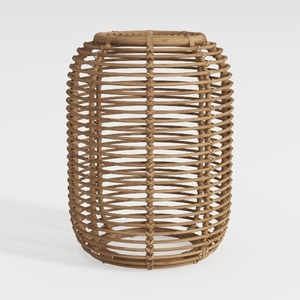
Modern designs flourish with sculptural stone or metal pieces that uphold sleek lines. A bohemian aesthetic benefits from textured rattan or carvings in wood accompanied by lively upholstery. Classic interiors harmonize with x-base or Klismos-inspired designs crafted from leather or velvet. Coastal-inspired spaces often embrace whitewashed wood, rope accents, and ceramic pieces in soft hues reminiscent of the sea. A consistent finish temperature across mixed styles helps prevent visual conflict.
Quick Revamps: Essential Combinations
• Two matching drum stools create a dynamic coffee table ideal for gatherings.
• An upholstered pouf acts as a cozy side table beside a lounge chair—place a tray atop it, clear it for guests.
• A slender metal stool can be discreetly placed under the console, emerging only when extra seating is necessary.
• A ceramic garden stool positioned near a window is perfect for plants by day and tea by night.
Budgeting and Sourcing Tips
I recommend mixing different price ranges to maintain versatility in your space. Invest in at least one timeless piece that offers durability—such as solid wood or stone—and accompany it with lighter, seasonal stools that can adapt alongside your textiles. Measure carefully before purchasing, and ensure to chart clear pathways to avoid clutter. Prioritizing quality over quantity is key—two functional stools are far more beneficial than four that impede movement.
Frequently Asked Questions
For casual seating, choose stools between 17–19 inches to correspond with standard sofa heights. If they function as side surfaces, aim for 18–20 inches to match arm heights, ensuring ease of access without awkward stretches.
Certainly—opt for a flat-topped, stable design and consider adding a tray for drinks or remote controls. Maintain a distance of 14–18 inches from the sofa’s front for convenient access.
Solid wood and powder-coated metal withstand everyday bumps effectively. Choose performance fabrics for upholstered stools to prevent stains and enhance cleanability.
Low-back or backless stools maintain clear sightlines and diminish shadow effects. Follow IES recommendations for ambient lighting around 10–20 footcandles and calibrate task lighting accordingly.
One or two stools typically suffice. Focus on mobility and maintain 24–30 inches of open space along primary walkways.
Absolutely—they can enhance aesthetic appeal. Warm shades increase sociability, while cooler hues promote tranquility. Using stools as colorful accents allows you to refresh the space without repainting.
While stability is essential, these heavier pieces should be kept away from play areas. To protect your flooring, add felt pads. For family spaces, opt for upholstered poufs or wider base wooden designs.
Soft, upholstered stools manage sound effectively, while rigid surfaces may reflect it. A balanced approach pairs hard seating with rugs and curtains to control sound reverberation.
Definitely. They are easy to reposition, fill in seating gaps, and serve temporarily for snacks or games—making them perfect for varying guest sizes.
To ensure ideal arrangements, measure stool heights, plan out clearances, and simulate placement using a room layout tool for optimal traffic flow.
Homestyler is your go-to online home design platform, perfect for all skill levels. With its easy-to-use design tool, stunning 3D renderings, and inspiring video tutorials, you can effortlessly create and visualize your dream spaces. Transform your home with confidence!
Design Now for FREE
































