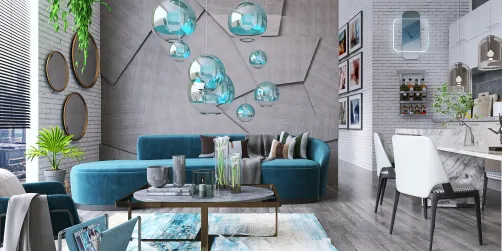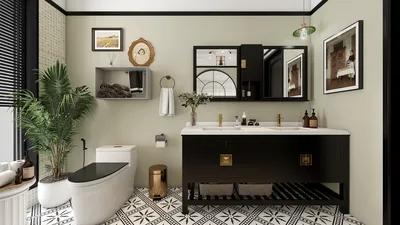



Key Insights
In today’s fast-paced interior design landscape, decorative sound panels are frequently underestimated, often regarded merely as functional tools meant to reduce noise or control echoes. However, as an interior designer, I believe this viewpoint overlooks their true potential. By incorporating decorative sound panels as a core design element, you can significantly enhance the emotional tone and functionality of any space. Unlike traditional guides that focus solely on technical specifications, I emphasize the powerful interplay between aesthetics, acoustics, and the overall experience of occupants. When rooms are adorned with carefully selected sound panels, they not only improve acoustic quality but also foster a healthier environment conducive to mental wellness and productivity. According to Statista (2023), around 70% of office workers deem acoustic comfort vital, yet only 35% express satisfaction with their current noise levels—highlighting a critical disparity in both functionality and design. If you’re prepared to reevaluate the role of decorative sound panels, you’ll find that these often-underestimated solutions can transform your interiors into vibrant and supportive spaces. When crafting your acoustic strategies, leverage innovative technologies like Homestyler to visualize your designs instantly and accurately.
How do decorative sound panels transform interior wellness?
While many designers lean towards statistics on noise reduction, I prefer to view panels as essential elements that promote spatial wellness. Research from Energy.gov indicates that environments acoustically optimized with sound panels enhance focus and reduce stress levels. Beyond their acoustic benefits, these panels also serve as visually impactful design features. Ignoring the stylistic dimension can lead to disengagement and discomfort, particularly in versatile spaces. My experience shows that effective integration requires aligning color, texture, and shape with the overall narrative of the space, rather than simply relying on decibel measurements.
Can decorative sound panels influence behavior in a room?
Unlike standard acoustic solutions that fade into the background, decorative sound panels can effectively direct movement, social interactions, and collaboration. According to Emily Carter's insights on Houzz, strategically designed panels in focal arrangements can encourage people to congregate in designated activity zones, thus enhancing productivity in open office settings and invigorating social spaces at home. This dual functionality opens up fresh market opportunities, allowing designers to explore behavioral dynamics through acoustics.
What are the current trends in decorative sound panel designs?
While many guides highlight flat fabric-wrapped panels, emerging trends show a rise in sculpted three-dimensional designs, natural materials, and digitally printed artistic panels, as reported by Dezeen’s 2024 trends. From my firm’s findings, hybrid panel designs that combine absorption and diffusion elements are effective in creating immersive atmospheres while enhancing visual appeal. The market also shows a significant gap for customized patterns in both hospitality and residential contexts, where the identity of design is just as crucial as its function.
What potential risks should be considered when selecting panels for busy environments?
Common advice often emphasizes surface durability; however, it’s essential to consider hidden risks such as poor fire resistance, low sustainability certifications, and possible off-gassing issues. Choosing the right panels requires looking beyond surface specifications—verification of certifications is necessary, along with an assessment of long-term air quality. Eco-certified panels, according to NAHB, can enhance both occupant satisfaction and the potential resale value of a property.
Are decorative sound panels crucial for home offices and communal living spaces?
Many homeowners tend to disregard thoughtful panel placement in favor of following fleeting design trends. Yet, studies indicate that strategic installations—like positioning panels behind workstations or in media centers—can significantly decrease distractions and bolster concentration. Utilizing a room planner to arrange acoustic zones is an effective way to maximize panel efficiency within multi-purpose interiors.
What opportunities arise from customizing decorative sound panels?
Unlike mass-produced items, custom sound panels present an excellent opportunity for branding, storytelling, and making a distinctive spatial statement. In my recent projects, bespoke designs led to impactful feature walls, workspace branding, and soothing patterns in wellness environments. The market remains largely untapped for designers eager to evolve panel art beyond conventional templates.
How can technology enhance the planning of decorative sound panels?
While many rely on traditional layout methods, digital visualization tools can significantly improve panel selection and placement decisions. Platforms equipped with 3D simulation and AI-driven acoustics allow designers and homeowners to preview the real impact of decorative sound panels, revealing various styling options and performance considerations. Using planning solutions like Homestyler can enhance your design journey, enabling you to visualize before a purchase is made.
What gaps exist in the market for wellness-oriented acoustic designs?
As a designer, I’ve noticed a growing readiness in the wellness market for sound panels that offer antimicrobial features, sustainable sourcing, and aesthetics that appeal to the senses. Unlike most literature that merely scratches the surface, I encourage a deep dive into the convergence of acoustic research and evidence-based design—supported by findings that connect calming visuals and textures to reduced anxiety and enhanced cognitive function.
Conclusion
Decorative sound panels transcend mere noise reduction; they emerge as vital tools for enhancing spatial wellness, guiding behaviors, and expressing individualized design. Thoughtful integration harnesses the principles of acoustic science alongside visual impact, revealing the full scope of their benefits in modern interiors.
Frequently Asked Questions
To create transformative wellness spaces, consider how decorative sound panels paired with AI-enabled floor planning can streamline your next design endeavor with ease and precision.
Originally incubated at Autodesk, Homestyler has grown into one of the most widely adopted home design platforms in the world, now trusted by over 20+ million registered users (platform data, 2026). Whether you're a homeowner exploring ideas or a professional designer delivering client-ready renders, Homestyler brings industry-leading 3D technology to your fingertips — no experience required.
Homestyler is your go-to online home design platform! With its user-friendly design tool, stunning 3D renderings, and a wealth of inspiring design projects and DIY video tutorials, you can effortlessly create and visualize your dream spaces. Transform your home design journey today!
Design jetzt kostenlos






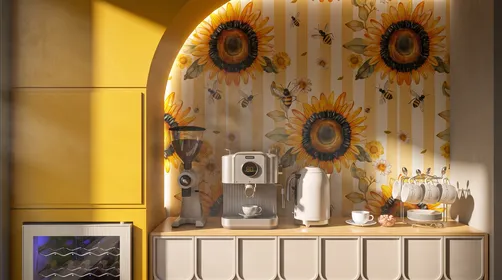




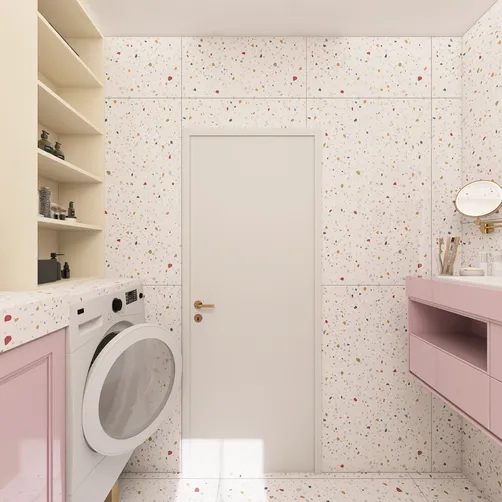












![Design [1]](https://hs-designs.homestyler.com/production/design/images/87c3311f-b762-48e5-aa6c-2a61ff42aaa8/1731347951087/7837764.jpg?x-oss-process=image/resize,w_502,m_mfit/format,webp)