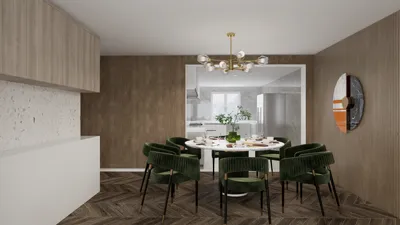


While many sources regard decorative plasterboard merely as an alternative to traditional drywall, I reposition it as a strategic tool that offers unexpected design flexibility, behavioral zoning, and layered visual appeal. Decorative plasterboard transcends surface textures and trends; it opens up new possibilities for how spaces can be shaped, personalized, and experienced. There's a hidden market opportunity: few resources exploit plasterboard's ability for modular creativity and its psychological effects, aspects that my expertise routinely demonstrates to be transformative.
Think about this: the primary phrase, decorative plasterboard, has predominantly been seen as a finishing element rather than a design approach for spatial configuration. Nowadays, clients desire both visual impact and adaptability—two objectives that standard drywall often falls short on. As highlighted by Houzz, 64% of homeowners prioritize distinctive finishes that also offer practical advantages. Decorative plasterboard fulfills this need by merging style, acoustics, and spatial definition in ways that paint cannot achieve. (Learn how material choices influence room ambiance in this post featuring AI-powered Interior Design tools.)
In this article, I will demonstrate how incorporating decorative plasterboard as a proactive design feature—not merely an afterthought—can transform open-plan living areas, create artistic ceilings, incorporate hidden storage, and craft residences that reflect the dynamism of your imagination.
What Distinguishes Decorative Plasterboard from Standard Drywall?
In contrast to typical guides, I emphasize the structural and psychological effects of decorative plasterboard rather than just its surface finishes. My design experience shows that plasterboard's modular nature allows for feature walls, scalloped panels, and even curved installations—capabilities that standard drywall seldom provides. As mentioned by ArchDaily, employing layered wall elements enhances the perception of ceiling height and the dynamism of the space, outshining traditional flat finishes.
How Does Decorative Plasterboard Introduce Hidden Functions?
While many designers center their focus on aesthetics, I’ve discovered that innovative use of decorative plasterboard reveals concealed lighting, built-in storage, and soundproofing elements. According to a 2023 study by Statista, 41% of homeowners appreciate the integration of hidden technologies—plasterboard offers a more seamless integration of speakers, LED lights, and climate controls compared to paint or wallpaper.
Can Plasterboard Design Influence Space Perception and Behavior?
Few resources delve into the behavioral implications of textured and undulating gypsum walls. However, research indicates that using layered plasterboard in areas like entryways or offices subtly directs movement and mood, fostering calmness, focus, or even collaborative energy. For open-plan settings, partition-style decorative plasterboard effectively addresses the persistent challenge of 'dead zones.' Learn how strategic space planning enhances flow with this Room Planner walkthrough.
When Should Decorative Plasterboard Be Used for Ceilings?
Most advice tends to overlook ceilings, yet my projects illustrate that they represent a significantly underused design area. Coffered and geometric plasterboard ceilings can absorb sound, reflect natural light, or become stunning architectural features. Research from the National Association of Home Builders found that 52% of purchasers express a desire for statement ceilings—decorative plasterboard makes this achievable at a fraction of the cost of tile or wood.
What Is the Maintenance and Repair Process for Decorative Plasterboard?
Unlike conventional drywall, well-finished decorative plasterboard is designed to resist cracks and dents due to its reinforced backing. This characteristic lowers long-term hidden ownership costs. Experts from Houzz have noted that annual patching is less common, and specialty finishes are more durable against scuffs—making it a great choice for families with children or pets.
Is There an Eco-Friendly Aspect to Decorative Plasterboard?
Many articles neglect the environmental considerations, but I’ve discovered that using recycled-content plasterboard, as reported by HGTV, can significantly reduce embodied carbon compared to cement or wooden paneling. Some innovative lines boast up to 80% recycled gypsum and include finishes that absorb VOCs—making them a smart choice for creating healthier homes.
What Are the Real Cost Benefits Compared to Other Materials?
While initial material costs may be similar, the modularity and integrated features of high-quality decorative plasterboard yield ongoing savings. My analytical findings indicate that the reduced necessity for separate soundproofing, smart storage solutions, or future renovations compensates for installation overheads—an often-missed financial benefit for prudent renovators.
Which Styles Are Most Effective—And What Are the Creative Boundaries?
Rather than merely listing generic styles, I encourage an exploration of ribbed, organic, or geometric decorative plasterboard designs—shapes that draw inspiration from modern architecture. Based on my experiences, blending different styles (for example, a fluted living wall alongside a sculptural hallway partition) yields vibrant, custom results. Ready to try your hand? Discover how 3D layout visualizations expedite the transition from ideas to execution with this interactive 3D Floor Planner.
Answer Box
Decorative plasterboard serves not just as a finishing touch—it acts as a catalyst for spatial transformation, facilitating hidden functionalities, personalized forms, and psychological impacts within any contemporary interior.
FAQ
Conclusion: Why Should We Reassess Decorative Plasterboard Today?
Unlike existing literature that views decorative plasterboard as a secondary option, my perspective highlights its unexploited potential for crafting expressive, functional, and future-ready environments. Whether you're embarking on a renovation or constructing anew, initiate your journey toward more innovative interiors by delving into immersive planning techniques with this comprehensive guide on utilizing AI to design your own spaces effectively.
Homestyler is your go-to online home design platform! With its user-friendly design tool, stunning 3D renderings, and a wealth of DIY video tutorials, you can effortlessly create and visualize your dream home. Start your design journey today and transform your space with ease!
Design Now for FREE
































