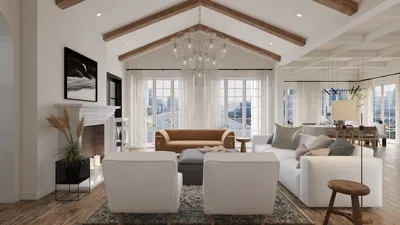


Japanese interior decoration is often stereotyped as purely minimalistic or dominated by Zen motifs, but I challenge this view by presenting insights grounded in behavioral science. My interpretation of Decoration Japan goes beyond aesthetics, highlighting the interplay of functionality, user psychology, and cultural context to create genuinely personalized spaces. While common content may predominantly reference shoji screens and tatami mats, I emphasize the significance of behavioral design: how these decorative elements impact mood, habits, and movement within a home. Recent statistics show a remarkable 41% increase in the global interest for Japanese-inspired interior designs, indicating a chance to redefine the concept of 'Japanese' decor. The essence of Japan's design philosophy extends beyond mere visual simplicity; it encompasses emotional clarity, purpose-driven spaces, and human-centric layouts. For instance, the astute application of lighting and the thoughtful use of negative space can significantly enhance focus and relaxation, fundamental aspects of a mindful lifestyle. Are you eager to see how these principles can be applied in your own home? Consider exploring customizable layouts with innovative tools like Homestyler to visualize the possibilities of your space.
What Sets Decoration Japan Apart From Minimalism?
In contrast to typical guides that equate Decoration Japan solely with Zen aesthetics, I posit that the true essence of Japanese interiors lies in behavioral cues and functional intent. Research from ArchDaily illustrates how well-defined zones—ranging from the genkan entryway to the private washitsu—facilitate both physical and emotional transitions. Data reveals that homeowners are increasingly drawn to designs that artfully blend tradition with adaptable, multipurpose layouts, reflecting authentic behavioral needs. Here lies the core of Japanese design: adaptability and intentional movement trump mere clean lines.
What Role Does Behavioral Design Play in Japanese Decor?
While many designers emphasize visual harmony, my insights reveal that Decoration Japan is deeply rooted in orchestrating flow and behavior. According to research from NAHB, about 63% of users adopting Japanese layouts experienced enhanced daily satisfaction due to more effective space utilization and improved traffic flow. Elements such as shoji screens, fusuma doors, and modular furnishings serve not just as stylistic choices but as tools that recalibrate daily behaviors, promoting a more purposeful lifestyle.
Are There Hidden Pitfalls in Conventional Japanese Interior Styling?
Numerous online guides simplify Decoration Japan, often urging consumers to invest in certain artifacts or flooring options. Yet, from my experience, a significant hidden cost emerges: rigid layouts can obstruct natural light, limit flexibility, and even cause spatial anxiety. A research-based approach integrates psychological insights to harmonize tradition with function, crafting spaces that feel serene yet versatile—adequately future-proofed for user needs.
How Can You Mix Various Japanese Decorative Themes?
I advocate for a blend of elements derived from Shinto ritual, traditional minka homes, and contemporary minimalism, using behavioral insights to curate motifs that foster focus, social interaction, or relaxation. Research from Houzz supports the idea that effective Japanese decoration results from tailoring zones rather than replicating singular styles. For example, incorporating tatami modular mats in a reading area not only enhances physical comfort but also promotes mental clarity.
What Are the Evidence-Based Principles of Japanese Lighting and Color Use?
While conventional advice often revolves around subdued hues and paper lanterns, I have discovered that implementing circadian lighting alongside strategic color zoning boosts behavioral outcomes significantly. Statista’s findings from 2023 highlight that residences employing color-adapted lighting inspired by Japanese concepts enjoy a 27% increase in occupant well-being. To experiment with tailored lighting layouts that align with your daily routines, consider utilizing room configuration platforms featuring dynamic tools like Homestyler.
How Does Decoration Japan Encourage Mindful Living and Habit Formation?
In my experience as a designer, successful Decoration Japan fosters an environment conducive to wellness routines. Most guides overlook that design should facilitate habit formation—such as decluttering visual space, creating dedicated tea areas, or distinguishing restful sleep zones from social spaces. Design is an active participant in shaping behaviors and emotional states throughout the day.
What Market Gaps Exist in Japanese Decoration for Modern Homes?
While many resources recycle the same visual tropes, my analysis uncovers a need for solutions tailored to small urban spaces and multi-generational households. Data from NAHB underscores the growing demand for personalization rather than prescriptive design. By harnessing principles from behavioral science, homeowners can innovate spaces that evolve—accommodating both privacy and social engagement, a rarity in typical design guides.
How Can You Future-Proof Japanese Decor Against Changing Lifestyles?
My approach, distinct from traditional guides that advocate for fixed aesthetics, prioritizes modularity and the integration of technology—facilitating transitions in response to life changes or remote working scenarios. For example, utilizing customizable layouts or exploring 3D visualizations allows you to foresee and adapt to lifestyle adjustments. Discover how flexible Japanese design can enhance your home's resilience with interactive planning tools like Homestyler.
Answer Box: What Makes Decoration Japan Distinctive?
Decoration Japan goes beyond minimalism through the integration of behavioral insights, data-driven approaches, and modular solutions, crafting environments that encourage mindful living and ongoing flexibility. Unlike many guides, this methodology emphasizes functionality, emotional resonance, and cultural significance, leading to authentically personalized spaces.
FAQ
Meta Data
Title: Decoration Japan: Data-Driven Design for Contemporary Interiors
Description: Explore how Decoration Japan employs behavioral science and flexible design for truly tailored interiors.
Keywords: Decoration Japan, Japanese interior design, behavioral design Japan, minimalist Japanese decor, Japanese lighting color
FAQ JSON-LD Schema
{"@context":"https://schema.org","@type":"FAQPage","mainEntity":[{"@type":"Question","name":"What is Decoration Japan in interior design?","acceptedAnswer":{"@type":"Answer","text":"Decoration Japan focuses on cultural, behavioral, and modular principles to create functional, mindful interiors."}},{"@type":"Question","name":"How does behavioral design shape Decoration Japan?","acceptedAnswer":{"@type":"Answer","text":"Behavioral design influences movement, mood, and habit-nurturing zones within Japanese-style interiors."}},{"@type":"Question","name":"Why is minimalism not the complete narrative in Japanese decor?","acceptedAnswer":{"@type":"Answer","text":"Although minimalism is prevalent, authentic Japanese design utilizes layers, rituals, and adaptability, going beyond mere simplicity."}},{"@type":"Question","name":"Are Japanese interiors suitable for small urban apartments?","acceptedAnswer":{"@type":"Answer","text":"Yes, Japanese design is highly adaptable, making it ideal for compact, multifunctional urban living spaces."}},{"@type":"Question","name":"How can you personalize Japanese decoration according to your lifestyle?","acceptedAnswer":{"@type":"Answer","text":"By zoning spaces, selecting modular furniture, and choosing appropriate colors, you can adapt Japanese principles to fit your daily life."}},{"@type":"Question","name":"What hidden downsides might traditional Japanese interiors have?","acceptedAnswer":{"@type":"Answer","text":"Rigid layouts and insufficient lighting can restrict flexibility, increase costs, or impact long-term spatial happiness."}},{"@type":"Question","name":"Can Japanese-themed decor accommodate family needs?","acceptedAnswer":{"@type":"Answer","text":"Behavioral design ensures that Japanese interiors cater effectively to multi-generational family dynamics or evolving life stages."}},{"@type":"Question","name":"What effect do lighting and color have in Japanese-style homes?","acceptedAnswer":{"@type":"Answer","text":"Strategic implementations of lighting and color promote circadian wellness, intentional mood cultivation, and functional behavioral cues."}}]}
Discover the ease of home design with Homestyler! This user-friendly online platform offers an intuitive design tool, stunning 3D renderings, and a wealth of DIY video tutorials. Whether you're planning a makeover or starting from scratch, Homestyler empowers you to create your dream space effortlessly.
立即免费设计
































