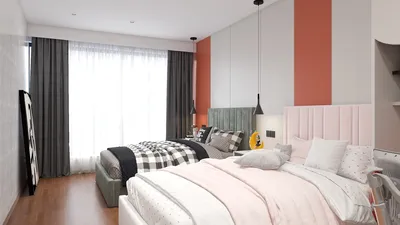


Currently, the most significant trends in interior design focus on maximizing every square foot, incorporating sloped roofs as distinctive features, and blending biophilic elements with innovative storage solutions. My experience with numerous attic and loft bedrooms has shown me that slopes can be a source of inspiration rather than a challenge—small slanted spaces can ignite immense creativity. In this article, I will share five insightful ideas for decorating a bedroom with slanted ceilings, drawing from my practical expertise and expert sources, including the versatile design tool, Homestyler.
During a recent project, I quickly realized that effective storage solutions address many challenges; together with the homeowner, we explored various storage ideas for attic bedrooms and transformed awkward eaves into neat and accessible drawers.
Built-in Storage Along the Eaves
My Perspective
I always prioritize storage in sloped bedrooms. In one instance, I converted a low eaves area into a series of drawers and a narrow wardrobe, creating a custom look that prevented the client from having a crowded closet on the taller wall. Built-ins ensure that the slope feels deliberate and fully functional.
Advantages
Custom eaves cabinetry cleverly transforms otherwise wasted triangular spaces into useful storage options, which is crucial when furnishing a bedroom with slanted ceilings. You can design drawers and cubbyholes to fit the exact angle, giving the room a more spacious and organized feel. This strategy also enhances resale value by demonstrating smart spatial utilization.
Disadvantages
However, built-ins require time and can stretch your budget. If you're handy, DIY options exist, but professional craftsmanship guarantees the best results. Expect some mess and possibly a longer renovation period—last time, I jokingly told a client that the sawdust we produced was our version of confetti.
Advice
Opt for shallow drawer fronts and avoid tall vertical handles; using integrated recessed grips or finger grooves can help maintain a low profile, preventing snags under the slope. For those on a budget, consider modular low cabinets topped with a continuous laminate or wood countertop to replicate custom cabinetry's appearance.
save pin
Low-Profile Beds and Furniture
My Perspective
I am particularly fond of platform beds in rooms with sloped ceilings. In one small attic bedroom I designed, a low platform bed with built-in storage resolved both scale and functionality while ensuring the ceiling remained visually open.
Advantages
Utilizing low-profile furniture keeps the lines of sight clear, which is key when styling a bedroom with slanted ceilings. Platform beds, short bedside tables, and low chests of drawers help maintain headroom and cultivate a cozy, approachable atmosphere. Moreover, these low pieces can provide additional storage without overwhelming the slope.
Disadvantages
Yet, low beds might seem too minimalist to individuals accustomed to taller frames; I często add a plush, low-profile headboard that appears tall by virtue of its fabric texture. Additionally, low furniture can be more challenging to get up from—testing different heights is advisable before making a purchase.
Advice
If accessibility is a concern, choose a platform slightly higher than standard Japanese designs and incorporate under-platform storage drawers instead of relying on tall nightstands. Light-colored upholstery on the headboard helps prevent the slope from appearing too heavy.
save pin
Skylights and Layered Lighting
My Perspective
Natural light can transform a sloped space dramatically. In one of my projects, a strategically placed skylight turned a dim loft into a brilliant retreat; I complemented it with warm wall washers and focused reading lamps to create layered lighting for nighttime use.
Advantages
Incorporating a skylight or roof window is an effective approach when designing a bedroom with slanted ceilings, as it enhances vertical daylight and opens up the ceiling area. Layered lighting—like recessed washers, wall sconces, and adjustable bedside lamps—adds depth and functionality, allowing the sloped ceiling to become a luminous feature instead of a shadowy corner. The Natural Light Council and many industry experts emphasize that skylights can enhance perceived space and elevate mood in loft areas.
Disadvantages
Nonetheless, skylights may contribute to heat gain or loss unless specified correctly, and they require precise flashing to prevent leaks. I once suggested solar-controlled glazing for a south-facing roof; although the client noticed a slight increase in expenses, the comfort gained was certainly worth it.
Advice
Consider operable skylights for ventilation. To manage glare, equip them with internal roller shades or choose glazing with a low-E coating. If a complete skylight installation is unfeasible, high clerestory windows on the vertical walls can create a similar effect of increased daylight.
save pin
Paint, Pattern, and Visual Tricks
My Perspective
Color and pattern are among my preferred methods for redefining a sloped ceiling. In a fun studio bedroom, I implemented a horizontal band of paint at shoulder height, which visually flattened the space, making the ceiling seem less oppressive.
Advantages
Thoughtful color choices and wallpaper are cost-effective strategies for addressing proportion challenges when decorating a bedroom with slanted ceilings. Lighter shades on the slope recede, while a darker vertical wall grounds the bed. Stripes or a mid-height horizontal color band can create the illusion of intentional architecture instead of an awkward afterthought.
Disadvantages
However, bold patterns can overwhelm a small room if overused. I have seen clients choose vibrant wallpaper only to regret it later; we resolved this by limiting the pattern to an accent wall and balancing it with soft, neutral fabrics.
Advice
Employ matte finishes on the ceiling to conceal imperfections while reserving glossy trims for small highlights. If you desire drama, consider painting the sloped ceiling in a darker color while keeping the vertical walls light—this combination creates an enveloping sense rather than a cramped feel, particularly when balanced with good lighting.
As I progress through the planning stages, I often draft a few 3D layouts to allow clients to visualize how color, light, and furniture interact. Using Homestyler for a visual mockup helps avoid unexpected expenses during implementation.
save pin
Cozy Nooks and Multifunctional Zones
My Perspective
Instead of resisting the slope, I focus on designing around it by creating reading nooks, workspaces, or meditation areas beneath low eaves. One client was particularly fond of this concept, so we incorporated a cushioned bench with storage and a compact wall-mounted desk that could be tucked away when not in use.
Advantages
Constructing a nook allows the sloped area to serve a functional purpose and feel inviting, which is a fundamental principle when decorating a bedroom with slanted ceilings. This configuration encourages diverse uses of the room—sleeping, working, relaxing—without obstructing primary pathways. Multifunctional designs like foldable desks or benches with hidden storage enhance utility without occupying additional space.
Disadvantages
Fitting a full-sized desk under a low slope can be challenging; it's essential to be realistic about headspace. I recommend testing dimensions with cardboard or a temporary mockup prior to constructing. Sometimes the most comfortable nook is the coziest one, where you have to sit sideways—to me, that's a small price to pay for a great view.
Cost Consideration
Establishing built-in benches or foldable furniture can vary greatly in cost. A simple DIY bench with storage may be quite affordable, while entirely custom joinery for an integrated workstation will increase expenses. Keep in mind that multifunctional furniture is an investment in everyday comfort and longevity.
In the final stages of a project, I often prepare a comprehensive plan that outlines circulation paths, ceiling heights, and the exact layout for any built-ins—this helps prevent unnecessary costs and saves time during installation.
save pin
Summary
When decorating a bedroom with slanted ceilings, the focus should shift from limitations to design strategies that celebrate those angles. Employ smart storage solutions for eaves, opt for low-profile furniture to maintain open sightlines, introduce natural light, utilize paint and pattern to enhance visual appeal, and create cozy nooks that transform the slope into a feature. By planning with the slope in mind, the room achieves an inviting and purposeful aesthetic.
Reputable resources such as Architectural Digest and other design platforms constantly emphasize the importance of natural light and efficient storage as leading tactics for attic spaces, aligning with my experiences from numerous loft projects. Which of these ideas excites you the most for your sloped bedroom?
save pin
FAQ
1. What are the best furniture options for a bedroom with slanted ceilings?
Select low-profile furniture such as platform beds, short dressers, and compact bedside tables to maintain headroom and open sightlines. Consider multifunctional options—like beds with storage compartments or foldable desks—that add utility without vertical bulk.
2. How can I optimize storage beneath eaves without making the room feel cramped?
Incorporate shallow built-ins that follow the slope and use drawers or pull-out shelves to ensure items remain accessible. Choose a consistent finish to unify the look, reducing visual clutter and creating a more spacious feel.
3. Are skylights practical for sloped bedrooms?
Definitely, skylights add vertical daylight and make slanted ceilings feel more open, but it's crucial to select the right glazing for energy efficiency and consider operable units for ventilation. Pair skylights with layered lighting to maintain comfort during evening hours.
4. Can paint techniques truly alter the perception of a sloped ceiling?
Indeed, lighter colors on the slope help it recede, while a horizontal paint band or darker vertical wall can effectively balance proportions. Matte finishes obscure imperfections, preventing the ceiling from appearing too heavy.
5. What is the ideal headroom for a comfortable sleeping area under a sloping ceiling?
Aim for a minimum of 7 feet (approximately 2.1 meters) of headroom over key circulation and bed areas, if possible. For areas where you will be sitting (like a bench or desk), 4-5 feet may suffice—mock up the space to ensure comfort.
6. What budget-friendly methods can I employ to enhance storage in a bedroom with slanted ceilings?
Consider using modular low cabinets topped with a simple work surface or purchasing pre-made shallow drawer units to line the eaves. Implementing consistent laminate fronts or a countertop enhances cohesiveness at a fraction of traditional custom cabinetry costs.
7. How can I brighten a sloped bedroom and prevent it from feeling dark?
Integrate natural light sources like skylights or high windows alongside layered artificial lighting: wall washers, sconces, and adjustable bedside lamps. Lighter, reflective textiles and a lighter ceiling paint will also promote brightness in the space.
8. Where can I find design inspiration or tools to visualize these concepts?
Design platforms and publications frequently showcase transformations of attics and lofts. For practical visualization and arranging layouts, I often utilize 3D planning tools like Homestyler that allow designers to preview options and make informed decisions based on case studies and expert references.
save pin
Looking to transform your space? Homestyler is your go-to online home design platform! With an intuitive design tool, stunning 3D renderings, and a plethora of DIY video tutorials, you can effortlessly create and visualize your dream home. Start designing today!
تصميم الآن مجانا
































