


Crafting 3D molecular models can be an engaging and informative activity for students, educators, and science lovers alike. These intricate models play a vital role in demonstrating molecular geometry, bonding, and the spatial relationships that exist between atoms—fundamental concepts in chemistry and biology. Various methods exist for creating 3D molecular structures, including physical model kits, digital modeling platforms, or even advanced design software like Homestyler for innovative presentations.
Physical Models: This classic approach utilizes ball-and-stick kits where different colored balls signify atoms, and sticks represent the bonds between them. Additionally, you can creatively use materials like clay, toothpicks, beads, or even marshmallows for a hands-on DIY experience. Simply connect the 'atoms' using 'bonds' in accordance with the desired chemical structure, ensuring the angles reflect the proper molecular geometry such as tetrahedral, linear, or trigonal planar configurations.
Digital Tools: Software such as Avogadro, ChemDraw 3D, and MarvinSketch allow users to build and explore molecular structures in three dimensions. These tools provide interactive and rotatable visuals which are indispensable for analyzing intricate molecules, calculating various properties, and even exporting visual renderings for educational use.
As a designer, I perceive 3D molecular modeling as analogous to spatial design in interior spaces: it revolves around proportion, balance, and clarity. Interestingly, the principles of 3D scientific modeling parallel those employed in room arrangement, especially when using tools like Homestyler for home visualization. In both fields, the precise representation of spatial relationships is essential for portraying both structure and functionality—whether elucidating molecular orbitals or arranging a contemporary living room layout.
Tips 1:
When constructing 3D molecule models—whether physically or digitally—color coding is indispensable. Assign specific colors to denote different atom types to prevent any mix-ups. It’s also helpful to include labels or a key for your model to enhance presentation clarity.
FAQ
Q: What materials can I use to create physical 3D molecule models at home?
A: You may utilize materials such as clay, colored beads, marshmallows, toothpicks, skewers, or purchase ready-made molecular model kits.
Q: Are there free digital tools available for crafting 3D molecule models?
A: Absolutely! Programs like Avogadro and MarvinSketch provide free features for molecule modeling and visualization.
Q: How can I ensure the bond angles in my model are accurate?
A: Consult VSEPR theory charts for precise geometrical values—such as 109.5° for tetrahedral or 180° for linear configurations. While digital software guarantees accuracy, physical models can be checked using a protractor or printed templates.
Q: Is it possible to create 3D printed models from digital molecule designs?
A: Yes! Many modeling tools allow for the export of STL or OBJ files, which are compatible with most 3D printers, enabling you to produce physical models.
Q: Why is 3D molecular modeling crucial in educational settings?
A: 3D models play a significant role in visualizing molecular shapes, bonding patterns, and interactions, making abstract chemistry concepts more tangible and memorable for learners.
What began as an Autodesk innovation has evolved into a design platform used by more than 20+ million registered users (platform data, 2026) around the globe. Homestyler combines powerful rendering, an intuitive editor, and a vast furniture library to help you turn inspiration into photorealistic designs — whether you're redesigning a single room or planning an entire home.
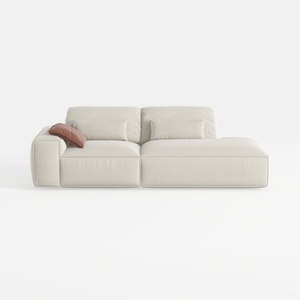
Minimalist Beige Fabric L-shaped Chaise Sofa 3D Model
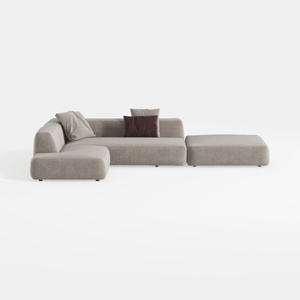
Minimalist Fabric L Shaped Sectional Sofa with Ottoman 3D Model

Minimalist Gray Velvet 4 Seater Sofa With Decorative Throw Pillows 3D Model
Homestyler is an outstanding online home design platform that empowers you to turn your vision into reality. With its user-friendly design tool, stunning 3D renderings, and a wealth of design projects and video tutorials, you’ll have everything you need to create your dream space effortlessly.
Design Now for FREE






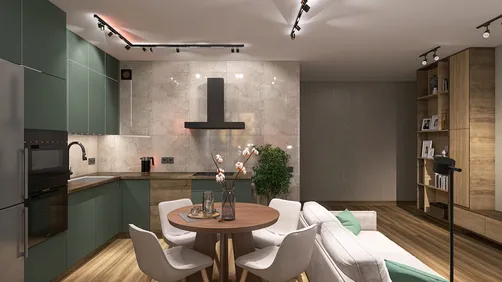



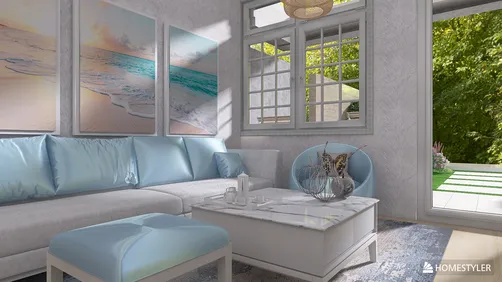


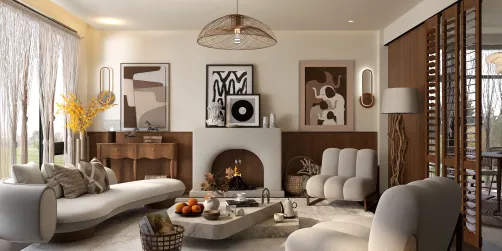


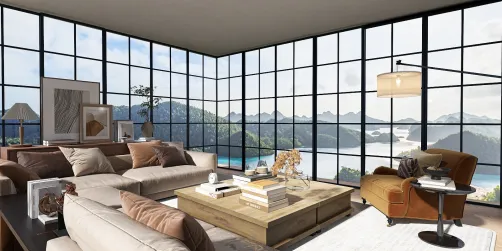










![[For my dearest Sabrinik 🧡]](https://hs-designs.homestyler.com/production/design/images/3f463715-5ed6-4c49-9346-16d464510aa6/1714085722568.jpg?x-oss-process=image/resize,w_502,m_mfit/format,webp)