


Creating a three-dimensional representation of the endoplasmic reticulum (ER) can be an enriching experience for students, instructors, or anyone with a keen interest in cellular biology and visualization strategies. The complexity of the ER, characterized by its elaborate network of tubules and sacs, is best appreciated through both artistic interpretations and scientific illustrations. Below, you'll find a comprehensive guide to assist you in visualizing and crafting a 3D model of the ER:
Designing Tips:
When developing a biological 3D model, particularly one as intricate as the endoplasmic reticulum, consider adopting the mindset of an interior designer. Emphasize clarity, flow, and thoughtful separation of areas (such as rough versus smooth ER). Using color coding, modular design elements, and consistent scaling enhances understanding of both the structure and its function. For digital representations, employing professional design software like Homestyler can greatly improve spatial accuracy and create stunning visual outcomes.
Frequently Asked Questions
Q: What materials are ideal for constructing a physical model of the ER?
A: Materials such as foam, pipe cleaners, beads, and modeling clay provide the necessary flexibility for creating tubules and effectively distinguishing between rough ER (accentuated with beads or dots) and smooth ER.
Q: Is it possible to create a 3D digital model without any cost?
A: Absolutely! Free platforms like Tinkercad or Blender allow you to create 3D models of biological structures. Additionally, consider exploring online 3D floor planning tools for related spatial projects.
Q: How can I differentiate between rough and smooth ER in my model?
A: To depict rough ER, incorporate ribosome-like beads or dots. For smooth ER, opt for sleek materials or color choices that convey its distinctive nature.
Q: Are there templates available for creating 3D cell organelle models?
A: Numerous educational resources and modeling forums offer templates. Alternatively, you might trace diagrams onto your modeling surface prior to assembly.
Q: What benefits does a 3D model of the ER provide for educational purposes?
A: 3D models facilitate a clearer understanding of spatial relationships and functional divisions within the ER, which is particularly helpful when illustrating its interactions with other organelles.

Counter Height Bar Stools, Modern Mid-Century

Minimalist Solid Wood Marble Contemporary Office Desk 3D Model
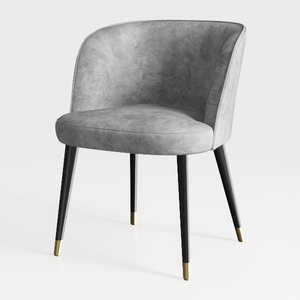
Beautiful Side Chairs Set of 4 Velvet Upholstered
Looking to transform your space? Try Homestyler! This user-friendly online design platform offers an intuitive design tool, stunning 3D renderings, and a wealth of design projects and video tutorials. Easily bring your home design visions to life with expert guidance at your fingertips!
Concevez maintenant gratuitement
































