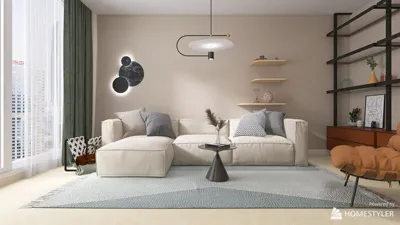


Over the past year, I've transformed various living spaces from cozy urban apartments to expansive family homes, discovering that curtains are often the unsung stars of interior design. They provide not just privacy and light management, but also help to establish ambiance, enhance acoustic comfort, and adjust the perceived scale of a room. The selection of fabric and the height at which curtains are hung can significantly impact comfort levels. The WELL v2 standard highlights how glare reduction and balanced daylight affect both visual comfort and circadian health. In line with IES guidelines, layering curtains can efficiently manage luminance ratios for screens and reading areas—factors that depend on the opacity, stacking, and positioning of the curtains. Insights from workplace studies by Steelcase show that controlled lighting boosts task comfort; similarly, well-structured curtains and layered sheers can minimize reflections on televisions while still maintaining a light-filled environment.
The influence of color psychology cannot be underestimated. Research from Verywell Mind shows that shades of blue induce calmness while greens promote equilibrium; I've embraced these colors for high-traffic living areas seeking visual tranquility. For evening settings, ambient lighting around 3500–4000 K complements these cooler tones, while warmer neutrals thrive in a 2700–3000 K range. Given that curtains often serve as the primary color block in a room, their hues and textures should align with the room’s lighting temperatures to prevent unwanted color effects. For multifunctional living rooms, which may serve as both workspaces and relaxation zones, a dual-layer approach with sheer and dim-out curtains allows you to control the daylight effectively without sacrificing the coziness necessary for evening relaxation. Utilizing a tool like Homestyler to visualize these elements can aid in achieving your design goals.
As urban living spaces become more compact, the depth of fabric stacking becomes crucial. I commonly utilize a room layout tool like Homestyler to experiment with panel widths and stacking returns early in the design process, ensuring no furniture, heating units, or artwork get overwhelmed by drapery. By properly mapping stacking zones, I can prevent any obstruction to seating arrangements and maintain symmetric sightlines across the space.
2024's curtain trends are leaning towards two-layer systems that combine airy sheers for natural light diffusion with dim-out layers—without needing complete blackout for evening privacy. It’s recommended to use 1.5 to 2 times fullness for sheers to keep a gentle flow, and between 1.8 to 2.2 times for the drapery layer, ensuring a tailored appearance. Rippled fold or 'S-fold' tracks are preferred for their ability to maintain wave functionality and trim visual clutter. This layered strategy is in sync with IES glare reduction recommendations, softening contrasts while keeping the room from feeling overly dark.
Texture is increasingly important. Clients are favoring matte, tactile weaves that absorb light rather than reflect it. Fabrics like bouclé offer cozy depth, slubbed linen introduces an artisanal touch without being visually overwhelming, and matte chenille provides both weight and elegant drape. These textures also contribute to acoustic comfort by diminishing mid-range reverbs, particularly beneficial in spaces with hardwood floors and hard media walls.
Soft ecru, mushroom, stone, and warm gray are trending colors, often punctuated by a saturated accent, like a deep forest green, petrol blue, or aubergine. This color scheme ensures both longevity and a touch of personality. If your space has warm undertones—like oak flooring and warm LED lighting—select neutrals with a hint of taupe; for cooler themes with concrete or cooler lighting, opt for neutrals with green or gray undertones. The impact of color psychology is subtle yet profound: cooler, saturated shades create a calming atmosphere, while warm accents are inviting but can visually push forward, requiring careful placement, especially on tall windows.
Mounting curtains close to the ceiling can visually extend the height of a room and elongate windows. Generally, I recommend achieving a floor clearance of 3 to 8 mm to avoid dragging while maintaining a refined appearance. The puddling trend is now mostly reserved for formal areas; for everyday living rooms, a subtle kiss or light break at the floor prevents excessive upkeep and accommodates pets.
Where corner rods with decorative finials were once popular, recessed tracks, square fascia, and ceiling-mounted systems are now preferred for a seamless look. Motorized tracks are particularly sought after in open-concept layouts featuring large windows; opting for quiet motors with a soft start and stop function helps to protect fabric pleats. To achieve a minimalist aesthetic, color-matching the fascia to the ceiling and pairing with ripplefold headings creates a continuous wave effect.
When it comes to sustainability, inquire about recycled polyester blends, solution-dyed fibers known for their fade resistance, and organic mixtures of linen and cotton. Always look for third-party certifications and low-VOC finishes. In sun-drenched spaces, consider UV-stable yarns and interlining options to protect the natural fibers. Performance sheers featuring micro-weave constructs are perfect for reducing glare while maintaining exterior visibility—ideal for living rooms that double as work areas.
Overscaled geometric or botanical patterns are becoming a modern choice, but I prefer to implement them in smaller doses, either on the leading edge or as secondary layers, to avoid overwhelming the space. If your sofa fabric is textured, opt for calmer curtains; conversely, if your seating is sleek leather, a subtle broken twill or herringbone pattern can introduce the necessary visual dynamism.
Vertical color blocking—incorporating a contrasting one-third band at the leading edge—adds height and rhythm, while horizontal banding along the hem is effective in areas with lower sills by grounding the window visually. Careful seam placements and repeating band colors in cushions or artwork create a cohesive look throughout the space.
For living rooms situated near bustling streets or featuring extensive glazing, the use of interlining or thermal linings becomes advantageous. Acoustic interlinings can subtly enhance speech clarity and diminish echo during TV viewing. It’s essential to choose a breathable lining behind natural fabrics to avoid moisture buildup; for south-facing windows, adding a reflective layer helps to combat heat gain.
The integration of curtains into lighting scenes is becoming a norm. For morning settings, sheer curtains can be opened to 80%, transitioning from warm to cooler light, while evening arrangements can see sheers closed and dim-out curtains at 30% to combat TV glare. Motorization tied to solar position is especially effective for west-facing windows to alleviate heat build-up during late afternoons.
As you prepare to order curtains, take the time to simulate stack and swing clearance to ensure that lounge chairs, side tables, and speakers won’t clash with drapery. If your living room layout is still taking shape, utilizing an interior layout planner like Homestyler can help you test furniture configurations before finalizing curtain widths. This method allows you to confirm stack return depth and avoid covering radiators or speakers.
For rooms exposed to screens, utilizing a sheer roller with 3 to 5% openness behind layered sheer curtains or resorting to dim-out drapery during peak sunlight hours is wise. The IES suggests that managing luminance ratios around visual tasks reduces eye strain, meaning that at home, it’s crucial to prevent high-contrast sun patches on floors and furniture. Always test fabric samples in situ during various times of the day.
In designing a restful unwind zone, consider blue-gray or soft green curtains made from matte textures to foster relaxation, which aligns well with research regarding colors’ psychological impacts. If your living room also serves as a social hub, warmer neutrals adorned with terracotta or ochre accents can create an inviting atmosphere. Always verify color tones with the actual lamp temperature in the room.
Curtains play a crucial role in the comfort ecosystem of a home. They assist in reducing glare on TVs and devices, maintaining sightlines from seating areas, and eliminating drafts in older homes through the use of plush interlinings. Ensure that control points are easily accessible; for motorized systems, program intermediate stops to prevent curtains from colliding with table lamps or speaker stands.
For balanced compositions, align the leading edges of curtains with the outer boundaries of your furniture arrangement—especially the sofa and media unit—so that the drapery frames the communal area. Maintaining symmetry in the pair level (with left and right curtain panels) is more critical than achieving absolute width; adjust the fullness to ensure visual equality across varying window widths within the same space.
Material and Hardware Guide
- Ripplefold/S-fold: Clean and consistent wave; ideal for minimalist designs and motorization.
- Double pinch pleat: Classic and tailored; compatible with medium-weight fabrics.
- Euro pleat (inverted): Formal yet approachable; excellent stacking behavior.
- Sheers: 70–170 g/m² for gentle diffusion.
- Drapes: 250–450 g/m² for structure and fall; consider adding interlining for extra depth and acoustic control.
- Dim-out: Reduces 80–95% of light while avoiding a stark blackout appearance.
- Blackout: Primarily for bedrooms; in living spaces, use sparingly unless you're crafting a dedicated cinema space.
- Thermal/acoustic: Adds weight; choose breathable options.
- Recessed/ceiling tracks: Seamless for full-height installations.
- Square fascia tracks: An architectural style that meshes seamlessly with the ceiling.
- Slim metal rods: If visible, select matte black or brushed nickel; avoid high sheen unless a glamorous look is desired.
2024 Color and Pattern Palette Starters
- Calm Neutrals: Stone, mushroom, greige—pair with slubbed linen or matte chenille.
- Nature-Inspired: Sage, eucalyptus, river blue—excellent matches for oak floors and greenery.
- Sophisticated Darks: Petrol, graphite, espresso—ideal as accent bands or full drapes on statement windows.
- Tonal Patterns: Soft herringbone, broken twill, micro-grid—introduce movement without busying the space.
Common Pitfalls and My Fixes
- Curtains too narrow: Order 1.8–2.2× track width for drapes; overlooking this can flatten their appearance. Improve by adding panels or a leading-edge band to blend seams.
- Hardware too low: Position as high as possible to elongate the space. If constrained by crown molding, opt for fascia tracks that match the ceiling color.
- Harsh reflections on TV: Introduce a dim-out layer and arrange lighting to mitigate glare; create evening settings that lower drapes to 30–50% when watching.
- Fading and stress on fibers: Use UV-stable materials or protective linings, especially on south- and west-facing windows.
- Pattern overload: Maintain tonal curtains if your rug or sofa is patterned; reserve bold patterns for cushions or artwork.
Budgeting and Phasing
Begin with the primary viewing and social zones, often characterized by the largest windows and any sliding doors to outdoor spaces. Invest in sturdy track hardware and quiet gliders first; you can refresh the fabrics later. In tighter budgets, start with high-quality sheers and layer in dim-out panels during the subsequent phase. Opting for a neutral base fabric that coordinates with various accent colors ensures flexibility.
Maintenance and Longevity
Regularly vacuum with a soft brush and rotate the leading edges throughout the season to prevent uneven sun exposure. For natural materials, dry cleaning helps maintain texture; performance synthetics often allow for machine washing on gentle cycles—be sure to check care labels. Annual inspections of motorized tracks ensure all components glide smoothly.
FAQ
Q1: Are sheers sufficient for privacy in urban living rooms?
A1: Yes, during the day sheers can obscure views while still allowing light in. At night, with interior lighting, consider adding dim-out drapes or a secondary shade for additional privacy.
Q2: How much fullness should I order for a tailored appearance?
A2: For ripplefold sheers, 1.5–2× track width ensures a neat wave; for drapes, 1.8–2.2× adds body without bulking. Pinch pleats usually factor fullness into their design, so confirm with your manufacturer.
Q3: What’s the most effective mounting height?
A3: The closer to the ceiling, the better. This visually enhances the height of walls and minimizes light leaks. If crown molding is present, mount just below and opt for color-matched hardware to the ceiling.
Q4: Which fabrics assist with acoustic control?
A4: Heavier, matte fabrics—such as matte chenille, wool blends, and interlined linens—absorb mid-frequencies effectively. Pair them with rugs and soft furnishings for balanced sound.
Q5: Are motorized curtains a worthwhile investment in living rooms?
A5: Yes, particularly for larger or taller windows. Quiet motors with soft start/stop features help protect fabric pleats and can integrate with lighting scenes for glare management during movie time.
Q6: How can I prevent fabric fading on south-facing windows?
A6: Use UV-stable, solution-dyed fibers or apply protective lining behind natural fabrics. Opting for a sheer that filters UV light as the first layer can also help.
Q7: What colors promote relaxation post-work?
A7: Muted blues and greens are consistently linked with a calming effect. Pairing these with warm evening lighting (2700–3000 K) can help avoid a chilly ambiance.
Q8: Can patterns integrate well without overwhelming the space?
A8: Certainly; select tonal patterns with low contrast and apply them on the leading edge or as secondary panels. Keep the primary area solid if your rug or sofa is already patterned.
Q9: What’s the best method for sizing curtains for sliding doors?
A9: Extend tracks beyond the opening to allow stacking off the glass. Use durable heading styles (like ripplefold or pinch pleat) and consider motorization to assist with their weight.
Q10: What distinguishes dim-out from blackout curtains?
A10: Dim-out curtains reduce light by 80–95% for glare control without creating a dead-black look; blackout curtains aim for near-total darkness—typically preferred for bedrooms over living rooms.
Q11: Do sustainable fabrics endure sunlight well?
A11: Yes, many recycled polyester and solution-dyed yarns showcase excellent fade resistance, while organic linen requires protective lining in UV-heavy areas.
Q12: How do curtains enhance the TV viewing experience?
A12: Close the dim-out panels to eliminate glare from windows and reflections on screens. Position lamps on the sides with diffusers and establish a warm color scene to lower contrast.


Discover the ease of home design with Homestyler! This exceptional platform offers a user-friendly online design tool, stunning 3D renderings, a wealth of design projects, and informative DIY video tutorials. Transform your visions into reality, no matter your experience level!
Desain sekarang Gratis
































