


When selecting curtain colors to pair with cream-colored walls, it's essential to focus on achieving a harmonious balance of light, warmth, and ambiance rather than merely matching. Cream walls possess a warm undertone, meaning that your drapes should either enhance this warmth for a soothing effect or introduce a contrasting element for added depth. Personally, I've observed that the most beautifully designed living rooms leverage curtains to manage brightness, smooth transitions, and highlight focal points, all while maintaining an inviting atmosphere using tools like Homestyler for layout simulations.
The significance of these selections is supported by various studies. The WELL v2 standard emphasizes glare mitigation and balanced daylight, which are crucial for visual comfort and mental wellness. It advocates for adjustable shades and color choices that can temper light without dulling your space (see the WELL v2 Light concept at wellcertified.com). Moreover, the Illuminating Engineering Society recommends maintaining a luminance balance to prevent contrast fatigue, suggesting that a well-aligned brightness between window treatments and surrounding decor enhances visual comfort at all times (refer to IES standards). These insights directly guide the choice of curtain colors and fabric weights appropriate for cream walls.
Color Families That Harmonize Perfectly With Cream
• Warm Neutrals (taupe, mushroom, greige): These hues retain the gentle warmth of cream, creating smooth transitions. Opt for medium-weight fabrics like linen or cotton to curtail glare while allowing natural light to filter through.
• Soft Earth Tones (sienna, clay, ochre): Earthy shades provide a grounded ambiance and harmonize with cream to evoke a sense of calm and hospitality, making them great companions to spaces adorned with natural wood and textured rugs.
• Gentle Greens (sage, olive): Green introduces a calming biophilic element. According to Verywell Mind, green tones are linked with balance and relaxation, making living areas feel serene (visit verywellmind.com/color-psychology for more). Matte textiles are ideal to minimize sheen and visual distractions.
• Deep Tones (ink, charcoal, navy): Dark curtains provide a sophisticated contrast and can frame windows with architectural elegance. Use lined panels to prevent the colors from appearing too heavy during daylight; this contrast technique works effectively when paired with lighter furnishings and flooring for balance.
• Soft Blues (powder, dusty sky): Cool blues counterbalance the warmth of cream, ensuring a vibrant look without feeling overly cold. They excel in sunlit rooms, maintaining an airy and fresh palette.
• Classic White or Off-White: A timeless choice that remains subtle. Make sure the whites have a warm bias (like ivory or bone) to avoid clashing with the subtle undertones of cream.
Understanding Undertone and Light Before Making a Selection
• Determine the type of cream: Is it warm (yellow/beige) or slightly pink? A yellowish cream pairs nicely with taupe, olive, or navy, while a pinkish cream harmonizes with mushroom, charcoal, or dusty blue.
• Account for orientation: Rooms facing south and receiving ample daylight can accommodate deeper curtain colors, while north-facing rooms often benefit from lighter warm neutrals to prevent a dreary ambiance.
• Prioritize texture over color: Heavier fabrics and matte finishes disperse light more evenly, diminishing harsh shadows and glare, thus enhancing visual comfort in line with IES recommendations.
Guidelines I Follow in My Projects
• Maintain a balanced visual ratio of 60-30-10: Allow cream walls to serve as the base at 60%, curtains contribute 30%, while accent cushions or artwork provide the remaining 10% of your design variance.
• Match the warmth level: If your flooring is honey oak, consider taupe, mushroom, or olive for the curtains. However, for cooler stone or gray tiles, dusty blues or charcoal are more appropriate.
• Repeat the curtain color: Incorporate the drapery color in a rug border, throw, or frame to establish rhythm and avoid disjointedness in your window treatment.
• Coordinate with metal finishes: Brass harmonizes beautifully with curtains in sienna or ivory, while charcoal or deep navy pairs well with black metal.
Textiles, Lining, and Light Management
• Linen blends: These materials enhance texture and minimize glare while allowing sufficient daylight infiltration, perfect for cozy reading corners.
• Cotton twill or sateen: These offer a smooth drape with moderate light control, suitable for spaces that host guests both day and night.
• Velvet or wool: Excellent for sound absorption and privacy during evenings. Darker shades like ink or charcoal combined with these materials create a luxurious and formal atmosphere.
• Sheers with liners: These provide daytime light filtering and privacy in the evening—ideal for south-facing windows where visual comfort is maximized through adjustable layers, as recommended by WELL v2.
Contrast vs. Complement: Making a Choice
• Complementary palette: Pairing cream with taupe or greige curtains fosters a resort-like tranquility—most effective in smaller rooms or spaces filled with furnishings where sense of harmony takes precedence.
• Contrasting palette: Using cream combined with deep navy or charcoal curtains introduces graphic clarity, particularly fitting when furniture styles are minimal and you wish the windows to stand out as a focal point.
Patterns and Scale
• Subtle geometric designs: Patterns like herringbone, small checks, or tone-on-tone jacquard sustain interest without creating visual chaos.
• Organic motifs: Leaf or soft stripe designs complement sage, olive, and clay beautifully, enhancing biophilic influences without overpowering the cream background.
• Importance of scale: Larger patterns necessitate wider windows or full-height panels; on smaller openings, opt for tighter motifs to reduce visual disturbances.
Hardware and Header Styles
• Matte black hardware with navy or charcoal curtains: Offers a modern aesthetic while harmonizing with cream walls.
• Warm brass hardware with taupe, ivory, or sienna curtains: Adds warmth and enhances the cream’s undertones.
• Header style choices: Pinch pleat for a formal look, ripplefold for contemporary elegance, and rod-pocket for a casual finish. The header's thickness subtly influences light filtering at the top—pinch pleats diminish stray light effectively and offer a crisp outline against cream walls.
The Impact of Layout on Curtain Color Decision
Color choices become more straightforward once you consider sightlines: the initial view upon entry, seating arrangements, and the way daylight travels throughout the space. When the sofa faces the window, calmer color palettes like taupe or sage help maintain visual comfort. Conversely, if windows are located next to a fireplace, deeper shades such as ink or charcoal can accentuate that focal wall. Should you be contemplating rearranging furniture or grouping windows, using a layout simulation tool like Homestyler can assist in visualizing color dynamics and equilibrium before purchasing.
A tool for living space design simulations
Seasonal and Lifestyle Considerations
• Two-curtain approach: Use sheer fabrics in spring and summer to soften daylight, while opting for lined curtains in autumn and winter to enhance warmth and sound absorption.
• Maintenance reminder: Lighter colors attract less dust, while darker shades may need more frequent upkeep but lend a richer ambiance in the evenings.
• Consider kids and pets: Select durable fabrics; mid-tone curtains (like mushroom or olive) conceal wear better than pure white or extremely dark options.
Quick Color Pairing Guide
• Cream + Taupe: Creates a serene and sophisticated look—ideal for oak flooring.
• Cream + Sage: Provides a calm, biophilic effect—works beautifully with natural textures.
• Cream + Dusty Blue: Offers a refreshing and airy feel—perfect for bright spaces.
• Cream + Charcoal: A sophisticated contrast—best paired with light rugs.
• Cream + Deep Navy: Impressive and bold—should be balanced with brass accents.
• Cream + Ochre/Clay: Creates a warm and inviting effect—perfect for traditional interiors.
Frequently Asked Questions
Q1: Are white curtains too stark against cream walls?
A1: Opt for off-white fabrics with a warm bias—such as ivory or bone—to ensure a warm, cohesive palette that feels inviting.
Q2: Which curtain color effectively reduces glare in bright living spaces?
A2: Mid-tone neutrals, such as taupe or greige in matte, textured materials, help to diffuse sunlight and soften contrasts, aligning with IES guidelines for visual comfort.
Q3: Which colors can make a small living area appear more spacious?
A3: Light warm neutrals (ivory or light taupe) or dusty blue sheers reflect soft light and enhance the sense of openness without harsh contrasts.
Q4: How do I coordinate curtain colors with gray sofas and cream walls?
A4: Dusty blues, charcoal, or mushroom harmonize gray’s coolness with cream’s warmth. A matching accent pillow can echo the curtain color for visual cohesion.
Q5: What fabric is best for a formal living room?
A5: Deep navy or charcoal velvet with brass hardware projects a tailored and sophisticated look, especially against cream walls and light rugs for balance.
Q6: Can patterned curtains work well with cream walls?
A6: Absolutely—just ensure patterns are subtle and lean warm. Tone-on-tone geometrics or gentle botanicals in shades like sage, clay, or taupe add charm without creating visual clutter.
Q7: Which fabrics are beneficial for acoustic control?
A7: Heavier textiles such as velvet, wool blends, or lined curtains effectively absorb sound and diminish echo, especially beneficial in open-concept living areas.
Q8: How do I match curtain colors with metal finishes?
A8: Brass pairs beautifully with taupe, ivory, and ochre; matte black frames work well with charcoal and navy; while chrome or nickel accentuates dusty blue or mushroom curtains.
Q9: Do south-facing rooms allow for darker curtain shades?
A9: Yes, ample daylight in south-facing rooms enables deeper colors like navy or charcoal to stay visually balanced, particularly when utilizing lined panels to manage brightness.
Q10: What’s a safe palette to start with if I’m uncertain?
A10: Taupe or greige curtains paired with cream walls offer a versatile foundation, allowing you to layer with color through cushions and artwork as the room develops.

Minimalist Two Tone Irregular Shaped Coffee Table 3D Model


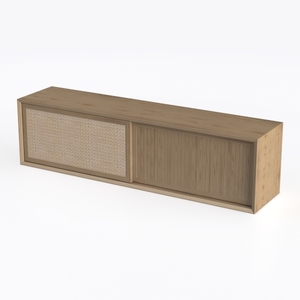
Minimalist Oak Rattan TV Cabinet 3D Model
Homestyler is your go-to online home design platform. With its user-friendly design tool, stunning 3D renderings, and a plethora of design projects and DIY video tutorials, you can effortlessly create and visualize your dream spaces. Start transforming your home today!
Design Now for FREE
































