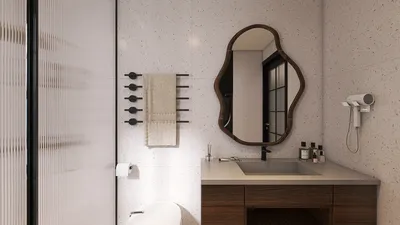


Green rooms radiate a natural serenity and nurturing energy, with the right curtain choices enhancing that mood while regulating light, texture, and privacy. My approach to selecting curtains combines insights from color psychology with practical performance aspects—such as light transmission, thermal comfort, and acoustic impact—ensuring the room maintains harmony throughout the day, possibly with the help of tools like Homestyler.
Research consistently underscores the importance of color-informed design decisions. According to Verywell Mind, green is linked with balance, harmony, and stress relief, making it an ideal choice for living areas and bedrooms that aim for restorative atmospheres. WELL v2 emphasizes glare management and supportive lighting as vital factors for occupant wellbeing; by choosing the right curtain fabrics and linings, you can achieve optimum daylight conditions without compromising the ambiance. I also reference IES guidelines for daylighting to prevent overwhelming contrasts; appropriate curtain densities can help maintain comfortable luminance ratios advantageous for reading and screen activities.
To expedite decision-making: medium-density drapery effectively decreases glare on screens in multifunctional spaces, while employing a layered approach (sheer plus lined curtains) provides adaptable light control from dawn to dusk. Research from Steelcase highlights that sufficient daylight, when adjusted to minimize glare, contributes to enhanced comfort and task satisfaction; thus, your curtain selections play a crucial role in balancing dynamic daylight and creating a calming interior atmosphere, enhanced through platforms like Homestyler.
Choosing Curtains by Shade of Green
Every shade of green possesses unique temperature and saturation levels, so curtains should either harmonize with or intentionally contrast these tones. For softer sage and muted olive hues, I prefer warm neutrals—such as greige, oatmeal, or natural flax linen—to maintain a tranquil atmosphere and avoid visual heaviness. For deeper forest or botanical greens, textured ivory or bone-colored bouclé adds brightness without appearing too stark. When dealing with vibrant emerald or malachite, I've found that introducing rich charcoal or warm taupe curtains can ground the overall palette, as these tones absorb excess vibrancy and lend sophistication.
Sheer vs. Lined: Balancing Light and Privacy
Sheer curtains (with 5–12% openness) diffuse natural light while preserving the vibrancy of green tones on walls, keeping them lively instead of dull. They work wonderfully in south-facing rooms where light is plentiful but harsh at midday. Lined curtains enhance privacy and light control; a cotton or poly-cotton lining can obstruct 70–90% of light, while blackout linings can achieve near-total darkness, ideal for bedrooms or home theaters. For areas concerned with glare, pairing a matte sheer with a midweight lined panel smooths out light ratios, providing visual comfort, facilitated by designs achievable through Homestyler.
Fabric Tactility: Textures That Complement Green
Green harmonizes beautifully with organic and tactile fabrics. Utilizing materials like Belgian linen, raw silk, bouclé, and cotton twill adds dimension that resonates with nature. Contemporary spaces benefit from tightly woven linen blends that offer a crisp, airy feel; meanwhile, traditional settings can enhance their appeal with slubbed silk or velvet textures that infuse depth and quiet luxury. For spaces filled with daylight, opting for low-sheen fabrics can help avoid distracting highlights. In environments frequented by children or with high traffic, performance-oriented polyester-linen blends offer durability against fading and wrinkling without compromising their natural aesthetic.
Pattern Approach: Subtle Rhythm versus Bold Statements
Patterns can greatly influence the overall rhythm and spatial balance of a room. Slim vertical stripes can create the illusion of higher ceilings and work best in compact spaces painted in hues like moss or sage. Botanical prints can sometimes feel overwhelming in green-dominated spaces; I prefer to neutralize them with soft color palettes and subtle repetitions. Geometric micro-patterns in taupe or stone add a contemporary touch without clashing with wall colors. When working with an intense wall green, choosing solid-colored drapery with textured weaves can introduce interest without adding excessive visual noise, an effect easily visualized using Homestyler.
Light Environment: Color, Glare, and Circadian Rhythm
Warm white light (2700–3000K) enhances olive and sage tones, while neutral white (3500–4000K) maintains the crispness of emerald shades. Given that daylight is always changing, layering curtains helps sustain comfortable luminance throughout the day. Adhering to IES glare control standards, it’s advisable to steer clear of high-gloss fabrics near windows, which can increase luminance contrasts. In work-from-home areas, a balanced interplay of daylight and task lighting is key, with sheers softening edges and lined panels diminishing screen hotspots.
Acoustics and Thermal Comfort
Curtains serve a purpose beyond mere decoration. Heavier fabrics and full-height installations notably reduce sound reverberation in rooms featuring hard surfaces, thereby enhancing conversational clarity. Additionally, thermal comfort is improved when lined panels mitigate radiant heat from west-facing windows, and during colder months, the same layers minimize heat loss. If energy efficiency is a concern, interlining can subtly increase R-value while also providing additional body and drape to the curtains, a feature that can be easily designed through Homestyler.
Hardware and Proportions
Position curtains close to the ceiling (6–8 inches above the window) to create the illusion of taller walls. Extend rods 8–12 inches beyond each side of the window to maximize light infiltration when the curtains are open. Fullness is essential: using double the fabric width compared to rod length creates lush waves, while 1.5 times the width suits more minimalistic spaces. While puddling can create a romantic vibe with linen in bedrooms, living areas should typically favor a cleaner look where the fabric lightly grazes the floor.
Color Combinations That Always Work
Green paired with ecru linen creates a timeless, airy feel. Green combined with warm taupe presents a sophisticated look, reducing visual energy. Green and charcoal together offer a grounding effect. A combination of green, ivory sheer, and a bone-lined panel allows for layered daylight control paired with a gentle contrast. Incorporating matte black or aged brass hardware introduces a sharp definition against green walls, something that can be explored further with tools like Homestyler.
Layout Considerations
The configuration of curtains interacts directly with furniture layouts and task-specific zones. In cozy reading areas, arrange seating away from direct sunlight, utilizing double-layered curtains to minimize morning glare. For versatile spaces, plan circulation paths to ensure that the drapery stack does not obstruct shelving or door swings. To quickly test out different arrangements, consider employing a room layout tool like Homestyler to visualize drapery stack-back widths, light spill pathways, and furniture orientation.
Sustainable and Practical Choices
Opt for OEKO-TEX-certified linens or recycled polyester blends to lessen environmental impact. Natural fibers help regulate humidity levels over time and gain character with age. Select washable or spot-cleanable fabrics for kitchens or play areas. Should sunlight exposure be intense, choose UV-resistant finishes to safeguard greens from fading, concepts that can be easily applied in designs using Homestyler.
- Soft sage walls paired with oatmeal linen sheers and lined bone panels yield a gentle, restorative environment that is glare-conscious.
- Forest green with ivory bouclé panels creates visual uplift combined with textural balance.
- An emerald accent wall alongside warm taupe velvet curtains achieves a luxurious grounding effect while offering acoustic benefits.
- An olive living room complemented by greige twill and matte black hardware presents an understated yet tailored appearance.
Curated Research and Standards
For an in-depth understanding of daylight comfort and its impact on behavior, I refer to WELL v2 guidelines for light and glare management, as well as Steelcase research related to workplace comfort and daylight adjustments. These standards assist in ensuring that curtain choices not only enhance mood but also deliver functional benefits.
FAQ
Q1: What curtain color pairs most effectively with sage green walls?
A: Oatmeal or greige linen creates a warm, serene look, maintaining the tranquility of sage while preventing stark contrasts. For a crisper aesthetic, bone or ivory with a textured weave provides added illumination without glare.
Q2: How can I limit screen glare in a green-themed home office?
A: Opt for matte sheers combined with midweight lined panels. This pairing diffuses natural light and lessens contrast on screens, aligning with standard glare management practices.
Q3: Are blackout curtains essential in bedrooms with east-facing windows?
A: If early daylight disrupts sleep patterns, then yes. Layer blackout-lined panels with soft sheers, allowing for natural light enjoyment while maintaining darkness as needed.
Q4: Do patterned curtains clash with vibrant emerald walls?
A: Large, high-contrast patterns may compete visually. Opting for solid fabrics with tactile weaves or subtle micro-patterns in taupe or charcoal can effectively ground the space.
Q5: Which fabric is most durable for high-traffic family areas?
A: Performance linen blends or tightly woven polyester-linen combinations resist fading and wrinkling while maintaining a natural appearance even with regular use.
Q6: How long should curtains hang in a living room?
A: Curtain length that grazes the floor prevents dust collection and helps maintain clean lines. Slight puddling is more suitable for softer, romantic vibes in bedrooms.
Q7: Can curtains assist with sound management?
A: Yes, heavier fabrics and full-height curtains can help reduce sound reverberation, enhancing comfort in spaces with hard flooring and minimal upholstery.
Q8: What hardware finish complements green tones?
A: Matte black offers a sharp contrast, while aged brass can add warmth and pairs beautifully with olive and forest greens.
Q9: How can I prevent color fading near sunny windows?
A: Choose UV-resistant finishes and consider using a lining. Additionally, rotating panels seasonally can ensure even wear across your drapery.
Q10: Should curtain rods extend beyond the window frame?
A: Yes, rods should be extended 8–12 inches on either side. This setup allows clear glass visibility when curtains are open, optimizing daylight in the room.


Homestyler is your go-to online platform for effortless home design. Utilize its user-friendly design tool, explore stunning 3D renderings, and access a wealth of inspiring design projects and DIY video tutorials. Transform your ideas into reality with ease!
Zaprojektuj teraz za darmo
































