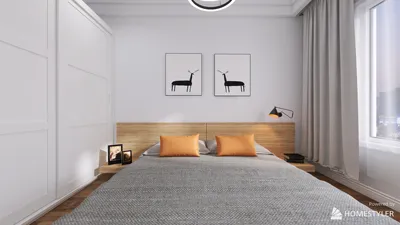


A while ago, I nearly compromised an entire collection of wooden craft houses by neglecting to apply primer — a beginner’s blunder that highlighted the importance of preparation. I quickly grasped that working with tiny pieces requires accuracy, where minor adjustments can yield significant visual impacts. Utilizing a room layout simulation was particularly helpful to visualize how a row of painted houses would look on a narrow shelf, ultimately preventing a color clash on my mantel.
Inspiration 1: Seasonal Village Series
I enjoy painting seasonal sets — think of pastel colors for spring, earthy ochres for autumn, and shimmering whites for winter. This strategy allows for easy decor rotation, keeping my displays feeling fresh without the need for new furniture. Although storage for out-of-season items is necessary, affordable and organized boxed sets make this easy.
save pin
Inspiration 2: Ombre and Watercolor Washes
Creating an ombre effect across several houses results in a modern and harmonious cluster. Using watered-down acrylics or inks provides a soft, boutique aesthetic, perfect for gifts; controlling drips is a bit challenging, so it's wise to test on leftover wood first. Budget-friendly tip: slightly dilute pricier paints to extend their use while still achieving a lovely wash.
save pin
Inspiration 3: Distressed Vintage Looks
save pin
Inspiration 4: Mixed Media with Tiny Lights
Incorporating paper cutouts, foil accents, and micro-LEDs transforms a painted house into a captivating mini installation. I often use digital tools for home styling, like Homestyler, to prototype placements, ensuring the lighting appears just right before any drilling occurs; while managing wiring and battery access poses practical challenges, the enchanting nighttime display is worth it.
save pin
Inspiration 5: Mini Murals and Stenciling
Consider painting small scenes on the facades of your houses — such as a bakery sign, a cat in a window, or a forest motif — to narrate a story in your display or shadow box. Stenciling keeps your designs sharp and repeatable, though intricate murals require a steady hand. These charming houses can also serve as wonderful spice jar toppers or decorative pieces on countertops, linked to creative kitchen layout ideas.
save pin
FAQ
Q1: What type of paint is best for wooden craft houses?
My preferred choice is acrylic paint due to its quick drying time, strong adhesion, and wide range of colors. Always remember to prime bare wood for even absorption and durability.
Q2: Is it necessary to seal finished pieces?
Definitely—apply a clear varnish or matte sealer to safeguard the paint and make the surfaces easier to clean. Spray sealers provide an even coat, while brush-on varnish allows for greater control, especially for intricate details.
Q3: Are these projects safe for kids?
Use non-toxic, AP-labeled art supplies and keep an eye on small components like LEDs and batteries. It's best to steer clear of tiny embellishments for very young children, opting instead for washable tempera or certified safe acrylic paints.
Q4: How can I photograph wooden craft houses for selling purposes?
Utilizing natural, diffused daylight and a neutral background will emphasize the true colors of the pieces; adding a small reflector helps minimize shadows. Take pictures from multiple angles and include an item like a hand or coin for scale so potential buyers can gauge the size.
Q5: Is it possible to combine paint with paper or fabric?
Absolutely — decoupage is a beloved technique that brings texture and pattern without complex painting. Just make sure to thoroughly seal the edges of the paper to prevent lifting.
Q6: How can I ensure my painted house matches my home decor?
Choose one or two accent colors from your room and reflect them onto the houses — this achieves a well-balanced display that feels integrated rather than competing. If you'd like to experiment prior to painting, Homestyler can be a great tool to visualize how colors interact on your shelves.
Q7: Any advice on integrating electronics like micro-LEDs into my designs?
Plan out battery access and wiring before you start; while hot glue is effective for adhesion, it can complicate future repairs. Test the lighting in dim conditions and consider using diffusing strips for a softer glow.
Q8: Are there safety standards I should be aware of for art materials?
Certainly — always review labels and safety data sheets for the products you use. The U.S. Consumer Product Safety Commission (CPSC) advises avoiding paints containing lead and consulting their website for the latest safety information.
Homestyler is your go-to online home design platform that simplifies the design process! With its user-friendly design tool, stunning 3D renderings, and a wealth of DIY video tutorials, you can effortlessly create and visualize your dream space. Start designing today!
Design Now for FREE
































