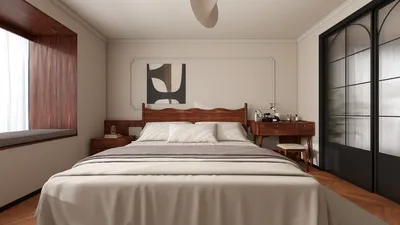


In recent years, there's been a significant resurgence of wood paneling in living room designs, though it's a far cry from the dark and dated styles of the 70s. Modern trends favor natural textures and cozy minimalism, making wood a prime choice for enhancing smaller spaces with its depth and warmth. In this piece, I’ll explore 10 creative wood paneling ideas for living rooms that I've personally implemented or observed in various projects. These inspirations demonstrate how small spaces can ignite big creativity.
1. Vertical Slats to Create an Illusion of Height
My Insight: In a compact urban apartment project from the previous year, the introduction of vertical wood slats uniquely elevated the living room’s appearance, lending it an air of elegance. This design choice complemented the client’s neutral interior palette beautifully.
Advantages: Vertical slats naturally draw the eye upwards, creating the illusion of higher ceilings. They work harmoniously with Scandinavian designs and can complement insights from sources like Architectural Digest regarding small living room optimizations.
Drawbacks: Custom woodwork can be costly, and the slats require regular cleaning to prevent dust build-up.
Suggestion: Integrating the slats behind a media console with hidden storage, similar to my minimalist living room storage concept, can keep clutter at bay.
2. Airy Light Oak Panels
My Insight: I adore the use of wide, light oak panels; they reflect an ample amount of natural light, ensuring the living space feels more expansive. This technique works particularly well in rental renovations where paint modifications are restricted.
Advantages: Light wood enhances brightness, creates a softer ambiance, and effortlessly integrates with various furniture styles. Furthermore, light oak is adaptable for future decor changes.
Drawbacks: It may appear flat without layering textures; incorporating textiles such as boucle or linen can help maintain warmth and avoid a sterile environment.
3. Charming Reclaimed Wood Feature Walls
My Insight: During a countryside retreat project, my client fervently requested the use of reclaimed barn wood. The weathered finish introduced substantial character and a sense of history to the space.
Advantages: This sustainable choice is rich in character and effectively conceals minor wall imperfections. Reclaimed wood showcases unique grains and knots that tell a compelling story.
Drawbacks: The weight of the wood might be significant, and older planks may require pest treatment before installation.
4. Stylishly Painted Wood Paneling
My Insight: Occasionally, the natural grain of wood takes a backseat; in one loft project, I painted the paneling a deep navy, providing dimension without reducing the space's openness.
Advantages: This method introduces vibrant color while maintaining wood's subtle texture. Painted panels offer a way to align with seasonal trends without altering the fundamental structure.
Drawbacks: This approach can obscure the inherent warmth of the wood, making it feel less inviting to certain homeowners.
5. Elegant Half-Height Wainscoting
My Insight: This technique is my preferred choice for adding understated elegance, particularly in transitional living room styles. It frames furniture beautifully without overwhelming compact spaces.
Advantages: This style protects walls from scuffs, adds architectural detail, and is more budget-friendly compared to full-height paneling.
Drawbacks: It might come off as overly formal in contemporary settings unless balanced with more relaxed décor.
6. Dramatic Dark Walnut
My Insight: In larger living rooms, I occasionally opt for dark walnut paneling to establish a moody, library-like feel. I pair it with oversized artwork for a striking contrast.
Advantages: This choice infuses richness and a sense of luxury while grounding bright spaces with its depth.
Drawbacks: If not balanced with lighter furnishings, it may make smaller areas feel even more confined.
Suggestion: In open-plan environments, integrating walnut paneling into a feature wall behind shelving can create a cohesive look, similar to the one I utilized in a living-dining area project.
7. Chevron and Herringbone Patterns
My Insight: Using patterned wood paneling is an excellent means of introducing movement and sophistication to a room. I recently implemented a chevron backdrop behind a sofa in a minimalist condo, creating an immediate focal point!
Advantages: These designs are eye-catching, combining texture with geometric patterns, fitting seamlessly into both modern and traditional decors.
Drawbacks: Such intricate patterns tend to be more labor-intensive, leading to higher installation expenses.
8. Floor-to-Ceiling Built-in Storage Solutions
My Insight: Merging shelving with concealed cabinetry in wood paneling can revolutionize a living room into a multifunctional space.
Advantages: This design maximizes storage potential in compact living rooms, maintains clean lines, and creates a harmonious aesthetic.
Drawbacks: Built-in units may restrict future layout alterations due to their fixed nature.
9. Mixed Material Integrations
My Insight: I appreciate blending wood with materials like glass or metal for a warm yet industrial vibe. This approach is ideal for urban lofts seeking contrast.
Advantages: Mixing materials breaks visual monotony, highlights artwork, and showcases your personal style.
Drawbacks: If not meticulously planned, it can result in a cluttered appearance.
Suggestion: I previously paired oak panels with smoked glass, drawing inspiration from glass backsplashes that enhance airiness in kitchens — this same idea can be effectively applied in living areas as well.
10. Concealed Doors within Paneling
My Insight: For a luxurious project, we cleverly hid a home office door within full-height wood paneling, leaving guests unaware of its presence!
Advantages: This design creates a seamless look, discreetly conceals functional spaces, and adds an element of intrigue.
Drawbacks: This approach often incurs higher custom carpentry costs and requires precise installation to ensure effectiveness.
Conclusion
Opting for wood paneling in a living room today is not synonymous with outdated fashion — rather, it embodies intelligent design that can serve multiple purposes. Particularly in smaller living areas, the right paneling can contribute depth, storage, and patterns without overwhelming the aesthetics. According to Homestyler, natural materials continue to lead the trend in living room designs for 2024. Which of these ideas would you be excited to incorporate into your own home?
Frequently Asked Questions
Homestyler is your go-to online home design platform! With its intuitive design tool and stunning 3D rendering capabilities, you can easily create and visualize your dream spaces. Plus, the extensive library of design projects and helpful video tutorials make it perfect for both beginners and seasoned DIYers alike.
立即免费设计
































