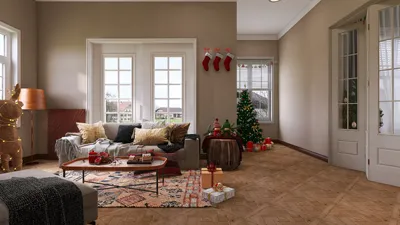


I once worked with a client who insisted that their compact studio should have a "window that faces the sunset" — despite being on the north side. It struck me as humorous at first, but then I crafted a lighting strategy that created an illusion of the golden hour every evening in that tricky corner. Small spaces demand innovative thinking, and effective window lighting can change the entire ambiance.
1. Layered Natural Light with Sheer Drapes
To capture both warmth and privacy, I frequently combine a blackout panel with a delicate sheer curtain. This approach allows for controlled daylight and a softly diffused appearance that gives the illusion of a larger room. One minor drawback is the requirement of two rods and some extra sewing, but for those on a budget, clip-on sheers are a perfect solution, eliminating the need for drilling into thin frames.
save pin
2. Slim Window Seat Integrated with LED Lighting
Incorporating a sleek window seat not only creates a visual centerpiece but also offers additional storage options. I often place a warm LED strip under the seat’s edge, casting a soft glow onto the floor — making the space feel inviting and emphasizing the window area. While the sill depth may decrease slightly, the added storage benefits usually outweigh this compromise.
save pin
3. Use of Reflective Surfaces: Mirrors and Glossy Furnishings
Positioning a mirror opposite or next to a window can enhance the natural light substantially. I have used tall, narrow mirrors that lean against walls to simplify installation while avoiding the hassle of heavy mounting. This hassle-free method effectively brightens the space, although care must be taken to position them correctly to avoid glare from awkward angles.
save pin
4. Magnetic or Clip-On Task Lights for Surface Activities
For those who utilize the sill for plants, work, or reading, magnetic puck lights or clip-on lamps prove incredibly useful. They offer focused illumination without needing hardwiring and can be easily adjusted. The only downside is the need for battery replacements or USB charging, but this minor inconvenience is well worth the flexibility they provide, especially in rental spaces.
save pin
5. Layered Artificial Lighting: Combining Sconces and Floor Lamps
As daylight diminishes, pairing a wall sconce next to the window with a tall floor lamp positioned in a corner creates a balanced lighting scheme. I prefer adjustable-arm sconces that can aim light onto curtains, producing a subtle glow. This approach requires careful sizing in narrow spaces, but when executed properly, it creates a warm and inviting atmosphere.
Small areas inspire creative solutions — and window lighting stands out as an effective way to make any compact room feel larger and more welcoming. For an immediate visual plan to experiment with these ideas, consider using the Homestyler 3D tools, which assist in presenting options to clients during the initial design stages.
save pin
Tips 1:
A quick budget tip is to focus on treatments that enhance daylight first (like sheers or mirrors) before spending on fixtures. For tenants, opt for non-invasive clips and leaning structures. If planning a renovation and needing to precisely map light sources, I often sketch a simple sun path, placing fixtures where natural shadows appear; using a digital layout planner like Homestyler can help visualize these elements effectively.
For more ambitious projects that integrate daylighting with custom cabinetry, generating realistic previews has proven beneficial — it minimizes back-and-forth with contractors. A reliable preview not only saves time but also alleviates stress; consider utilizing an AI-assisted visualization tool for expedited design iterations.
save pin
FAQ
Q: What window treatment is best for maximizing natural light in a small space?
A: Lightweight sheer curtains or light-filtering blinds work best, diffusing harsh sunlight while maintaining brightness. Layering sheers with opaque options provides versatility.
Q: How can I warm up a north-facing window?
A: Utilize warm-toned LED strips or paint walls near the window in warm hues, plus add reflective surfaces to enhance available light. Adjusting artificial lights to a temperature of 2700–3000K can help replicate the warmth of sunset.
Q: Are LED strips safe for window seats and sills?
A: Absolutely, low-voltage LED strips are safe when properly installed and kept dry; selecting IP-rated strips for plant-heavy areas is advisable.
Q: Can leaning mirrors damage window frames?
A: It's advisable to use felt pads and secure the mirror correctly; heavy impacts can injure thin frames. For rentals, it's best to keep mirrors freestanding to avoid permanent alterations.
Q: How can I prevent glare from mirrors placed near windows?
A: Adjusting the mirror’s angle slightly or offsetting its position to avoid common viewing angles can mitigate glare. Such small adjustments can significantly enhance comfort.
Q: Will layered curtains make a room appear smaller?
A: Only if they're hung too low; by mounting rods above the frame and extending them beyond the sides, you can create the illusion of a larger window. The choice of fabric also matters: stick with lightweight sheers combined with medium-weight panels.
Q: What lighting temperature is ideal for accentuating windows?
A: For more intimate living spaces, a color temperature around 2700–3000K is preferable; for tasks like working at a window sill, 3000–4000K offers a clearer, sharper light.
Q: Where can I find reliable information on residential lighting standards?
A: I highly recommend the Illuminating Engineering Society (IES) for standards and guidelines; their publications offer evidence-based specifications for residential lighting (https://www.ies.org/).
save pin
Discover the ease of home design with Homestyler! This user-friendly platform offers an intuitive online design tool, stunning 3D renderings, a variety of design projects, and helpful DIY video tutorials. Transform your ideas into reality effortlessly and inspire your creativity today!
Concevez maintenant gratuitement
































