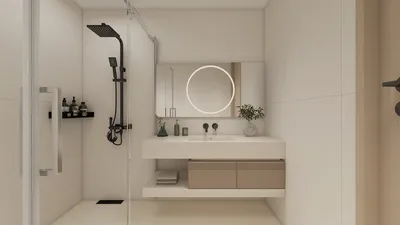


I once transformed a toddler's room into a bright white space at the request of the owner, who desired a ‘clean slate’—only for the child to instantly fill it with marker art overnight. Through this experience, I quickly understood that white in children's rooms requires both personality and patience, rather than merely applying a fresh coat of paint. If you're looking to visualize your area, remember that small adjustments can enhance the warmth, playfulness, or tranquility that a white backdrop can convey. Tools like Homestyler can help with this visualization.
1. Cozy Cream Foundation with Fun Accents
Opting for a warm cream as the primary white not only conceals scuffs but also highlights wooden hues. Incorporating a splash of color through an accent stripe or a whimsical stenciled area can energize the room and is easy to alter as preferences evolve. This approach is budget-friendly and forgiving, perfect for creating a snug atmosphere, though keep in mind that creams may take on a yellowish tone under cooler LED lighting.
save pin
2. Bold White with Colorful Trimming
Using a pure, bright white wall alongside vibrant trim colors like navy, mint, or coral gives a kids' space a sophisticated structure while infusing plenty of character. This contrasting look effectively highlights toys and artwork while minimizing evidence of tiny fingerprints on the trim, especially if mid-sheen paint is used. While the precision of trimming requires time and a steady hand, the result is a room that can grow alongside your child.
save pin
3. Muted Greige and Designated Play Areas
Soft greige—a blend of white with hints of gray and beige—creates a serene backdrop that reflects light but is less prone to staining. To keep main walls looking fresh, I've often painted designated play zones (like half walls or chalkboard panels). For those who want to sketch a room layout during planning, utilizing a tool like Homestyler helps visualize where these painted zones should be placed, though deciding which area should display the boldest patterns can be a challenge.
save pin
4. Textured White with Accented Wallpaper
Matte white combined with a touch of textured wallpaper—like grasscloth or washable vinyl—introduces depth without overwhelming with color. This combination is both forgiving and stylish, although wallpaper seams can be troublesome in humid spaces. My suggestion: opt for washable finishes in areas close to play zones and dedicate wallpaper to a single feature wall to keep expenses manageable.
save pin
5. Cool White Enhanced with Layers
Cool white tones can evoke a modern and airy feel. To prevent the room from feeling too clinical, I delve into layering textiles, rugs, and artworks. If you’re looking to experiment with color combinations and overall aesthetics, an AI design concept through platforms like Homestyler can provide insights into how various furnishings play off cool whites. However, keep in mind that these shades tend to showcase dust and necessitate warmer lighting to maintain an inviting atmosphere.
save pin
Tips 1:
When selecting white hues, bring home paint chips to evaluate them next to your child's favorite toys and curtains. It’s wise to purchase a tester can and apply a 1x1 foot patch in various lighting throughout the day, as the light dramatically alters the appearance of the paint.
save pin
FAQ
Q1: Is using white paint practical for children's rooms?
A1: Definitely—with the right finish and method. Utilize durable finishes on lower walls, washable paints around play areas, and decorative accents to withstand wear and tear.
Q2: What paint finish is most suitable for white walls in kids' spaces?
A2: I suggest eggshell or satin for general wall areas since they are easy to clean while remaining non-reflective. Reserve semi-gloss finishes for trims and high-traffic spots for added durability.
Q3: How can I prevent white walls from appearing sterile?
A3: Incorporate texture and colorful trim, alongside rugs and artwork. Even minor color accents or patterned cushions can instantly warm a white room.
Q4: Are low-VOC white paints beneficial for kids?
A4: Absolutely—opting for low-VOC and zero-VOC paints decreases indoor pollutants while maintaining similar performance levels. The U.S. EPA recommends these options for better indoor air quality (https://www.epa.gov).
Q5: How much does it typically cost to repaint a child's room?
A5: The budget fluctuates based on size and finishes; many family-friendly repaints remain affordable if you keep wallpaper or custom designs to a minimum. I frequently advocate for a phased approach—paint now, enhance accents later to manage costs effectively.
Q6: Is it possible to mix different whites in a single room?
A6: Yes—combining warm and cool whites can create stunning contrast, but testing them together prior to commitment is essential. Lighting will reveal whether they blend harmoniously or clash.
Q7: What can I do to hide scuffs on white walls?
A7: Choose washable paint and consider opting for darker baseboards or mid-wall trim. Additionally, strategically placing storage units and soft furnishings can minimize contact with the walls.
Q8: When is it advisable to hire a professional for painting a children's room?
A8: Consider bringing in a professional if your project involves intricate trim work, custom murals, or durable commercial-grade finishes. For simpler tasks, DIY with test patches and quality brushes generally yields good results.
save pin
Looking to transform your space? Homestyler is your go-to online home design platform! With its user-friendly design tool, stunning 3D renderings, diverse design projects, and helpful video tutorials, you’ll find everything you need to create your dream home effortlessly. Start designing today!
Design Now for FREE
































