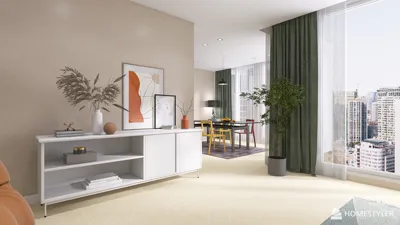


Throughout my ten years as an interior designer, I have witnessed various trends emerge and fade away, yet one style remains constant — the allure of a white living room. As we enter 2024, I find that textures layered together, warm undertones, and eco-friendly materials are trending. Personally, I am particularly inspired by small spaces, as they often encourage the most innovative design solutions. Today, I want to share 10 creative ideas for white living rooms, combining my expertise with well-supported insights.
1. Sleek White Living Room with Ingenious Storage Solutions
My Insight: I once revamped a compact 20 m² apartment, where the living area served as both a lounge and a workspace. A pristine white aesthetic, combined with clever hidden storage, maintained an open yet practical vibe.
Advantages: Enhances light reflection, making cramped areas appear more spacious; concealed cabinetry seamlessly integrates with walls, underscoring a minimalist design philosophy.
Disadvantages: May appear sterile if not balanced with textures or accent colors.
Suggestion: Introduce some knitted throws or soft linen cushions to warm up the sleek lines.
One memorable project involved a client’s desire for an efficient minimalist white living room storage solution, which turned into one of my top small-space transformations.
2. White Accented with Natural Wood
My Insight: The warmth of a quaint oak coffee table can transform the ambiance of a white space. I generally select walnut or light ash based on the desired atmosphere.
Advantages: Infuses organic warmth, preventing a clinical feel; adaptable to various styles, from Scandinavian to Japandi.
Disadvantages: Requires periodic maintenance, such as polishing or oiling, to sustain its appearance.
3. Textured Layers for Added Depth
My Insight: By incorporating cotton curtains, boucle armchairs, and a jute rug, layering white textures adds subtle visual depth while maintaining a monochromatic theme.
Advantages: Provides comfort and visual intrigue; effectively conceals minor wear and tear compared to flat surfaces.
Disadvantages: Overdoing layers can result in a cluttered look, despite the singular color scheme.
4. White Walls Graced by a Statement Art Piece
My Insight: In one of my designs, a striking oversized abstract painting created a focal point in an otherwise serene white living room.
Advantages: Offers versatility — artworks can be swapped out seasonally; keeps walls free from permanent modifications.
Disadvantages: Large art pieces necessitate proportional furnishings to maintain visual harmony.
5. Scandinavian White Enhanced with Soft Gray Accents
My Insight: This combination captures that effortlessly tranquil Nordic charm. I tend to use a ratio of 80% white to 20% soft gray for perfect equilibrium.
Advantages: Preserves brightness while introducing contrast; timelessness makes it suitable year-round.
Disadvantages: In low natural light conditions, gray tones can render the room cooler than intended.
6. Reflective Glossy White Surfaces and Mirrors
My Insight: I often employ glossy finishes on cabinets and pair them with a sizable mirror to enhance light levels — especially beneficial in urban apartments with limited natural light.
Advantages: Maximizes perceived space and brightness; effortless cleaning makes maintenance easy.
Disadvantages: Requires regular care to keep fingerprints and smudges at bay.
For a downtown loft project we executed, this technique of creating a glossy white living area combined with mirrors made the space feel immensely larger.
7. White Living Room Adorned with Greenery
My Insight: Plants thrive beautifully against a white backdrop. A singular fiddle-leaf fig makes a striking impression, but I love arranging small succulents on shelves too.
Advantages: Introduces life and vibrant contrast; also improves indoor air quality.
Disadvantages: Certain plants may require specific light and watering conditions, which can be high-maintenance.
8. Warm White with Cozy Lighting
My Insight: Transitioning from harsh white light bulbs to warm LED options transforms the feel of the room — suddenly, the space becomes cozy while maintaining brightness.
Advantages: Fosters an inviting atmosphere; warm whites are kinder to the eyes during evening hours.
Disadvantages: May slightly alter the appearance of wall colors in daytime light.
9. Architectural White Details
My Insight: Implementing white crown molding or wainscoting can introduce a touch of sophistication. During a renovation of a historic property, this detail helped modern furnishings integrate seamlessly with period architecture.
Advantages: Enriches visual appeal without disrupting a white palette; enhances property value.
Disadvantages: More elaborate surfaces necessitate additional dusting and touch-ups.
In one renovation, a client sought white architectural features merging contemporary and classic styles, ultimately making it the highlight of the room.
10. White Combined with Accent Metal Finishes
My Insight: Brass or gold fixtures against a white backdrop create an atmosphere that is both stylish and welcoming. I keep it understated — drawer handles, picture frames, or lighting fixtures work beautifully.
Advantages: Adds a touch of elegance without overwhelming; metallics reflect light, enhancing brightness.
Disadvantages: An excess of metal accents may appear excessive; regular polishing is necessary to maintain luster.
Conclusion
To me, a white living room is not about restricting creativity — it serves as a blank canvas that encourages intelligent, warm, and personalized design choices. As endorsed by Architectural Digest, layering textures and eco-friendly materials is essential for avoiding a sterile atmosphere. Which of these 10 inspiring ideas would you be most inclined to implement in your own space using Homestyler?
FAQ
1. What are the advantages of a white living room?
A white living room enhances light reflection, making the area appear more expansive while providing a versatile backdrop for various styles.
2. How can I prevent a white living room from looking dull?
Incorporate layered textures, accent colors, and natural materials such as wood and plants.
3. Is it challenging to maintain a white living room?
Not if you opt for washable fabrics and durable finishes. According to the Good Housekeeping Institute, high-quality paint ensures walls remain easy to clean.
4. Can I use white in a compact living area?
Definitely — it enhances the visual sense of space and brightness.
5. What white shades are most effective?
Warm whites are particularly effective in dim spaces, while cooler whites suit areas with ample natural light.
6. What design styles complement a white living room?
Scandinavian, minimalist, traditional, and modern aesthetics all harmonize beautifully with a white theme.
7. How do I introduce color into a white living room?
Utilize artwork, cushions, throws, or plants — all of which can be updated seasonally for a fresh look.
8. Can mirrors enhance a white living room?
Absolutely, strategically placed mirrors can maximize natural light, making a compact room feel larger.
Homestyler is your go-to online home design platform, perfect for anyone looking to create stunning interiors. With its user-friendly design tool, amazing 3D renderings, and a wealth of DIY video tutorials, transforming your space has never been easier or more enjoyable!
Design jetzt kostenlos
































