

One night, I painted a small studio's singular wall in metallic silver because the client claimed it would make the space feel futuristic. The result reflected every toaster crumb and my groggy face. This late-night endeavor taught me the dynamics of reflective finishes, how lighting can alter sheen, and the importance of moderation. For those looking to rejuvenate a compact area, a carefully applied metallic wall paint in silver can serve as a powerful tool.
Compact areas genuinely inspire grand ideas: a touch of shimmer can create depth, reflect light, and make ceilings appear higher. Drawing from years of experience in kitchen and studio renovations, I present five practical ideas—detailing why they work, what to be cautious of, and quick budget or installation advice.
1. Silver Accent Wall for Chic Minimalism
A single metallic silver wall placed behind a sofa or bed offers a subtle focal point without overwhelming the space. I utilized a satin metallic finish in an apartment bedroom, which beautifully reflected the soft glow of lamps, creating an instantly layered appearance; the secret lies in pairing it with matte furnishings to ensure the wall serves as an accent rather than a mirror.
Advantages: this approach makes a quick visual impact and is relatively inexpensive when limited to one wall. Challenge: proper surface preparation and even application are crucial to prevent streaks — it's wise to test sample patches beforehand.
save pin
2. Metallic Ombre — Transitioning from Silver to Gentle Gray
When a client desired drama without excessive bling, I created an ombre effect transitioning from deep gray at the base to metallic silver at eye level. This gradient softens the reflectivity and creates an illusion of vertical space, making ceilings feel elevated. It’s playful, modern, and conceals minor imperfections in walls as the gradient masks small flaws.
Budget tip: this technique demands more labor (taping, blending), but it can be done DIY-style with quality brushes and a blending sponge if you are patient.
save pin
3. Kitchen Backsplash Alternative with Metallic Paint
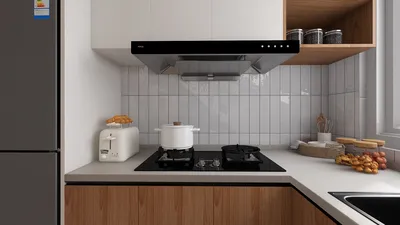
Instead of investing in expensive metal tiles, utilizing a carefully applied and sealed metallic silver paint behind the stove or sink can create a bright and effective backsplash. I always recommend topping it with a clear, washable sealer to guard against grease and steam – this method halved material costs in a recent kitchen redo, and the client adored the radiant appearance.
To visualize spatial dynamics before making permanent changes, I frequently create digital mockups so clients can preview light interactions and placements — a strategy that helps prevent surprises during installation. For authentic previews, I build detailed models to test finishes and sight lines.
save pin
4. Silver Ceiling for Expanding Small Rooms
Applying a low-sheen silver paint to the ceiling can trick the eye into perceiving a higher ceiling by reflecting light back into the room. I executed this in a narrow hallway using recessed LEDs — the outcome was a more airy and intentional feel compared to brighter wall colors.
Important note: keep sheen levels low and test under various lighting conditions; overly reflective ceilings may create odd lighting angles that feel cave-like.
save pin
5. Textured Metallic Accents for Added Dimension
Rather than using a flat finish, consider a thin metallic glaze over a textured plaster or bead-roller finish in cozy corners like reading nooks. I applied a delicate silver glaze over Venetian plaster in a client's foyer — many thought it was stone inlay until they touched it.
For those who enjoy blending technology with design, exploring AI-driven tools can help brainstorm placement and create mood boards — I often use Homestyler’s AI design suggestions to inspire color palettes, followed by manual refinement. A downside is that textured metallic finishes are more challenging to touch up, so it’s essential to factor in long-term maintenance within your budget.
save pin
FAQ
Q1: Is metallic wall paint in silver appropriate for smaller spaces?
A1: Absolutely — in compact areas, a controlled application adds depth and reflects light effectively. Use it sparingly (on one wall, ceiling stripe, or niche) and combine with matte features to prevent overwhelming the space.
Q2: What level of sheen should I select for silver metallic paint?
A2: I typically advise a low-to-medium sheen for walls to maintain softer reflections; high-gloss options may highlight imperfections and produce glare in direct light.
Q3: Do metallic paints necessitate a special primer?
A3: Often they do — metallics thrive with a tinted or bonding primer to ensure uniform coverage and adhesion, which minimizes the number of needed topcoats.
Q4: How can I avoid the pesky “dressing-room” mirror effect?
A4: Soften the finish (stay away from high gloss), limit the metallic areas, and balance with matte fabrics and lighting that provides diffuse, rather than harsh, highlights.
Q5: Is it viable to use metallic paint in kitchens and bathrooms?
A5: It is possible, but ensure to seal it with a clear, washable topcoat in humidity-prone spaces; avoid unguarded metallic finishes near heavy steam.
Q6: What budget should I realistically plan for a metallic accent wall?
A6: Material costs may be on par with premium paint, though anticipate greater labor expenses for achieving a flawless metallic finish; DIY is feasible but remember to include primer, sample cans, and sealers in your budget.
Q7: Are there safety or VOC considerations with metallic paints?
A7: Certain metallic paints contain higher VOC levels; choose low-VOC or water-based formulas if maintaining indoor air quality is important. Always check product labels and ensure ventilation during application.
Q8: Where can I access technical guidance on applying metallic paints?
A8: Manufacturer technical sheets are excellent resources — for instance, Sherwin-Williams provides comprehensive application recommendations and product datasheets at https://www.sherwin-williams.com for various metallic systems and primers.
save pin
Transform your home with Homestyler, the ultimate online design platform! Its user-friendly design tool, stunning 3D renderings, and a treasure trove of DIY video tutorials empower you to create your dream space effortlessly. Start your design journey today!
Concevez maintenant gratuitement
































