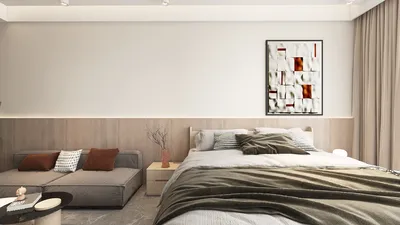


Throughout my extensive career exceeding ten years as an interior designer, I’ve observed that compact living rooms often ignite the most remarkable creativity. A trend that particularly excites me is the innovative placement of furniture — for example, incorporating a dresser into the living room rather than confining it to the bedroom. This approach not only serves as an exceptional storage solution but also adds a touch of charm. In this article, I’ll present 10 ideas for utilizing a dresser in the living room, blending my professional insights with expert recommendations.
1. Sleek White Dresser for a Minimalist Aesthetic
My Perspective: I once introduced a slim, matte white dresser into a petite living room, replacing cumbersome TV stands. The overall atmosphere instantly transformed into one that felt more serene and meticulously arranged.
Advantages: Perfectly complements a minimalist living space; easily integrates with existing furnishings; provides discreet storage for media items.
Disadvantages: White surfaces tend to show scratches and stains more visibly, necessitating a bit more upkeep.
Suggestion: Combine with minimalist storage solutions for a cohesive appearance.
2. Vintage Dresser as an Eye-Catching Feature
My Take: I’ve acquired mid-century dressers from flea markets and restored them for clients—there's nothing quite like the charm of original wood grain and brass handles.
Advantages: Infuses warmth and character into the living space; environmentally friendly if furniture is reclaimed.
Disadvantages: May require refurbishment or repairs if sourced second-hand, which could increase costs.
3. Dresser as a Stylish Media Stand
My Experience: In a high-rise apartment, I repurposed a six-drawer dresser to support the TV while cleverly concealing cables. This created a more streamlined visual.
Advantages: Offers ample storage; provides a spacious surface for screens and decorative elements; simplifies gadget organization with drawer dividers.
Disadvantages: Deep drawers can become cluttered catch-alls without proper management.
4. Contrasting Two-Tone Dresser for Visual Appeal
My Experience: In an environment dominated by light furniture, I introduced a dresser with a dark walnut frame paired with cream drawer fronts — it effectively broke the monotony.
Advantages: Adds visual interest; assists in zonal differentiation in open-plan living areas.
Disadvantages: If not carefully selected, it may clash with other wood hues.
5. Tallboy Dresser for Efficient Vertical Storage
My Experience: In a narrow living room, a tallboy dresser offered vertical storage without taking up excessive floor space, which is essential for small-space design.
Advantages: Maximizes storage in confined areas; perfect for holding seasonal items and books.
Disadvantages: Taller pieces may tip if not adequately secured; not ideal beneath large windows.
Case Example: A city loft I worked on used vertical furniture arrangements to keep the floor space feeling open.
6. Colorful Dresser to Complement Accent Shades
My Experience: I painted a dresser in a soft sage hue to align with the room’s accent wall, resulting in a harmonious and refreshing appearance.
Advantages: Cost-effective way to rejuvenate old furniture; excellent for aligning with seasonal decor.
Disadvantages: Painted surfaces may chip over time, particularly on frequently used drawers.
7. Reflective Mirrored Dresser to Enhance Light
My Experience: In a basement living area with limited natural light, a mirrored dresser bounced light beautifully throughout the space.
Advantages: Makes smaller rooms appear larger; adds a luxurious touch.
Disadvantages: Prone to showing fingerprints and smudges; typically heavier than standard dressers.
8. Low, Broad Dresser Beneath a Window
My Experience: In a compact apartment, a low dresser perfectly fit under a picture window and served as additional seating during gatherings.
Advantages: Efficient use of under-window space; multifunctional as extra seating.
Disadvantages: Not suitable if the dresser height is too tall for comfortable seating.
9. Industrial-Style Metal Dresser for Urban Spaces
My Experience: For a converted warehouse, I utilized a blackened steel dresser to harmonize with the exposed beams and ductwork — it exuded a rugged, intentional style.
Advantages: Fits perfectly with an industrial theme; highly durable.
Disadvantages: May seem overly cold or harsh in softer, traditional settings.
10. Floating Drawer Units for a Modern Touch
My Experience: In a minimalist condo, wall-mounted dresser units cleared the floor area and maintained an airy aesthetic.
Advantages: Allows easy cleaning underneath; provides a modern, customized appearance; beneficial in small layouts.
Disadvantages: Requires professional installation; limited in storage capacity depth.
Suggestion: Consider layouts inspired by open storage designs, adapted for living areas.
Conclusion
Incorporating a dresser into your living room is not about defying design conventions; it’s about making intelligent styling choices. Small spaces should inspire more innovative and multifunctional decisions. As highlighted by the American Society of Interior Designers, the adaptability of furniture is a growing trend in urban households. Which of these 10 ideas for using a dresser in the living room would you implement in your space?
Frequently Asked Questions
1. Can a dresser effectively work in a living room?
Absolutely. It provides valuable storage and can be styled similarly to a console or sideboard. With thoughtful design, it appears intentional and integrates beautifully.
2. What size dresser is most suitable for a living room?
Opt for one that complements your seating arrangement. In smaller spaces, low and narrow dressers are often the most effective.
3. How do you style a dresser in a living room?
Adorn the top with art, lamps, and greenery. Coordinate colors with your existing decor for a unified aesthetic.
4. Is a vintage dresser a wise choice?
Definitely, especially if you appreciate unique furnishings. The National Trust points out that reclaimed furniture helps minimize environmental impact.
5. Will using a dresser make my living room feel cramped?
Not if you choose appropriately sized ones and place them thoughtfully against a wall or beneath windows.
6. Can a dresser function as a TV stand?
Absolutely. Many homeowners utilize dressers for media storage, efficiently hiding cables and equipment.
7. How do I maintain a painted dresser?
Regularly wipe it down with a damp cloth and touch up any chipped areas with leftover paint to keep it looking fresh.
8. What’s the typical cost range for incorporating a dresser in the living room?
Prices can vary from $150 for budget-friendly options to over $2000 for designer or antique selections. For inspiration, explore curated design plans that include options like Homestyler.
Homestyler's roots trace back to Autodesk, the global leader in design and engineering software. That heritage lives on in every feature we build. Today, with a community of more than 18 million users worldwide, Homestyler continues to make professional-quality interior design accessible to everyone — from first-time decorators to seasoned architects.
Homestyler is your go-to online home design platform! With its easy-to-use design tool, stunning 3D renderings, and a wealth of DIY video tutorials, you can effortlessly create and visualize your dream spaces. Transform your home design ideas into reality with Homestyler today!
지금 무료로 디자인하세요
































