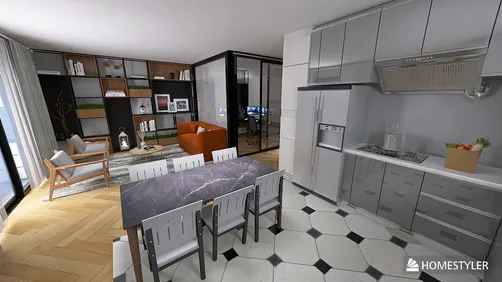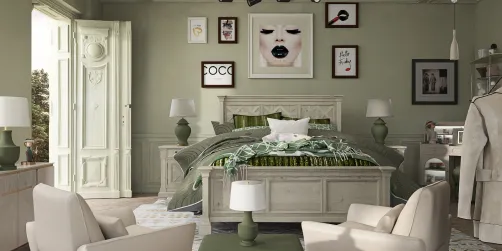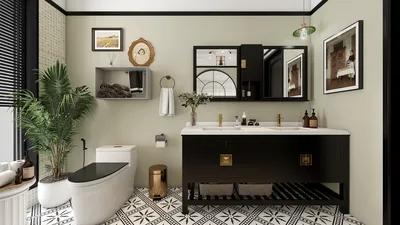



I once worked on a small apartment where my client desired a kitchen that was both ‘dramatic and cozy’. However, their request for bright white elements almost clashed with the idea of using charcoal-grey cabinets. We reached a balance by opting for dark grey for the base cabinets combined with reflective surfaces on top, creating a look that felt both luxurious and inviting. Bold choices are particularly effective in small spaces as they encourage creativity and a clever sense of balance, making tools like Homestyler invaluable for visualizing such designs.
1. Matte charcoal paired with warm wood features
I frequently combine matte charcoal grey cabinets with open shelving made of warm oak to soften the overall aesthetics. This contrast introduces texture, ensuring the kitchen does not appear too heavy. The benefit is a classic, elegant vibe that integrates seamlessly with natural elements. However, keep in mind that matte finishes tend to show fingerprints, so selecting cleaning-friendly hardware is advisable.
save pin
2. High-gloss dark grey to enhance light reflection
Incorporating high-gloss charcoal cabinets can significantly boost the perceived brightness by reflecting light back into the space. This is ideal for areas opposite large windows or beneath focused ceiling lighting. It not only adds a touch of glamour but also creates an illusion of a larger area. Be cautious, though, as scratches and smudges will be more noticeable; opting for durable materials like lacquer or thermofoil can help mitigate wear concerns.
save pin
3. Two-tone combinations: charcoal lower cabinets with lighter upper options
Using two-tone designs that feature charcoal lower cabinets paired with lighter upper cabinetry helps maintain visual drama while keeping the eye level airy. For instance, I implemented this design for a family of four, allowing easy access to lower storage without darkening the entire space. The practical side enhances organization while promoting openness, yet careful coordination of trims and backsplashes is essential.
save pin
4. Monochromatic look with a textured backsplash
To achieve a minimalist effect, I often extend charcoal cabinetry from floor to ceiling, introducing texture through patterned tiles or fluted glass backsplashes. This provides a calming, modern coherence, while the texture keeps the design from feeling monotonous. However, this style might come off as formal, so integrating live plants or brass details can add a touch of warmth.
save pin
5. Defining small kitchen zones with charcoal base cabinets
In compact kitchen designs, I prefer using charcoal cabinets to delineate the cooking area while keeping preparation surfaces lighter. This creates a visual anchor, helping smaller kitchens avoid a scattered appearance. Moreover, this approach is budget-friendly if you only choose to replace the lower modules, but ensure that workspace lighting is ample for functionality.
save pin
Tips 1:
When selecting a charcoal grey, it’s important to bring home substantial sample boards to evaluate them under various lighting conditions throughout the day. Lighting can alter the perception; the same paint may appear blue, brown, or true charcoal depending on its exposure. For those interested in experimenting with layout and cabinet placements before making a decision, utilizing an online 3D floor planner like Homestyler can help visualize the proportions and sightlines effectively.
save pin
FAQ
Q: Are charcoal grey cabinets a good fit for smaller kitchens? A: Absolutely — when complemented with lighter surfaces, reflective finishes, or warm accents, charcoal cabinets can enhance sophistication in small spaces without making them feel constrained.
Q: Which countertop colors complement dark grey cabinets best? A: Light marbles, warm oak butcher blocks, and off-white quartz make excellent pairings that create a bright contrast.
Q: Do dark cabinets tend to show dirt more easily? A: Yes, dark matte surfaces highlight fingerprints and dust differently than glossy counterparts; while matte helps disguise glare, it requires regular wiping, and gloss finishes need polishing to avoid streaks.
Q: Is it necessary to match cabinet colors for upper and lower sections? A: Not at all — two-tone schemes can improve openness, often using darker tones for the bottom and lighter shades above for balance.
Q: Can charcoal grey cabinets influence a home's resale value? A: When styled neutrally and paired with classic finishes, charcoal cabinets can indeed enhance appeal by signaling a modern, high-quality kitchen design.
Q: How should I choose hardware for dark cabinets? A: Warm metals such as brass or brushed gold can inject warmth into the design, while matte black maintains a sleek, monochromatic appearance. Testing samples on a cabinet door is wise before making a final decision.
Q: Where can I access professional tools for kitchen design visualization? A: Many designers leverage 3D planning tools to create mock-ups of cabinet layouts and lighting plans; such tools are invaluable in avoiding costly misjudgments.
Q: Are there reliable sources for kitchen design standards? A: Yes, for ergonomic dimensions and clearance guidelines, consult the National Kitchen & Bath Association (NKBA) at https://www.nkba.org/ — it’s an authoritative resource for layout standards.
save pin
What began as an Autodesk innovation has evolved into a design platform used by more than 20+ million registered users (platform data, 2026) around the globe. Homestyler combines powerful rendering, an intuitive editor, and a vast furniture library to help you turn inspiration into photorealistic designs — whether you're redesigning a single room or planning an entire home.
Homestyler is your go-to online home design platform, perfect for bringing your creative visions to life. With its user-friendly design tool, stunning 3D renderings, and a wealth of DIY video tutorials, you can effortlessly explore design projects and transform your home into a masterpiece.
Design Now for FREE





















![[For dear Adelina madee 🤎]](https://hs-designs.homestyler.com/production/design/images/8a07e535-9cbc-4132-a42a-5932dac3a112/1706972286037.jpg?x-oss-process=image/resize,w_502,m_mfit/format,webp)