

I've salvaged countless doors, from solid-core slabs in historic apartments to decorative paneled ones from farms, and even weathered doors with unique stories carved into their surfaces. These old doors are not just visually appealing; they are robust materials featuring thick timber, generous dimensions, and distinctive hardware. When creatively repurposed, they transform into resilient furniture pieces, stunning architectural features, and meaningful storage solutions. Utilizing platforms like Homestyler can help you visualize these transformations.
There are practical advantages as well. Research from Herman Miller indicates that well-designed spaces can enhance productivity by 12–18%. Additionally, strategically allocated areas support movement and concentration—two aspects that can be improved by converting doors into room dividers, noise-reducing panels, or functional tables. The WELL v2 standards also emphasize that proper lighting and sound management are essential for occupant wellness, further demonstrating why refurbished doors are ideal for creating light-reflecting partitions or sound-absorbing surfaces.
From an ergonomic perspective, the Steelcase Workplace Index has consistently highlighted the importance of posture and small movements for overall comfort. By transforming doors into desks or standing bars that accommodate various heights, you align with these findings. In line with Verywell Mind's insights on color psychology, using blues and greens can enhance tranquility and focus—an effortless achievement when refinishing a door in low-VOC paint featuring performance-driven shades.
Project 1: Transforming a Door into a Dining Table with Perfect Proportions
A solid-core door can serve as a durable dining table top. Aim for a finished height of 29–30 inches, complying with ergonomic standards for seated dining. If the door showcases panels, consider insetting tempered glass for easy cleaning, or flip it and laminate the backside for seamless use. To ensure visual harmony, position table legs at one-third intervals along the length to balance weight and optimize legroom. Incorporate hidden steel C-channels along the edges to avert sagging. Finish with food-safe hardwax oil to preserve the texture while showcasing the door's charm.
Project 2: Creating a Sliding Barn Door Room Divider with Sound Control
Convert a substantial exterior door into a sliding partition to manage visuals and acoustics. Enhance sound absorption at speech frequencies (500–2,000 Hz) by attaching an MDF backer coated in wool felt. Ensure that hardware aligns with the door’s framework for structural strength. If you want to maintain flexibility in the space, use a room layout planning tool like Homestyler to simulate clearances and furniture arrangements. A soft-close rail will minimize noise from slamming, and edge gaskets can enhance the seal to limit sound bleed in tighter living environments.
Project 3: Designing an Elegant Headboard with Integrated Lighting and Calming Color Choices
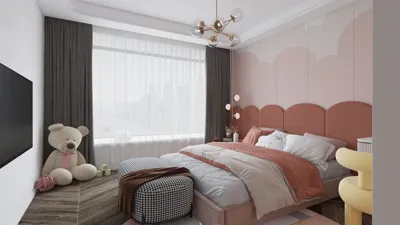
A vintage door can become a stunning headboard in your bedroom. Install it horizontally and incorporate sconces with a warm light range of 2700–3000K to align with bedtime routines, as this light spectrum supports evening circadian patterns. Choose a matte finish in soft blue-green shades for a soothing atmosphere—color psychology studies show these tones help diminish anxiety and encourage relaxation. Conceal wiring along the frame, add a shallow ledge for books, and opt for fabric-wrapped cords to maintain a cohesive aesthetic.
Project 4: Crafting an Entry Bench with Integrated Storage
Repurpose a narrow door into an entryway bench featuring a cubby structure below. The seat height should be between 17–18 inches, with a depth of 16–18 inches for comfort. Keep original doorknob backplates as hooks mounted above the bench, positioned at 60–66 inches for optimal reach. A recessed shoe tray lined with ribbed rubber matting helps contain dirt, while a slim cushioned seat enhances comfort without bulk. In tight entries, utilize an interior layout planner to optimize traffic flow and proximity to closets.
Project 5: Designing a Garden Potting Table with Eco-Friendly Finishes
Outdoor doors often show signs of weathering—ideal for crafting a potting bench. Set it at a height of 36 inches for standing work surfaces, and install a galvanized top within the panels, sealing edges with silicone. Use sustainable finishes like low-VOC exterior varnish or hardwax oil. Integrate a slatted lower shelf for drying pots and a magnetic strip on the rail for handy tools. You might even consider a small perforated backsplash from door panels to hang gardening tools.
Project 6: Creating a Mirror Armoire with a Stylish Rhythm
Paneled doors can beautifully serve as mirrored cabinet fronts. Cut mirrors to fit the recesses of the panels and accentuate each section with bead molding; this repeated pattern creates a vertical rhythm that elongates compact spaces. Inside, arrange shelves at intervals of 10–12 inches for folded items and add a 40-inch hanging area for coats. Ensure the use of soft-close hinges and a reveal of 1/8 inch to keep sightlines clean.
Project 7: Constructing a Coffee Bar or Standing Desk
Transform a narrow door into a wall-mounted standing bar at a height of 40–42 inches, ideal for most users. Reinforce with a steel angle framework secured to the studs. If repurposed as a desk, consider an anti-glare surface; a satin polyurethane or matte oil finish prevents reflective glare that may lead to visual strain under bright lighting. A discreet cable grommet can help keep cords tidy.
Project 8: Building an Outdoor Privacy Screen for Light Play
Join three doors at varying heights, leaving gaps of 2–3 inches between them for plants like climbing jasmine or clematis. Position slats to reflect afternoon light while mitigating excessive glare. Use exterior-grade screws and stainless steel hinges to ensure durability against the elements. This combination of solid and open panels creates visual balance and facilitates airflow.
Project 9: Establishing a Children’s Art Station with Ergonomic Features
Attach a door horizontally at 22–24 inches for a kid-friendly art table. Utilize a washable, non-toxic paint finish and add a paper roll beneath one edge. Round corners to a 1/4-inch radius for safety and select flush pulls instead of protruding handles. Equip the table with labeled bins for various art supplies—crayons, paints, clay—to encourage organization.
Project 10: Creating a Wall-Mounted Gallery or Photo Ledge
Repurpose door panels into framed sections for displaying art. Install a continuous French cleat for sturdy mounting. Maintain uniform spacing of 1.5–2 inches around each opening for balance and visual rest. Employ soft, 3000K lights for a warm wash that minimizes harsh contrasts while naturally showcasing textures.
Material Selection and Safety Considerations
Older doors may have lead-based paint if built before 1978. Conduct a lead test with a certified kit and use wet-sanding, containment, and appropriate safety gear if remediation is necessary. When cutting doors, always wear a respirator and make cuts along stiles and rails to preserve structural integrity. For finishing touches, opt for low-VOC, waterborne coatings and avoid high-gloss surfaces to reduce glare. Reuse original hardware—hinges, backplates, and mortise locks—either as decorative elements or functional hooks to enhance authenticity.
Lighting, Acoustics, and Comfort Enhancements
Warm task lighting (2700–3000K) aids in creating relaxation zones, while neutral white (3500–4000K) is optimal for areas like desks or kitchen counters. Adding felt liners or cork underlays to door-based furniture can help absorb vibrations and minimize noise transfer, especially beneficial for sliding dividers. For desks, ensure a 90–110 degree elbow angle and check that the tabletop thickness accommodates clamp-on lights without flexing.
Planning Your Space with Vintage Doors
Before starting your project, outline circulation patterns, necessary clearances, and key adjacencies. In compact apartments, allow for at least a 30–36 inch pathway around doors repurposed as tables. Utilize design tools for layout simulations to anticipate potential conflicts with elements like radiators, outlets, or window opening spaces.
Search for solid-core doors at salvage yards, deconstruction centers, or estate sales. Examine the bottom rail for rotting, check for delamination and warping—sight down the edge to identify any twisting. Original mortises can be filled and aligned with new hardware, or preserved for their historical character. Don’t overlook surface wear; it frequently adds a distinctive texture that new materials cannot replicate.
FAQ
Q1: How can I determine if a door is safe for indoor reuse?
A: Test for lead if the paint is older than 1978. If lead is present, safely encapsulate it with a certified primer or remove it with professional assistance. Look for structural issues, such as rot, splitting, and significant warping before repurposing it into furniture.
Q2: What height should I set a door-based desk or bar?
A: For seated use, aim for a height of 28–30 inches. For standing bars or desks, a height of 40–42 inches is optimal for most users. Pair it with an adjustable stool for versatility.
Q3: Can old doors assist with acoustics in open-plan areas?
A: Absolutely. Incorporate felt, cork, or MDF backers to amplify sound absorption, and use edge gaskets on sliding doors to limit sound leakage. Position dividers strategically to disrupt direct sound paths.
Q4: What finishes are best for heavily used surfaces like tables?
A: For durability and low-VOC protection, hardwax oils or waterborne polyurethanes are excellent choices. Satin or matte finishes also minimize glare compared to high gloss.
Q5: Which colors are most effective for concentration in a home office?
A: Shades of blue and blue-green are often linked to promoting calm focus, supported by insights from color psychology. Combine with neutrals and non-glossy finishes to mitigate visual fatigue.
Q6: How can I stabilize a long door used as a tabletop?
A: Strengthen it with steel C-channels or battens positioned beneath, ensuring support at one-third intervals. Avoid substantial overhangs without brackets.
Q7: What lighting recommendations exist for a door converted into a headboard or gallery?
A: Utilize warm lighting (2700–3000K) in bedrooms, and apply picture lights with diffusers to reduce glare. Keep fixtures positioned to avoid reflections at eye level.
Q8: Where can I acquire quality salvaged doors?
A: Architectural salvage yards, deconstruction services, and estate sales are reliable options. Look for solid-core or thick panel doors suitable for furniture crafts.
Q9: What is the best way to protect old hardware?
A: Carefully clean with mineral spirits, seal with wax, and avoid aggressive polishing that might strip away patina. Reuse backplates creatively as hooks or decorative features to maintain character.
Q10: What clearances should I plan around furniture made from doors?
A: Maintain walkways of 30–36 inches and at least 18 inches for tight spaces. Use a room design visualization tool like Homestyler to validate circulation around your furniture layouts.
Discover the ease of home design with Homestyler! This user-friendly platform offers a powerful online design tool, stunning 3D renderings, and a wealth of design projects and DIY video tutorials. Transform your space effortlessly and unleash your creativity today!
Design Now for FREE
































