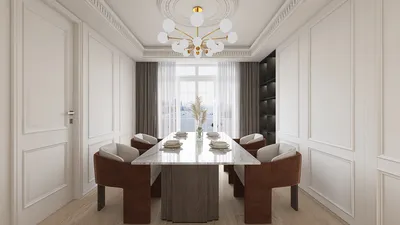


Once, while arranging an antique dresser in a client's dining area, I observed guests transforming it into a buffet, wine station, and storage spot. By the end of the evening, I discovered that a dresser can truly become the heart of social gatherings in a home. This unexpected realization taught me the importance of intentional planning regarding placement and functionality, and using tools like Homestyler to create room layout mockups has become invaluable before moving any heavy furniture around.
1. Transform a Dresser into a Chic Bar and Buffet
Repurposing a mid-century dresser as a bar or buffet is a favorite of mine; the drawers can cleverly conceal bottles, napkins, and extra glassware, while the surface serves as a serving station. The benefit is instant charm combined with ample storage. However, it's advisable to have a tray or glass rail to prevent decanters from sliding during busy gatherings.
Budget-friendly tip: simply refinishing the top or changing the hardware can yield a big visual impact without needing a complete refurbishment.
save pin
2. Slim Dresser as a Console Along the Wall
In narrow dining areas, a slim dresser doubles as a console. It’s shallow enough to maintain the flow of traffic while providing adequate space for placemats, table linens, and candles. This arrangement strikes a fine balance between storage and movement, but it’s critical to measure the clearance correctly so that chairs can slide back smoothly.
Practical tip: utilize adjustable drawer organizers to keep items tidy and facilitate quicker table setting.
save pin
3. Built-in Dresser Nook for Streamlined Storage
When feasible, I often integrate a built-in dresser nook, which feels tailor-made yet is more economical than full cabinetry. This integration lends a purposeful appearance and creates additional countertop space for dish staging, alongside a safe storage solution. While this approach may require more initial effort and potentially a contractor for backing and trim, the polished final look is well worth it — especially when visualized using Homestyler before making commitments.
save pin
4. Colored Dresser as a Visual Anchor
Giving a dresser a vibrant paint makeover turns it into a focal piece and harmonizes open shelving adorned with art and greenery on top. I’ve achieved this on a budget: a gallon of paint along with new knobs can make the dresser appear bespoke. The downside is that a bold color must coordinate with the rest of the dining décor, so it’s best to test paint swatches in natural light first.
save pin
5. Dresser-Pantry Hybrid for Compact Spaces
In small apartments, I frequently adapt a dresser into an extended pantry — utilizing drawers for dry goods, baskets for fresh produce, and the top space for small appliances or a coffee tray. This approach is highly efficient and keeps cooking and dining necessities easily accessible. To prevent lingering smells in fabric-lined drawers, it’s wise to use airtight containers; utilizing Homestyler for 3D visualizations aids in finding the ideal configuration for this hybrid setup.
save pin
FAQ
Q1: Can a dresser be used in a formal dining room?
A1: Definitely — incorporating a dresser can introduce warmth and storage into a formal setting. Select finishes and hardware that resonate with the room’s aesthetic to maintain a cohesive feel.
Q2: What depth is appropriate for a dresser positioned behind dining chairs?
A2: Ideally, look for a depth between 14" to 18" in narrower spaces to ensure chairs can be comfortably pulled out; always measure chair clearance before purchasing. For additional storage, a built-in niche could maximize walkthrough space.
Q3: Is it safe to place a wooden dresser near food prep areas?
A3: Yes, but it’s important to seal the top with a durable finish to withstand spills and heat. Employ trays or washable mats for areas where cookware or dishes will be set.
Q4: How can I avoid unpleasant odors when storing pantry items in dresser drawers?
A4: Use airtight containers and drawer liners; keeping coffee, spices, and strongly scented items in sealed jars will prevent contamination. Regular airing and cleaning are also beneficial.
Q5: Which style of dresser is ideal for a modern dining setting?
A5: Look for sleek lines, minimal hardware, and matte finishes which are ideal for contemporary spaces. For an interesting contrast, consider pairing an antique shape with modern paint.
Q6: Should dressers be secured in dining rooms?
A6: Yes, it’s essential to anchor tall or heavy items to a wall to mitigate tipping risks, particularly in families with children or during lively gatherings. Basic anti-tip kits are affordable and simple to install.
Q7: Where can I access tools for planning dresser placements?
A7: I frequently utilize room planning and 3D visualization tools, such as Homestyler, to evaluate sightlines and spacing; this saves time and helps avoid the hassle of moving heavy items unnecessarily. (Check for free planning case studies for guidance.)
Q8: Are there expert recommendations for dining room storage design?
A8: Yes! Professional organizations, including the American Society of Interior Designers, provide best-practice guidelines for circulation and ergonomics; refer to ASID for further insights (https://www.asid.org).
save pin
Homestyler is your go-to online home design platform. With its user-friendly design tool, stunning 3D renderings, and a wealth of DIY video tutorials, you can effortlessly create and visualize your dream spaces. Transform your home design ideas into reality with ease and inspiration!
Design Now for FREE
































