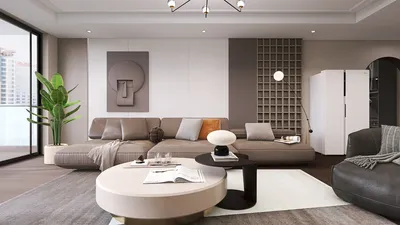


There was an instance when I designed for a client who desired a division between her living room and dining area, yet she insisted on avoiding walls, screens, or heavy furniture. At first, I thought, "This could be challenging." However, this constraint turned out to be a blessing as it encouraged me to harness my creativity. In smaller or open layouts, maximizing every inch becomes essential, sparking innovative solutions. Drawing from over a decade in residential design, I’m excited to present 10 effective strategies for dividing living and dining spaces without major renovations, all while considering how Homestyler can enhance your design journey.
1. Implement a Back-to-Back Sofa Arrangement
This method is my preferred choice when you seek to create defined zones without visual barriers. By positioning a long sofa with its back toward the dining area, perhaps complemented by a console table behind it, you create a gentle separation without imposing dividers. Just ensure that light remains unobstructed.
2. Alter Flooring Materials
Transitioning from hardwood in the living area to tiles or a rug in the dining section can be significantly effective. This serves as a clear visual indicator for different functions. In a recent project, I executed this idea in a compact apartment of just 25 square meters, and it was transformative.
3. Experiment with Ceiling Treatments
If budget permits, consider installing a dropped ceiling or decorative beams in one area. In a particular project, I introduced subtle paneling above the dining section, elegantly framing the table without making the space feel lower.
4. Furnish with Clustered Arrangements
Rather than pushing all furniture against the walls, group your sofa, coffee table, and chairs closely to craft a designated conversation area, while keeping another space open for dining. This layout fosters a cozier, more intentional atmosphere.
5. Use Open Shelving as a Space Divider
Open bookshelves or display units provide a flexible means to segregate areas without obstructing sightlines. In my experience, these solutions are especially beneficial for renters who cannot undertake structural changes, even though dusting both sides may require extra effort.
6. Introduce a Colour Transition
Employing contrasting wall colours or varying tones can distinguish between the living and dining spaces effectively. For instance, I once painted a soft blush in the dining nook and a cool grey in the lounge, resulting in a visually striking yet budget-friendly outcome.
7. Utilize Lighting for Zoning
A striking pendant light above the dining table paired with softer lighting in the living area instantly delineates each zone. During a recent urban loft renovation, this technique alone was pivotal in creating distinct yet cohesive living experiences.
8. Consider Sliding or Folding Screens
Though they may not suit every taste, lightweight folding screens can be a handy solution for special occasions. These screens are available in a multitude of designs, from modern frosted styles to classic rattan, allowing for artistic expressions in your space.
9. Opt for Multi-Function Furniture
A slender console table can serve dual purposes as a sofa table and a buffet when dining. The key is to select pieces that look appealing from both sides, but the effort is worthwhile for the added flexibility they offer.
10. Define Areas with Area Rugs
Layering rugs of assorted sizes or textures effectively demarcates zones within an open space. In one compact home I designed, varied rugs not only segregated functionalities but also contributed warmth to the décor. I even incorporated patterned runners to aid traffic flow in a kitchen-living-dining amalgam.
FAQ
Q: Is it possible to merge two zoning techniques?
Certainly! In fact, combining zoning methods, such as rugs paired with lighting, often results in the most harmonious and functional separations.
Q: Will partitioning my open area make it feel smaller?
Not if accomplished with light, airy materials and strategic colour choices. Consider this approach a means of structuring your space rather than diminishing it.
Looking to transform your space? Homestyler is your go-to online home design platform. With its user-friendly design tool, stunning 3D renderings, a wealth of design projects, and helpful DIY video tutorials, you can effortlessly bring your dream home to life. Start creating today!
تصميم الآن مجانا
































