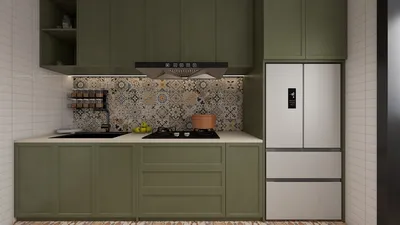


A former client once desired walls that exuded the comfort of a warm sweater, prompting me to experiment with a velvet microtexture, leading to a rather unexpected situation. This minor setback revealed a valuable lesson: smaller spaces can evoke significant creativity. In compact areas, every decision is critical, and utilizing texture is one of the most effective methods to introduce depth while maintaining a spacious feel. To effectively visualize your room, begin with a feature wall and progress from that point.
1. Venetian Plaster for Subtle Luxury
I have a great admiration for Venetian plaster due to its luxurious feel while maintaining a low-key presence in small spaces. It reflects light beautifully and conceals minor wall imperfections, making it particularly beneficial for older residences. However, this option tends to be more expensive and necessitates an experienced applicator, yet the intricate, layered finish is truly unmatched.
save pin
2. Microtexture (Rolled Sand or Fine Grit) for Low-Maintenance Warmth
Microtexture is my preferred choice when clients seek a cozy ambiance paired with ease of upkeep. It is resilient, masks scuffs effectively, and is ideal for children’s spaces or hallways. The trade-off is reduced sheen and a somewhat informal aesthetic, making it less suitable for areas that require a polished appearance.
save pin
3. Strié (Dragged) Finish for Linen-Inspired Elegance
Strié achieves soft vertical or horizontal lines that resemble linen — providing sophistication without being overly ornate. It’s a cost-effective method to introduce depth and complements simple moldings beautifully. Before committing, it’s wise to create a sample strip and quickly sketch a room layout to visualize the texture alongside existing furniture and lighting.
save pin
4. Metallic Washes for Subtle Shine
Applying a metallic glaze over a matte base offers gentle highlights that interact charmingly with light, making it perfect for a statement wall or a powder room. Used judiciously, it can add drama without overwhelming the space; however, overapplication may give a disco vibe. To keep expenses in check, use metallics sparingly alongside matte finishes.
save pin
5. Textured Paint Panels (Brush or Roller Patterns) for Visual Flow
Employing brush or roller patterns to craft panels or bands injects rhythm and a sense of scale into small areas without extending the floor space. I frequently recommend this approach for kitchens or studio apartments as it can mimic bespoke millwork at a fraction of the cost. Before full application, I typically advise clients to design a practical kitchen layout, ensuring we integrate texture in a way that accommodates durability and easy cleaning access.
save pin
Frequently Asked Questions
Q: What’s the easiest textured option for renters?
A: Removable textured wallpaper or peel-and-stick panels provide immediate depth without the hassle of permanent changes. They are more economical compared to custom plaster and cater to renters' needs.
Q: Are textured paints difficult to clean?
A: The cleaning ease varies depending on the depth of the texture. Microtexture is resilient to gentle scrubbing, whereas deep relief finishes can trap dirt requiring more thorough care. Always test-clean a sample prior to making a final decision.
Q: Can texture make a small room seem smaller?
A: Indeed, heavy, dark, or highly contrasted textures can overwhelm a small space. I advise using light shades and subtle texture scales to enhance depth without adding to the visual weight.
Q: How much extra does Venetian plaster cost?
A: Generally, Venetian plaster comes at a higher price due to both material quality and skilled application. It might be wise to use it as a feature rather than applying it throughout an entire home to maintain budget control.
Q: Are textured paints environmentally friendly?
A: Numerous manufacturers now offer low-VOC textured paints; always refer to product labels. For detailed guidance on eco-friendly options, check out Benjamin Moore’s environmental resources (Source: Benjamin Moore, https://www.benjaminmoore.com).
Q: Can I create texture on my own?
A: Basic techniques—like rolled sand or knockdown textures—are workable for DIY projects if you practice on a test surface first. However, for more intricate finishes such as Venetian plaster, hiring an expert is advisable to avoid costly errors.
Q: Which textures are most suitable for humid environments?
A: Smooth, wipeable finishes and moisture-resistant primers work best in bathrooms and kitchens. It’s advisable to steer clear of deeply textured options near sinks or showers, as these areas are prone to mold and grime buildup.
Q: Any quick budget-friendly suggestions?
A: Consider using texture selectively—on an accent wall or ceiling feature—to achieve significant visual impact without overspending. Utilizing paint samples and creating small prototypes can save funds by avoiding the need for extensive room renovations.
save pin
Discover your dream space with Homestyler! This user-friendly online design platform offers a powerful design tool, stunning 3D renderings, and a wealth of inspiring projects and video tutorials. Whether you're a novice or a seasoned designer, Homestyler makes creating beautiful interiors effortless and enjoyable.
立即免费设计
































