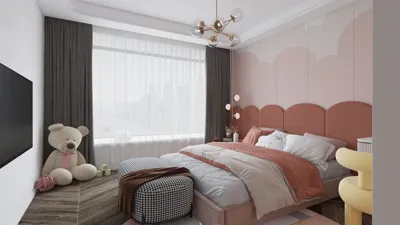


A client once requested that I transform their living room to resemble a sunrise, featuring gradient colors from floor to ceiling with a gold stripe symbolizing the sun. Initially hesitant, I quickly realized that small spaces can benefit from bold and creative choices; a solid plan is essential. For those who prefer to visualize before making a commitment, I often suggest utilizing 3D design tools such as Homestyler to prevent any unexpected costs.
Limited space encourages imaginative solutions, and using paint is one of the most affordable methods to alter a room's atmosphere. Below, I present five wall painting ideas that I've successfully implemented in actual projects, along with my candid observations on their effectiveness and potential pitfalls.
1. Subtle Gradient Feature
An elegant ombré effect stretching from the ceiling to the mid-wall introduces depth while maintaining the room's integrity. This technique works wonders in narrow living areas by creating the illusion of height, though it does demand extra effort as blending requires careful attention. My advice: practice the technique on a poster board and employ a light glaze for smoother gradients.
save pin
2. Striking Geometric Feature Wall
Using bold shapes like triangles, oversized rectangles, or asymmetrical blocks of color can add drama behind a sofa, effectively turning a simple TV wall into a striking design element. The advantages include significant visual impact at a relatively low cost. However, it necessitates meticulous taping and planning; I always advise sketching the pattern on kraft paper first to avoid unintentional mistakes during painting.
save pin
3. Monochrome Texture Variation
Incorporating the same color in two different finishes (like matte and satin) or adding a thin band of Venetian plaster can produce a subtle contrast. This approach feels sophisticated and ensures a peaceful palette, making it ideal for rooms with patterned furniture. To see how the textured wall interacts with the furnishings and overall layout, consider creating a quick layout design in Homestyler.
save pin
4. Two-Tone Height Split
Applying a darker, washable color to the lower third of the wall and a lighter shade to the upper two-thirds is a sensible choice for homes with children or pets, delivering a classic and grounded appearance. Be cautious of color matching at the junction; using a crisp rail or slim molding can ensure a cleaner separation and facilitate easier touch-ups.
save pin
5. Cozy Corner with Deep Color
Select one corner or an inset area and apply a deep, dramatic hue — such as navy, forest green, or charcoal — to cultivate a snug reading nook. This approach is cost-effective as it involves less paint, but be mindful that the bold color can influence the lighting in adjacent areas. If you’re uncertain about specific shades and their effects under natural light, try running an AI-assisted color analysis with tools like Homestyler to quickly explore color combinations.
save pin
Frequently Asked Questions
Q: What is the best paint finish for my living room walls?
A: For living rooms, eggshell or satin finishes are preferred as they provide a good balance between durability and sheen. For ceilings and to disguise wall imperfections, matte works well, but high gloss should be used sparingly, often only on small accents.
Q: What colors can make a small living room appear larger?
A: Light, warm neutrals and pastels reflect more light while visually opening up a space. Cool shades like pale blues also create a sense of depth, enhancing the feeling of spaciousness.
Q: Should I match my ceiling color to the walls?
A: It's typically best to paint ceilings a shade lighter than the walls to enhance perceived height; a matching ceiling might create a cozy vibe but can also make low ceilings feel even shorter.
Q: How many paint swatches should I test on the wall?
A: I recommend testing at least three shades: your initial choice, a lighter one, and a darker alternative. It's important to observe these colors at various times throughout the day before making a final decision.
Q: Are low-VOC paints beneficial?
A: Yes, according to the U.S. Environmental Protection Agency, low-VOC paints release fewer pollutants and are a healthier option for indoor air quality, especially in compact spaces (you can check the EPA guidelines on Volatile Organic Compounds for more information).
Q: What are the best practices for maintaining a painted accent wall?
A: For high-traffic accent walls, choose washable finishes and keep a small repair kit with the original paint on hand. Clean the surface gently with a damp cloth and avoid abrasive scrubbing.
Q: Is it possible to mix wallpaper with painted walls?
A: Definitely — combining wallpaper on a focal wall with complementary paint colors can create a stunning effect. Just ensure that the undertones match and balance the patterns with solid areas.
Q: How much should I allocate for a quality paint job in a medium-sized living room?
A: This can vary by region, but for both paint and professional labor, you should expect a mid-range cost; opting for cheaper paint can lead to higher long-term expenses due to touch-ups and durability concerns.
save pin
Looking to transform your home effortlessly? Homestyler is the ultimate online design platform that empowers you with an easy-to-use design tool, stunning 3D renderings, and a wealth of design projects and DIY video tutorials. Unleash your creativity and bring your dream spaces to life today!
Zaprojektuj teraz za darmo
































