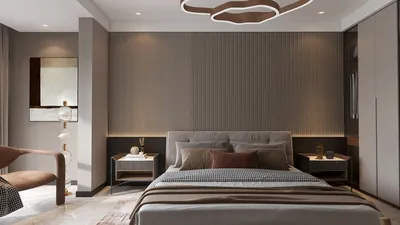


I had a client once who envisioned a life-sized painting of their cat dominating the sole wall in a petite studio space. We both chuckled and ultimately opted for a more practical solution: a scaled-down mural. This experience inspired me to document it as a valuable layout case study for those facing similar design challenges.
Small areas push us to think creatively: walls serve as art displays, storage solutions, mood enhancers, and occasionally even as tricks to give the illusion of more spaciousness. Here, I will share five wall painting ideas that I have implemented in real projects, along with handy tips, considerations, and budget-friendly insights to help you make your decisions.
1. Scale Play: Bold Oversized Mural on a Feature Wall
Choosing to paint one wall with a striking oversized design — whether it's a simple branch, an abstract swirl, or a gentle skyline — can infuse a dramatic essence into the space without overwhelming it. The fantastic benefit is the considerable impact at a relatively low cost; however, be aware that murals require a certain alignment with the existing furniture and lighting.
2. Texture and Tone: Layered Finishes That Resemble Artwork
Incorporating methods like plaster application, rag-rolling, or subtle metallic glazes can transform a flat surface into a textured artwork that interacts with light throughout the day. These techniques can cleverly mask minor imperfections and harmonize magnificently with warm wooden accents, albeit some methods may necessitate professional assistance for a flawless outcome.
save pin
3. Gallery Grid: Merging Painted Frames with Photographic Wall Painting Ideas
Rather than simply hanging conventional frames, consider painting a grid or series of painted 'frames' that can house prints or canvases. This approach keeps small rooms organized while allowing for customizable scale. It's cost-effective for seasonal updates, although achieving an intentional look requires a steady hand and a level.
save pin
4. Trompe-l'œil: Illusionistic Paintings to Enhance Space
Employing trompe-l'œil techniques can deceive the eye into perceiving depth — simulated windows, bookcases, or doorways work remarkably well in condensed spaces. This enchanting effect can be labor-intensive, so it’s best reserved for a single accent wall rather than implemented throughout multiple rooms.
For clients seeking photorealistic visualizations prior to commitment, I frequently showcase examples of 3D visualizations to provide clarity on scale, hue, and lighting.
save pin
5. Accent Stripes & Color Blocking for Height and Width Illusions
Utilizing vertical stripes can elevate ceilings, while horizontal bands can widen long, narrow rooms. Asymmetrical color blocks create playful focal points without needing to repaint the entire area. This technique is convenient for DIY enthusiasts using painter’s tape, although imperfect lines can be a common concern — ultimately, it's important to embrace a slightly handmade aesthetic if hiring a professional isn't in your plans.
As a concluding remark, combining wall painting ideas with thoughtful lighting and one or two sculptural elements can significantly amplify the overall effect. If you're curious about how AI tools like Homestyler can assist in generating color combinations and mockups, I recommend exploring this practical AI design case I’ve integrated into my presentations.
save pin
FAQ
Q1: What are the ideal paint types for ensuring mural durability?
Opt for high-quality acrylic or latex paints crafted for interior use; these options provide longevity while facilitating straightforward touch-ups. For areas prone to moisture, consider formulations that resist mold and mildew.
Q2: Is it permissible to paint murals in a rental space?
Indeed, utilizing removable or low-commitment alternatives is a great option: temporary wallpaper murals, removable vinyl, or painting on large panels that can be taken along when you leave are all viable choices.
Q3: How do I select suitable colors for compact spaces?
Stick to a restricted color palette and incorporate lighter tones to visually expand the area; adding a single accent color can enhance depth without overwhelming the limited space.
Q4: What is a realistic budget for creating a feature wall?
The budget can vary significantly: basic DIY paint effects might start as low as $100, while mid-range professional finishes could range from $500 to $2,000, with intricate murals or trompe-l'œil effects exceeding $3,000 depending on the artist’s time and detail involved.
Q5: How long can a painted wall typically last before needing a refresh?
With adequate preparation and quality paint, a lifespan of 5 to 10 years is standard in typical living conditions; however, high-traffic areas or walls exposed to sunlight may show signs of wear more quickly.
Q6: Are there any safety or VOC issues related to wall painting?
Absolutely — it’s wise to select low-VOC or zero-VOC paints to improve indoor air quality, especially essential in smaller spaces or homes with children and allergies. The U.S. Environmental Protection Agency (EPA) offers guidelines on maintaining indoor air quality and managing paint emissions: https://www.epa.gov.
Q7: Is it possible to blend wall painting ideas with wallpaper?
Certainly — use wallpaper as a panel and paint surrounding walls to accentuate it, or create murals that complement the wallpaper patterns for a unified appearance.
Q8: How can I visualize a wall design before proceeding with painting?
Creating full-scale previews on kraft paper or utilizing digital mockups can aid in assessing scale and color; taking photographs of samples in actual room lighting helps avoid unexpected discrepancies.
Homestyler is an outstanding online platform for home design enthusiasts. Its user-friendly design tool, impressive 3D rendering features, and a wealth of DIY video tutorials empower you to create stunning spaces effortlessly. Transform your vision into reality with Homestyler today!
Design Now for FREE
































