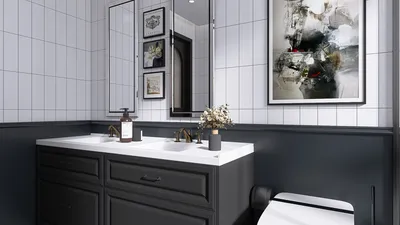


In a past project, a client requested that every wall in their compact dining nook be adorned—whether with frames, plates, or mirrors. I dedicated an entire Saturday to experimenting with various scales and ultimately visualized wall configurations in 3D. This approach prevented us from ending up with a visually overwhelming outcome. It highlighted the fact that designing small areas prompts superior choices rather than compromises.
Small dining spaces can ignite astonishing creativity. Here, I outline five practical yet slightly unconventional wall decor ideas that I frequently employ. These suggestions come with real-world insights from past projects and quick budgetary tips to help you avoid overspending while achieving beautiful designs.
Curated Gallery Wall
I appreciate a gallery wall that feels intentionally designed rather than haphazard. Begin with a standout piece and build around a cohesive mat or frame color to maintain visual harmony. This method offers flexibility, but the challenge lies in resisting the temptation to overcrowd the wall.
save pin
Textured Plaster or Venetian Finish
In smaller spaces, texture can impart a sense of luxury. A subtly textured plaster wall reflects light beautifully and better conceals fingerprints compared to flat paint. While it can be more expensive and requires a skilled applicator, you can achieve a similar effect with paint glazes for a cost-effective trial.
save pin
Painted Panels or Geometric Two-Tone Treatments
Introducing painted panels can provide the elegance of architectural elements without the mess of construction work. I usually sketch out various options and prompt homeowners to create a mock-up of their dining area, allowing us to assess scale and color effectively before committing to paint. This approach guarantees a significant visual impact, despite the challenge of color selection.
save pin
Built-Ins and Display Ledges for Layered Styling
A shallow built-in or display ledge can transform a bare wall into a platform for showcasing ceramics, books, or seasonal decorations. This solution is both practical and visually appealing, though it’s important to maintain an edited arrangement to avoid turning it into a cluttered mess.
save pin
Statement Wallpaper or Mural as Focal Point
Utilizing wallpaper can change a small dining wall into a captivating feature; large-scale floral designs or abstract murals add a thoughtfully curated aspect to the room. If undecided, testing color and texture combinations digitally with tools like Homestyler can be beneficial since altering wallpaper is generally more challenging than swapping out cushions.
Regardless of the wall treatment you select, consider how lighting and sightlines from the kitchen and entryway will interact. Well-lit and well-composed walls can enhance the aesthetics of even the most modest dining spaces, creating a warm and welcoming atmosphere.
save pin
FAQs
Q: What is the best wall color for a small dining room?
A: Generally, lighter and warmer neutrals can make a small dining room feel more expansive. However, a single deep accent wall can introduce an element of drama without constricting the space. Always test paint samples in varying lighting throughout the day.
Q: How high should art be hung above a dining table?
A: The center of the artwork should be positioned approximately 57-60 inches from the floor or keep the bottom edge 6-12 inches above a buffet. Over a table, it’s best to hang it lower—around 30 inches above the tabletop for visual balance (adjusting for ceiling height).
Q: Are peel-and-stick wallpapers durable in dining areas?
A: Contemporary peel-and-stick wallpapers have proven to be surprisingly durable and are also removable, which makes them great for renters. Although they may not last as long as traditional paste-backed wallpapers in high-traffic environments, their installation and removal are significantly simpler.
Q: Can mirrors really make a small dining room look larger?
A: Indeed—mirrors reflect light and enhance sightlines. A large mirror or a well-composed arrangement of mirrors works best; avoid using small mirrors that might unnecessarily fragment the wall into too many sections.
Q: What’s an affordable way to add architectural interest?
A: Simple painted trim, picture-frame molding, or a faux board-and-batten look created with paint can add substantial depth at a minimal cost and without significant disruption. I often undertake these DIY projects over a weekend.
Q: How do I decide between wallpaper and paint?
A: If you're seeking a pattern and instant flair with minimal effort, wallpaper is the way to go; however, paint offers more flexibility and is easier to modify later. Contemplate the permanence of your choice.
Q: Should lighting affect wall treatments?
A: Absolutely—texture and color can appear quite different under warm pendant lighting compared to daylight. I always evaluate samples with the dining light fixtures turned on and off to understand the effects.
Q: Where can I find expert advice on proportions and scale?
A: For standards concerning scale, lighting, and furniture arrangement, organizations like the American Society of Interior Designers offer trustworthy information (visit https://www.asid.org). I frequently reference their resources to help plan proportional layouts.
save pin
Discover the magic of home design with Homestyler! This user-friendly platform offers a powerful online design tool, stunning 3D renderings, and a wealth of inspiring design projects and DIY video tutorials. Transform your ideas into reality effortlessly—perfect for everyone, whether you're a beginner or a seasoned designer!
立即免费设计
































