

During a Victorian restoration project with a client, I faced the challenge of bright neon coral for their porch finials. After testing samples, we discovered a more elegant heritage tone that brought vitality to the house, and I preserved the design in my 3D renders, demonstrating the effectiveness of thoughtful color choices using tools like Homestyler.
Architectural features such as corbels and finials serve as remarkable design elements in even the most budget-conscious projects. These small details can transform the overall aesthetic, often becoming the highlight of the design. Below, I’ll share five creative paint inspirations that I've implemented on period homes, complete with useful tips, practical considerations, and some amusing anecdotes.
Inspiration 1: Return to the Original Color Palette
I enjoy investigating paint analysis or historical photographs to revive the authentic Victorian color scheme. Incorporating historically accurate muted hues or rich trim tones helps corbels and finials appear as if they were always part of the home’s design — this approach enhances resale and heritage value; however, using specialized paints or obtaining conservation advice can be an added expense.
Tip: Always test small areas and photograph them under various lighting conditions before finalizing your decisions; paint can appear different at dawn, noon, and dusk.
save pin
Inspiration 2: Subtle Contrast to Emphasize Detail
Choosing a slightly lighter or darker shade than the main trim can elevate the intricate details. This technique is low-risk and gives the appearance of intentional design rather than drawing excessive attention. The benefit is significant impact for a minimal investment; however, achieving the right contrast for a cohesive look requires careful calibration.
save pin
Inspiration 3: Metallic Accents and Gilded Touches
Incorporating metallic finishes on finials can create a sense of elegance; I once applied a diluted gold leaf to a porch finial, resulting in a richer façade without an overwhelming shine. However, metallics tend to show fingerprints and wear differently, so it’s wise to budget for a protective topcoat and periodic touch-ups.
I often sketch a plan for proportions upfront; this quick drawing turned into my floor plan presentation for an intricate façade where cornice and corbel spacing were crucial.
save pin
Inspiration 4: Distressed Two-Tone for a Lived-in Feel
Apply a base color followed by a different top coat, occasionally sanding the edges to allow the underlying layer to shine through — this technique imparts a sense of age and character rather than neglect. It’s ideal for homeowners seeking personality without the burden of perfection; however, achieving the right degree of distressing can be time-consuming.
Budget tip: opt for a mid-range acrylic primer and use soft abrasive pads to achieve distressing while protecting intricate carvings from damage.
save pin
Inspiration 5: Bold Colors and Small Patterns
For the adventurous, finials or corbels can be painted with a distinctive color or adorned with a subtle stenciled design — akin to jewelry for the house eaves. For instance, I once suggested a deep teal finial on a cream terrace, which became the home's hallmark, despite it raising some eyebrows among neighbors. This is an excellent way to personalize a home without extensive exterior repainting, but ensure the color relates to other features like doors or shutters.
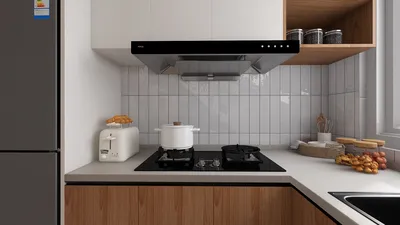
For interior corbels or cabinets, maintain continuity with adjacent rooms — a bold finial in the kitchen can create a cohesive link to nearby tiles or cabinetry, exemplified in this delightful kitchen layout.
save pin
FAQ
Q: What’s the most suitable paint type for exterior Victorian corbels and finials? My recommendation is a high-quality exterior acrylic or microporous paint that maintains breathability; it resists moisture while allowing timber movement without trapping dampness. If working with historic elements, consider consulting a conservator for specialized solutions.
Q: Is metallic paint suitable for outdoor use? Yes, but it should be used sparingly and sealed with a compatible clear topcoat to prevent tarnishing or uneven wear in exposed areas.
Q: How do I select a color that complements the entire house? Begin with three foundational tones — body, trim, and accent — and test paint chips on the actual woodwork in varying daylight. Taking photographs of samples at sunrise and late afternoon effectively demonstrates how colors can shift.
Q: Are there regulations for preserving listed Victorian houses? Often there are; listed status may restrict alterations of color and materials; thus, it’s essential to consult with your local conservation officer before making changes to significant elements. Historic England provides comprehensive guidance on appropriate exterior paints and maintenance for heritage buildings.
Q: What is the typical cost of painting corbels and finials? Pricing varies based on size, quantity, and whether scaffolding or specialized paints are needed; small local jobs can be quite economical, while heritage work involving conservation-grade materials will increase expenses.
Q: Can I stencil or pattern small finials myself? Absolutely — stenciling is a DIY-friendly approach to adding visual interest; just practice on scrap materials and utilize low-tack tape. Keep designs small to respect the original proportions.
Q: What preparation is crucial before painting? Ensuring a clean and stable substrate is key: remove any peeling paint, address rot, and apply primer adequately. Overlooking preparation can lead to poor paint longevity.
Q: How often should I repaint exterior decorative woodwork? Anticipate needing a refresh every 5 to 10 years for exterior decorative features, depending on exposure to the elements and paint quality; sections under shelter will survive longer compared to exposed finials.
save pin
Homestyler is your go-to online platform for home design! With its intuitive design tool, stunning 3D renderings, and a wealth of DIY video tutorials, you can easily create and visualize your dream space. Transform your home today with Homestyler's user-friendly features!
Design Now for FREE
































