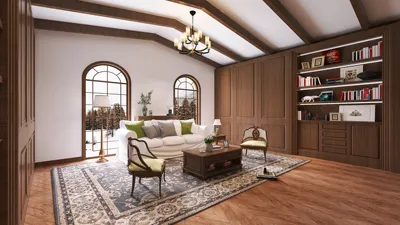


I once had a client who envisioned basil hanging over the stove like a striking chandelier. I agreed after we established a smoke-free cooking rule. Small spaces often push us to think creatively, which is where innovative ideas are born. For a practical example of transforming a cramped corner into a vibrant green feature, take a look at the room layout case study I developed using Homestyler.
1. Slim Living Walls with Self-Watering Features
I am a big fan of slim living walls as they convert a blank vertical space into a stunning garden that doesn’t occupy floor space. The benefits include a striking visual impact and easy incorporation of various textures. The main concern is maintaining irrigation; however, self-watering pockets or simple drip lines can solve that issue for busy homeowners.
save pin
2. Stairs and Risers as Miniature Planters
In one rental property I remodeled, we transformed stair risers into staggered planter niches for succulents and herbs. This quirky approach is both delightful and efficient, utilizing transitional space that would generally go unused. The drawback is occasional watering messes, so I ensure to line the backs and select pots that are friendly to drip watering.
save pin
3. Hanging Pocket Gardens for Balconies
Hanging pockets are ideal for balconies and narrow patios. They are lightweight, modular, and perfect for herbs or trailing vines. To get a better perspective when planning, I often create 3D room layouts in Homestyler to visualize sightlines and sunlight exposure for each pocket. They are cost-effective but need to be shielded from winds in exposed locations.
save pin
4. Trellis Plus Mirrors to Multiply Greenery
A trellis adorned with climbing plants paired with a slender outdoor mirror can create an illusion of lushness in a corridor or balcony. The result is immediate depth and privacy; however, the vines require some training for support. Opt for lightweight trellis systems and choose non-invasive climbers to avoid maintenance hassles.
save pin
5. Modular Herb Strip Above Counters
In compact kitchens, a slim modular herb strip mounted on the wall allows easy access to fresh flavors while enlivening the space. It's perfect for keeping basil within arm's reach. If you're redesigning your kitchen layout, consider integrating this herb strip to prevent watering from damaging cabinets; for layout ideas, see these compact kitchen designs created using Homestyler.
save pin
Tips 1:
Start with a small project: plant a single vertical element first and assess its water and light requirements. Use lightweight pots, and prioritize plants that thrive in your specific light conditions before investing in extensive irrigation systems.
save pin
FAQ
Q1: What is the ideal location for a vertical garden in a small apartment? Select a wall that receives consistent light for your chosen plant varieties — south or west-facing for sun-loving species, and north or shaded corners for foliage plants. Avoid walls close to kitchen sinks or sources of heat.
Q2: Which plants are most suitable for vertical gardens in low-light conditions? Great options for low lighting include pothos, philodendron, ferns, and some herbs such as mint. These plants can tolerate indirect light and rebound well when rotated occasionally.
Q3: How can I water a vertical garden without causing a mess? Utilize self-watering pockets, drip irrigation, or pots with saucers and a waterproof backing to safeguard the wall. Water from the top and let excess drain into a catch tray that you can easily empty.
Q4: Can vertical gardens cause wall damage? They can if moisture isn’t properly managed — always employ a waterproof backing, suspend planters using studs or appropriate anchors, and refrain from letting wet pots make contact with plaster or wooden surfaces. Regular checks will help you avoid long-term damage.
Q5: What is the cost of a small vertical garden? You can create a pocket system for less than $100 using salvaged materials, while custom modular panels and integrated irrigation may push the budget into several hundred dollars. I always recommend starting small so you can expand after your first growing season.
Q6: Are vertical gardens feasible for renters? Absolutely — consider removable solutions like hanging pockets, railing planters, or freestanding leaning structures that don't require any drilling. They can be easily removed, bringing instant charm without causing property damage.
Q7: What maintenance is required for a vertical garden? Expect to check in weekly for light tasks: pruning, deadheading, and topping up moisture levels in reservoirs. Seasonal fertilization and occasional repotting will keep your plants thriving without demanding a substantial time investment.
Q8: Which organizations offer plant selection and care guidelines? For trustworthy, research-backed tips, refer to horticultural experts like the Royal Horticultural Society (RHS), which provides insights on light requirements and plant choices, especially valued for optimizing small spaces. Their resources are fantastic for matching plants to specific conditions created in designs from platforms like Homestyler.
save pin
Homestyler is your go-to online home design platform! With its user-friendly design tool, stunning 3D renderings, and a wealth of DIY video tutorials, bringing your interior design dreams to life has never been easier. Transform your space today with Homestyler!
Desain sekarang Gratis
































