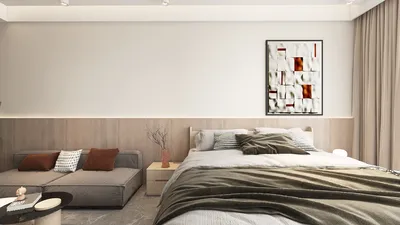


A client once insisted that their two seven-year-olds should not share a bunk bed because one of them snored like a steam engine. After some hesitation, I created a design featuring twin beds positioned sideways, which surprisingly became the family's top choice. Designing for small spaces often compels one to make creative choices, leading to innovative solutions like using 3D visualization techniques to plan a twin bed layout before executing the carpentry work. Incorporating tools like Homestyler can greatly enhance this visualization process.
1. Twin beds on opposite walls (mirror layout)
I find that placing twin beds on opposite walls fosters symmetry and establishes personal zones in narrower rooms. The concept is straightforward: two low-profile beds paired with matching nightstands and a shared rug can unify the space. The advantage of this arrangement is the provision of privacy without the need for walls, though it's crucial to carefully consider the positioning of doors and windows to maintain smooth traffic flow.
save pin
2. Lofted twin with a study area underneath
In scenarios where every inch of floor space counts, lofting one or both twin beds to accommodate a desk or reading nook below is a brilliant solution. This option is particularly appealing for older children who require study spaces. Using prefabricated loft frames can make this cost-effective, but it's essential to meticulously plan for adequate lighting and ladder safety, which I always specify in my designs. Utilizing Homestyler can assist in visualizing these aspects effectively.
save pin
3. Pull-out twin daybed (sleep + lounge)
A pull-out daybed offers the flexibility of daytime seating and transforms into a full-size twin bed at night, making it ideal for rooms that serve as both guest accommodations and media areas. The depth of the mattress plays a crucial role in determining the storage space available under the seating area. I frequently recommend thinner guest mattresses along with storage baskets to balance comfort with practicality. To simplify the decision-making process, I often ask clients to draft a detailed floor plan illustrating the desired furniture arrangement.
save pin
4. Twin beds with built-in storage drawers
Incorporating drawers beneath twin bed frames is an exceptionally efficient solution for storage — linens, toys, and off-season clothes can all have a designated space. However, this arrangement does come with a slightly elevated bed height and the necessity to plan for convenient drawer access. With shallow drawers, daily usage remains straightforward, helping keep the room organized and clutter-free.
save pin
5. Corner L-shaped twins for shared kids' rooms
I frequently suggest an L-shaped configuration when two children need distinct zones within a small, square room. By positioning one bed in a corner at a right angle to the other, a cozy nook is created, enhancing the overall layout. This setup leaves space for a central area dedicated to play or study. It's important to carefully plan for outlet placement and bedside lighting. If you are pursuing a flexible long-term design, I can assist you in creating a multi-functional kids' room that grows with your children, possibly utilizing Homestyler for visual representation.
save pin
FAQ
Q1: What mattress size is best for a small twin room?
The standard twin mattress (38" x 75") is generally the best choice for compact rooms. A twin XL (38" x 80") might be a consideration only if height is a priority and there's enough space for the additional 5".
Q2: Are bunk beds more space-efficient than two twin beds?
While bunk beds do save floor space, they can reduce flexibility and might feel constrictive to some children. I recommend bunk beds when floor space is extremely limited, ensuring safety considerations regarding ladders and headroom are addressed.
Q3: How much space do I need around twin beds?
It's advisable to maintain at least 24" of circulation space on the main side of the bed for comfortable movement; 30" is optimal near dressers or desks. Additionally, clearances will be influenced by door swings and window placements.
Q4: Is storage under a twin bed feasible?
Absolutely — incorporating drawers or pull-out bins is one of the most effective solutions for small rooms. Just ensure that the mattress height aligns with drawer clearance requirements before selecting a frame.
Q5: Can two twins fit comfortably in a room smaller than 10' x 10'?
Definitely, with strategic layout considerations such as placing the beds on opposite walls, utilizing an L-shaped configuration, or opting for a lofted design, you can successfully fit two twin beds even in a 10' x 10' space. I often sketch various options to quickly compare the benefits of each layout.
Q6: Are loft beds safe for younger children?
Most manufacturers suggest that lofts and bunk beds are appropriate for kids aged 6 and older. Always adhere to guidelines regarding guardrails and ladder safety. Secure installation and regular maintenance checks are critical for ensuring safety.
Q7: Is there official guidance on bunk bed safety?
Indeed, the U.S. Consumer Product Safety Commission offers comprehensive recommendations regarding bunk bed and ladder safety, including age limitations and necessary guardrail specifications (refer to https://www.cpsc.gov/Safety-Education/Safety-Education-Centers/Bunk-Beds).
Q8: How do I decide between two twin beds and a sofa bed?
For rooms that also serve as adult guest areas, a high-quality sofa bed might provide superior comfort without necessitating permanent layouts. Conversely, two twin beds offer better sleep ergonomics and storage solutions for everyday sleeping arrangements.
save pin
Homestyler is your go-to online home design platform! With its user-friendly design tool, stunning 3D renderings, and a wealth of DIY video tutorials, transforming your space has never been easier. Dive into your creative projects today and see your dream home come to life!
Design Now for FREE
































