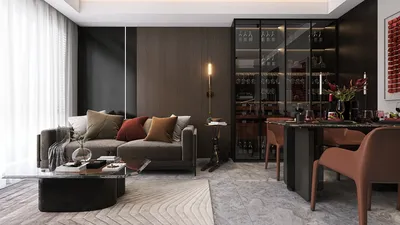


I distinctly remember a client who preferred their toaster oven to be in plain view from the couch, allowing them to enjoy the sight of their toast browning while watching Netflix. I indulged their request, gaining valuable insights on sightlines, and now always integrate visibility with ventilation in my designs. When fitting a toaster oven into a compact kitchen, these subtle trade-offs can yield significant creative solutions. I'll share effective tips and an impressive layout idea for a toaster oven I implemented during a recent renovation that aligns well with the Homestyler tool.
In small spaces, every decision counts: prioritize accessibility, ensure safety, and maximize utility of every square inch. Here are five practical inspirations I've successfully applied in real projects, each accompanied by quick benefits, potential challenges, and budget-friendly advice.
1. Minimalist Countertop Approach: Select the Right Capacity
Opt for a slim toaster oven that meets your actual needs; I often suggest models that can accommodate a 9x13 pan for families or a compact two-shelf version for singles. The advantage is easy access without installation costs, but the downside can be the loss of precious countertop space—so measure carefully and consider storing it in a lower cabinet when it's not in use.
save pin
2. Floating Shelf Set-Up: Utilize Wall Space
Installing a sturdy floating shelf above a short countertop can transform an otherwise unused wall into a dedicated space for your toaster oven—especially useful when floor space is limited. This elevates the appliance, preserves your prep area, and creates a well-styled look. However, ensure you maintain a 3–4 inch clearance and provide proper airflow to prevent overheating.
save pin
3. Built-in Niche: Create a Seamless Look
During a kitchen update, consider carving out a recess in your existing cabinetry specifically designed for your toaster oven. It projects a custom appearance and keeps countertops tidy. I often incorporate a removable shelf and a ventilation gap—both aesthetically pleasing and functional, but remember that any niche requires heat clearance and easy access to power outlets, so plan your electrical layout early using tools like the Homestyler for effective planning.
save pin
4. Multi-functional Appliance Station: Combine with Coffee Prep
Integrate your toaster oven with a coffee station within the same compact nook, allowing both appliances to coexist while keeping the rest of the kitchen orderly. This setup is not only efficient but also harmonizes daily routines. Just be mindful of crumbs and cord management; a simple mat or a shallow drawer below the station can facilitate quick clean-up.
save pin
5. Portable Cart: Versatile, Economical, and Functional
A slim cart on wheels is my top recommendation for renters: store the toaster oven on the middle shelf, roll it out for use, and tuck it away to clear counter space. It's cost-effective and adaptable, but don't forget to check for wheel locks and cable length; I often utilize quick mockups from Homestyler to help clients visualize clearance and workflow.
When it comes to safety, always leave 2–4 inches of clearance around your oven, use heat-resistant materials for any surface behind it, and keep a small fire extinguisher or CO detector nearby if your local codes advise it. On a budget, floating shelves and carts are the most economical solutions; while niches may cost more initially, they can enhance resale value.
save pin
FAQ
Q1: Which toaster oven size is ideal for small kitchens?
A: Select the smallest model that accommodates your commonly cooked dishes—usually a 2-slice or compact 9x13-capable oven. Take measurements of your most-used pans first and ensure proper ventilation clearance.
Q2: Is placing a toaster oven on a wooden shelf safe?
A: Yes, provided the shelf material can withstand heat, you maintain adequate clearance, and you avoid enclosing the oven. Consider using a heat mat or non-combustible surface beneath the unit for added safety.
Q3: How much clearance is necessary for a toaster oven?
A: Manufacturers typically recommend 3-4 inches of clearance on the sides and top; always refer to your unit's user manual to prevent overheating.
Q4: Can I hardwire a toaster oven to save counter space?
A: Hardwiring is an option but often unnecessary; it needs an electrician and compliance with local codes. In many small kitchens, relocating an outlet or adding a dedicated circuit is a safer, code-abiding choice.
Q5: What's the most energy-efficient method to use a toaster oven?
A: When preparing small batches, toaster ovens typically consume less energy than their full-size counterparts. According to the U.S. Department of Energy, smaller appliances can be more efficient as they require heating a lesser volume (energy.gov).
Q6: Do you have any tips for ventilation in tiny kitchens?
A: Utilize nearby windows, range hoods, or portable fans to enhance airflow during baking. Avoid enclosing the toaster oven in a sealed cupboard unless there's dedicated ventilation.
Q7: Are there toaster ovens specifically designed for apartments?
A: Definitely—manufacturers offer compact, low-watt models tailored for apartment living; be sure to check for energy ratings and features like auto-shutoff and cool-touch surfaces for safer use in small spaces.
Q8: Where should I place my toaster oven if I have young children?
A: Position it away from high-traffic and easily reachable areas—consider a higher shelf paired with child locks on lower drawers or a locked cart to minimize the risk of accidental burns.
save pin
Discover your interior design potential with Homestyler! This user-friendly online platform offers an intuitive design tool, stunning 3D renderings, and a wealth of inspiring design projects and DIY video tutorials. Create your dream space effortlessly and let your creativity shine!
Design Now for FREE
































