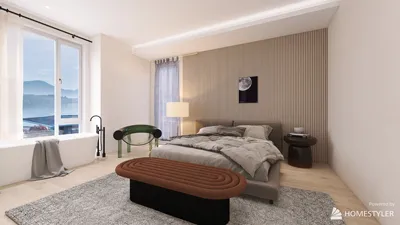


A client once approached me with a unique challenge: they wanted to fit a full-sized piano into their 200 sq ft tiny home kit. I accepted the challenge and discreetly reimagined the loft space. Designing for small areas compels you to think creatively, make compromises, and often double-check your measurements. If you’re contemplating a DIY tiny home kit and envisioning grand ideas, these innovative layout solutions, which I implemented for both my clients and myself, can help transform awkward corners into charming nooks.
1. Versatile Wall Systems
I have a passion for versatile wall systems because they allow you to reconfigure a space without major renovations. Features like storage panels, fold-down tables, and integrated lighting create a flexible environment within a limited footprint. However, this requires an investment in planning to skillfully conceal seams and may come at a higher initial cost.
save pin
2. Loft Living with Ingenious Stairs
Lofts can significantly increase usable space, and I’ve discovered that stairs with built-in storage are far more comfortable than ladders for daily access. Be mindful of clearance and ventilation; it’s essential to plan for headroom and a roof vent before making any alterations to beams.
save pin
3. Kitchen as the Multifunctional Hub
In tiny home kits, the kitchen often doubles as a workspace or guest area. I emphasize multifunctional surfaces and vertical storage solutions. By zoning the kitchen, cooking, cleaning, and preparation tasks can be kept distinct, though this might make appliances appear smaller. It’s best to invest in high-quality compact appliances to ensure satisfaction.
save pin
4. Foldable Furniture with a Permanent Feel
When well-designed, wall beds or fold-down tables can blend seamlessly into the environment, allowing the space to feel more open. One project I undertook involved creating a dining nook that folded into the wall, transforming into a workbench. The key is to prioritize hardware durability—investing in reliable hinges and counterbalancing systems is crucial.
save pin
5. Expanding Outdoor Spaces and Smooth Transitions
Bringing the outdoors into your living space is an affordable way to enhance square footage. Features like retractable doors, covered decks, or expandable awnings can create a perception of greater space. However, challenges such as weatherproofing and privacy often arise. The benefit is enjoying more natural light and accommodating guests without needing to remodel the interior—something I consistently model using Homestyler for realistic 3D walkthroughs before finalizing the designs.
save pin
Frequently Asked Questions
Q1: What constitutes a DIY tiny home kit?
A1: A DIY tiny home kit includes pre-cut components, plans, and sometimes tools necessary to build a compact living space yourself. These kits range from bare shells to nearly finished structures, so it’s important to review what’s included before purchasing.
Q2: What’s the typical cost of a DIY tiny home kit?
A2: Basic kits can start below $10,000 for shells, while more comprehensive kits equipped with insulation and finishes usually range from $20,000 to $60,000. Additional costs for labor, permits, and utilities should also be considered.
Q3: How long does it take to put one together?
A3: Depending on the complexity and the number of people involved, building a basic kit can take a few weekends, while a comprehensive tiny home may require several months. Previous building experience can significantly expedite the process.
Q4: Are permits necessary for a tiny home kit?
A4: Generally, yes—local zoning laws and building codes dictate whether permits are needed. Consulting the International Residential Code (IRC) and your local building department will provide specific requirements.
Q5: What materials are best suited for tiny kits?
A5: Commonly, lightweight and durable materials such as structural insulated panels (SIPs), treated timber, and aluminum framing are preferred. Each material comes with its own pros and cons in terms of cost, insulation effectiveness, and durability.
Q6: How should utilities be managed in a tiny kit?
A6: It’s crucial to plan plumbing, electrical, and HVAC systems in advance. Options vary from tiny-scale heat pumps to tankless water heaters and composting toilets, depending on local regulations and accessibility.
Q7: Is it easy to customize a kit design?
A7: Most manufacturers provide options for modular customization; however, significant structural alterations need careful evaluation. I suggest visualizing any major changes to scale before ordering unique components.
Q8: Are tiny homes a wise investment?
A8: They can be advantageous, especially for short-term rentals or downsizing, but resale value is influenced by factors like zoning laws, construction quality, and demand. Consider a tiny kit as much a lifestyle choice as a financial asset.
save pin
Discover your dream home with Homestyler! This online design platform offers a user-friendly design tool, stunning 3D renderings, and a wealth of inspiring design projects. Plus, you can learn through engaging DIY video tutorials. Transform your ideas into reality effortlessly!
立即免费设计
































