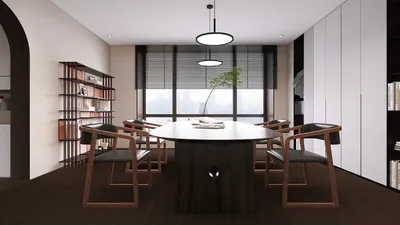


A couple of years ago, a client requested that I design their kitchen and living room to embody a unified aesthetic without any dividing walls, aiming for a cohesive flow. Initially, I assumed this would be straightforward, but I accidentally coordinated the backsplash with the fabric of the living room sofa, resulting in a look that resembled the entire house wearing matching outfits! This experience taught me that while small spaces can inspire immense creativity, they also require a careful balance and contrast. Today, I’m excited to share five creative strategies I've personally applied to seamlessly blend kitchen and living room designs without them appearing as mere duplicates of each other.
Idea 1: Open Concept with Defined Areas
Eliminating walls embraces openness but can compromise functionality. I often utilize area rugs or different ceiling light fixtures to delineate spaces, maintaining a harmonious link between the kitchen and the living room. For instance, once I chose a vibrant rug paired with understated kitchen cabinetry; it effectively divided the areas without shouting "separation." If you're sketching out your layout, tools like the Homestyler room planner can help you visualize the envisioned atmosphere.
save pin
Idea 2: Unified Color Scheme with Diverse Textures
Aligning colors throughout the spaces enhances the perception of size, and varying textures introduce character. I frequently combine matte wooden shelves in the kitchen with a plush velvet sofa in the living area—creating a sense of unity that still feels inviting. Just remember to consider maintenance; velvet can become a challenge if cooking frequently or if you have pets traversing the spaces.
save pin
Idea 3: Versatile Furniture Solutions
Furniture that serves multiple purposes is invaluable in compact homes. For example, a kitchen island that functions as a dining table or even a workspace can be a game-changer. In one project, I installed a rolling cart that provided snacks during gatherings and offered additional storage in quieter times. To maximize the use of these multifunctional pieces, visualizing layouts with Homestyler can help prevent undesirable traffic flow.
save pin
Idea 4: Layering Lighting Intelligently
Kitchens and living areas have unique lighting needs—task lighting for culinary activities and ambient lighting for relaxation. Merging these spaces entails carefully layering lighting solutions. I recall a project where pendant lights were suspended over the kitchen island, complemented by dimmable sconces in the lounging area—this arrangement allowed for effortless mood transitions without requiring extensive electrical work each time.
save pin
Idea 5: A Bold Statement Wall as a Visual Focal Point
Creating a shared focal point can harmonize both areas effectively—imagine a striking tile wall in the kitchen that extends into the living room. The key lies in ensuring the design is impactful yet not overpowering. In a previous design, large geometric tiles instilled a contemporary vibrancy in a loft space. Utilizing an online tool like the Homestyler kitchen layout planner can help you preview the potential impact before making a commitment.
save pin
FAQ
1. What are some effective ways to blend my kitchen and living room?
To achieve a seamless look, maintain a consistent color palette between the two areas, and define transition points subtly using rugs or variations in lighting.
2. What flooring options work best for combined kitchen and living spaces?
Durable and easy-to-clean materials like engineered wood or high-quality vinyl are excellent choices; ensure you balance aesthetics with practicality.
3. Is it possible to use different styles for my kitchen and living room?
Yes, differing themes can work, but it's crucial to incorporate a common element—such as a color, material, or recurring motif—to maintain visual harmony.
4. Is an open layout always the best choice?
Not necessarily; while open layouts enhance connectivity, they can also lead to increased noise levels and the spread of cooking smells.
5. What’s an economical method to connect these spaces?
Reusing decor elements, opting for multifunctional furniture, and refreshing paint colors are budget-friendly strategies to create unity between areas.
6. How does lighting affect interconnected spaces?
Incorporating layered lighting allows for easy shifts in ambiance—using task lighting for cooking and warming ambient lights for relaxation.
7. Are there safety issues to consider with open kitchens?
Yes, it’s essential to install adequate ventilation and keep any flammable materials away from cooking zones.
8. Where can I visualize my integrated layout?
Consider using online layout tools like Homestyler to preview configurations and flow before rearranging furniture or making significant changes.
Discover Homestyler, the ultimate online home design platform! With an intuitive design tool, stunning 3D renderings, and a variety of inspiring DIY video tutorials, you can effortlessly transform your space. Whether you're a beginner or an expert, Homestyler makes home design fun and accessible for everyone!
تصميم الآن مجانا
































