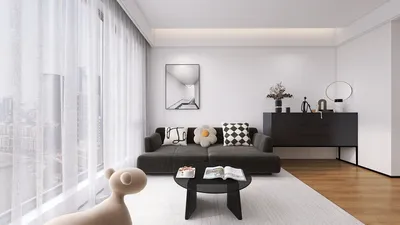


I once worked with a teenage client who was adamant that her bed should align with the window for optimal "cosmic vibes." We reached a middle ground by utilizing tools to quickly create different room layouts first, a handy approach that significantly reduced our hours of trial and error.
Compact spaces can ignite spectacular creativity. Here are five proven strategies I apply on limited budgets and in tighter areas to help teenage rooms feel spacious, personalized, and adaptable.
1. Elevate the bed — literally
Lofting the bed or opting for a platform that incorporates storage instantly frees up floor area for a desk, a cozy lounge corner, or additional storage options. While this option creates a dramatic increase in floor space, it may require a bit more effort and investment. Nevertheless, many teens adore the snug atmosphere it provides.
save pin
2. Layer lighting for mood and tasks
Instead of relying on a solitary overhead light, consider a combination: warm string lights for ambience, a focused desk lamp for study sessions, and a wall sconce by the bed for reading. This mix is both cost-effective and quick, transforming the overall vibe of the room. Just be cautious with outlet positioning to prevent visual clutter from cords.
save pin
3. Create zones with rugs and multifunctional furniture
In a compact bedroom, a well-placed rug and a narrow shelving unit can carve out distinct study and relaxation areas, all without any walls. To ensure your setup is effective, I often recommend families use 3D visualization techniques to help follow the teen's plan before purchasing larger pieces. This practice minimizes returns or regret. The catch is selecting furniture that prioritizes scale rather than style alone.
save pin
4. Personalize decor that can be easily changed
Incorporate removable wallpaper, framed posters, and pegboards, allowing the teen to refresh their style without undergoing a full renovation. This method keeps expenditures in check and encourages ownership of their space; just ensure that the base paint and surfaces are prepared adequately for easy removal of these items.
save pin
5. Smart storage solutions and built-ins for lasting function
When finances allow, consider installing shallow built-ins around windows or a custom desk paired with shelves to make the most of every inch. If carpentry isn’t an option, modular units can be a suitable alternative. To experiment with various layouts, tools like Homestyler can provide AI-generated design options for quick exploration. While built-ins offer exceptional resale value and organization, they do represent a more permanent choice.
save pin
FAQ
Q: What’s the ideal bed type for a compact teen room?
A: Generally, a loft or storage bed is preferable because it frees up floor space. Be sure to select a size that accommodates the room's flow and allows at least 60–75 cm of walking space around key furniture.
Q: How can a teen make their room personal without damaging walls?
A: Options such as removable wallpaper, command strips for frames, and washi tape for posters are excellent choices. These renter-friendly solutions empower teens to explore their style.
Q: What's the best way to include a study area in a small bedroom?
A: Wall-mounted desks, compact tables, or fold-down options are ideal. Place the desk near windows for natural light and include task lighting for late-night studying.
Q: Are striking patterns suitable for small rooms?
A: Absolutely — as long as they are used judiciously. An accent wall, a statement rug, or bold bedding can add character without overwhelming the space. Balance such elements with neutral tones.
Q: What are the best storage hacks for teens?
A: Utilizing vertical storage, under-bed drawers, and organizers that hang over doors can be lifesavers. Encourage multifunctional furniture pieces so each item can serve multiple purposes.
Q: How much should I set aside for a small-room refresh?
A: For a basic refresh that includes paint, new bedding, and lighting, plan for a modest budget. However, for built-in or customized pieces, expenses will increase. I always suggest focusing on elements that significantly impact daily life — such as storage, lighting, and a high-quality mattress.
Q: When should the teen be included in design decisions?
A: From the very beginning. Getting their input on color schemes, layouts, and storage needs prevents unnecessary purchases and fosters a sense of ownership. Even small details like hardware finishes can make a difference in their connection to the space.
Q: Do design guidelines suggest sleep-friendly room arrangements?
A: Yes — the National Sleep Foundation recommends maintaining a cool, dark, and screen-free sleep environment for improved rest (refer to sleepfoundation.org for comprehensive guidelines). Creating a tranquil and uncluttered area around the bed aligns with this advice.
save pin
Looking to transform your space? Homestyler is your go-to online home design platform! With its user-friendly design tool, stunning 3D renderings, and a wealth of DIY video tutorials, you can effortlessly plan and visualize your dream home—perfect for both beginners and seasoned designers alike!
지금 무료로 디자인하세요
































