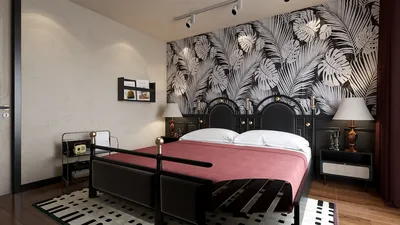


One of my past clients wanted to completely "break away" from their old lifestyle by repainting their small apartment overnight. To my surprise, they requested each wall to be a different color! That experience made me realize that fresh paint is one of the quickest ways to signify a new beginning, especially in compact areas where a single brushstroke can lead to significant change. For tight spaces, there are numerous creative possibilities, which is why I like to start most projects with a small-space sketch to play with ideas before making a final decision. In this article, I’ll present five paint-inspired techniques I turn to when space is limited and the stakes are elevated, incorporating the versatility of tools like Homestyler.
1. Opt for a Monochrome Palette — Enhance with Texture
Employing a single color family throughout a studio can create an illusion of spaciousness; it promotes calmness and purposeful movement. The key lies in texture: pair matte walls with satin finishes, textured surfaces, or a woven headboard to ensure the room doesn’t appear monotonous. This approach is budget-friendly and quick, but if you skip on testing samples, the color may look different under various lighting conditions.
save pin
2. Create a Vertical "Room Divider" Band with Paint
Rather than constructing physical barriers, you can simply paint a vertical band from floor to ceiling to define areas — such as between the entrance and the living area or between the bed and workspace. I applied this technique in a client's micro-apartment to delineate a sleeping nook; the painted band successfully separated the areas without sacrificing floor space. It’s a low-cost, reversible option, though it demands careful taping and a steady hand for a polished look.
save pin
3. Use Color Strategically to Redefine Kitchen Flow
In open-concept small homes, I frequently paint the kitchen area in a slightly different shade for cabinets or the back wall to indicate its distinct purpose without erecting walls. This subtle variation in color can improve traffic flow and make a cramped kitchen feel well-organized rather than chaotic; I often reference a smart kitchen zoning case I learned about. The downside includes wear and tear, so prioritize durable, washable finishes suitable for kitchen environments.
save pin
4. Consider a Dark Ceiling for Enhanced Depth
Many shy away from dark ceilings in small spaces, but a rich color can lend a cocooning, dramatic vibe that feels luxurious. I once painted a charcoal ceiling in a small reading nook, creating a cozy den-like atmosphere; it paired wonderfully with layered lighting. However, be mindful that ceilings can be tricky, so it’s wise to test paint samples and observe how artificial light interacts with the chosen color.
save pin
5. Combine Murals and Temporary Art for Unique Character
Implementing hand-painted designs or peel-and-stick mural panels allows clients to express significant life changes without long-term commitments — making it perfect for renters or those who often change their minds (like myself). I once applied a simple geometric mural behind a bed to help a couple move on from a past chapter; it revitalized the space for minimal cost. This method is highly personal and striking, but it’s essential to ensure that the scale and proportions are appropriate, or else it might dominate a small room; if unsure, use a tool like Homestyler to visualize the design in 3D before applying the first stroke.
To sum it up: paint is one of the easiest and most forgiving ways to reinvent a home’s narrative. While it has its limitations — including durability, preparation, and the occasional client who goes too bold — it remains my favorite method for marking significant life changes. If you’re hesitant, start with something small: experiment with a colored band, a ceiling, or an accent wall and live with your choice for a month to see how it feels.
save pin
FAQ
Q1: Can painting really make a small room appear larger?
Absolutely! I’ve witnessed it repeatedly: using consistent light tones, contrasts, and strategic accents effectively expands visual space. Be sure to test samples in varying light throughout the day to gauge their impact accurately.
Q2: What paint finish is recommended for small kitchens?
Select satin or semi-gloss finishes for cabinets and backsplash areas as they are easier to maintain and resistant to stains. Flat finishes are suitable for low-traffic walls but can pose cleaning challenges.
Q3: How much should I expect to invest in a feature band or accent wall?
For materials and professional-level preparation, budget a few hundred dollars for a small accent; notably higher if you engage an artist for a mural. Opting for DIY can lower labor costs, but ensure you allow ample time for proper priming and taping.
Q4: Are dark ceilings genuinely acceptable in compact rooms?
Certainly — when balanced against lighter walls and adequate lighting, dark ceilings can enhance depth and create intimacy. Test a small sample area first to assess how it affects the ambiance during the evening hours.
Q5: How can I choose low-odor, safer paint?
Look for paints labeled as low-VOC or zero-VOC and examine the product data sheet for VOC levels. The U.S. Environmental Protection Agency recommends low-VOC paints to reduce indoor air pollution and improve overall air quality.
Q6: Are these techniques suitable for renters?
Definitely! Options like removable wallpapers, peel-and-stick murals, and temporary accent panels are excellent renter-friendly choices that can make a significant impact while complying with leasing agreements. Always do patch tests on adhesives and keep the original paint for any touch-ups when moving out.
Q7: How long does it take for a newly painted room to feel "finished"?
With primer and two coats, most small rooms can technically be completed in a weekend, but living with the color for a few weeks assists in deciding about trim or adjustments. Patience with lighting and accessories truly makes a difference.
Q8: When is it advisable to hire a professional?
If you’re undertaking a complex mural, repainting after water damage, or require color consultations for tricky lighting, it’s wise to hire a professional — this can save both time and money in necessary revisions. A designer can provide visual mockups to ascertain how a color looks before you decide to go ahead.
save pin
Homestyler is your go-to online home design platform! With its user-friendly design tool, stunning 3D renderings, and a plethora of inspiring design projects and DIY video tutorials, you can effortlessly create and visualize your dream space. Start decorating today!
Design Now for FREE
































